Wind Energy Producing States in India
India’s wind sector is a cornerstone of the country’s renewable-energy transition. Wind farms dotted across several states supply large volumes of clean electricity to the grid, provide local economic benefits and underpin renewable capacity additions.
This article maps the geography of wind power production in India, explains why some states lead, identifies key industry players and discusses how this distribution shapes markets, policy and future growth opportunities.
Regional leaders and why they dominate
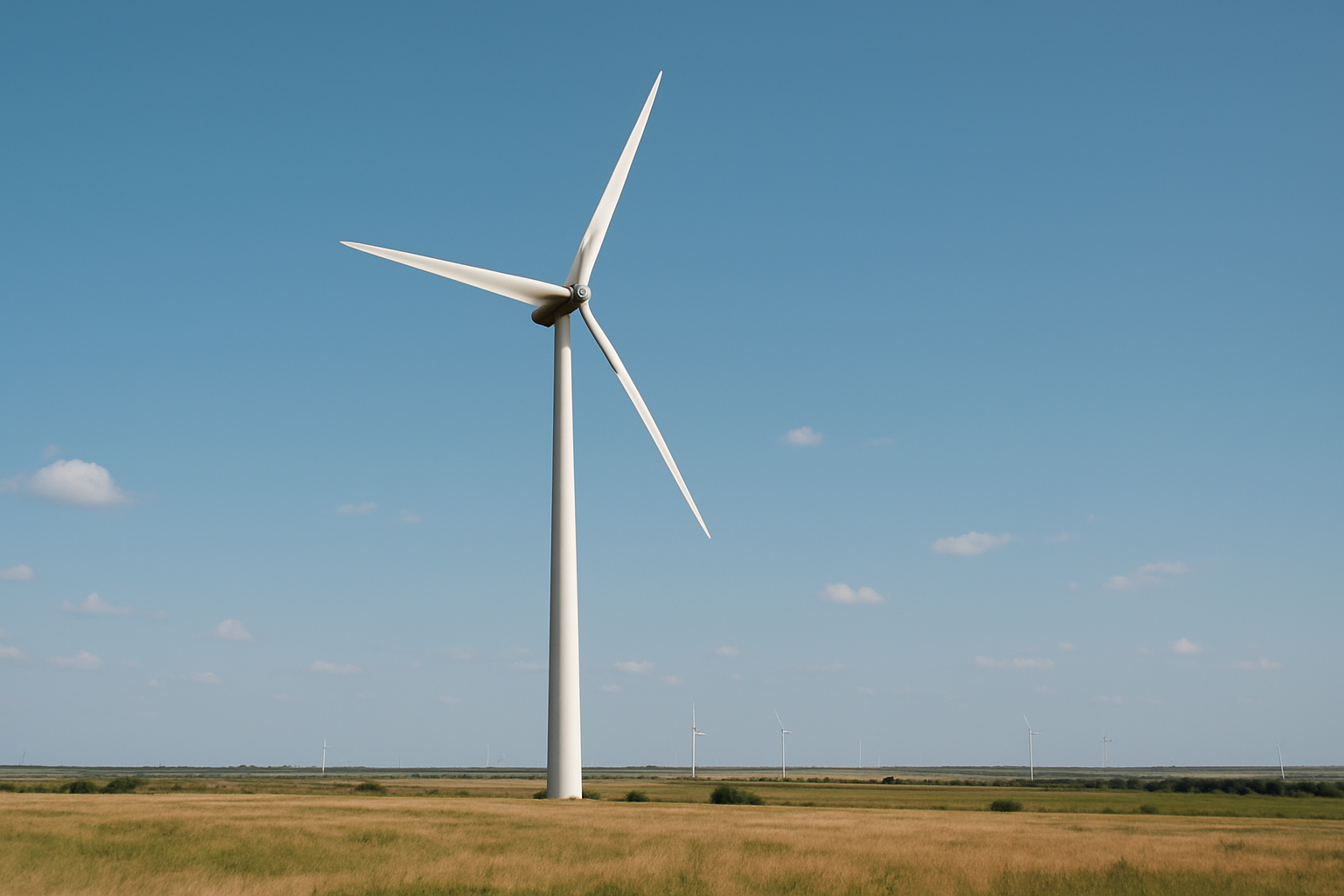
Wind energy production in India is concentrated in a handful of states that combine strong wind resources with supportive policy frameworks, suitable land and established developer presence. Prominent producing states include Tamil Nadu, Gujarat, Maharashtra, Karnataka, Rajasthan and Andhra Pradesh.
Why Tamil Nadu, Gujarat and others lead
These states share several advantages that have made them wind-power hubs:
- Geography and wind resource: Long coastlines, elevated ridges and open plains create consistently high wind speeds ideal for utility-scale turbines.
- Early policy support: State-level procurement programs, feed-in arrangements and clearer land-acquisition processes accelerated project development in the early phases of India’s wind build-out.
- Developer ecosystems and supply chains: Local manufacturing, tower and blade suppliers alongside experienced developers and operators lowered project risk and costs.
- Grid connection infrastructure: States that invested in evacuation and substation capacity reduced curtailment and expedited commissioning of new projects.
Notable locations
Within these leading states, specific clusters stand out. Tamil Nadu’s southern districts host some of the country’s largest onshore clusters, while coastal belts in Gujarat and the western states have attracted major projects because of sustained seasonal wind flows.
Who the key industry players are
India’s wind market is served by a mix of domestic and multinational manufacturers and developers. Long-established Indian turbine makers and developers have co-existed with global OEMs, independent power producers and renewables-focused corporates.
Major manufacturers and developers active in India’s wind sector include (but are not limited to) Suzlon, Vestas, Siemens Gamesa, GE Renewable Energy and prominent independent power producers and renewables groups. These companies have supplied turbines, executed large-scale projects and entered long-term operation-and-maintenance arrangements across multiple states.
How corporate activity shapes state-level outcomes
Where developers and OEMs make targeted investments, local supply chains and project pipelines tend to strengthen. Large-scale developers can also mobilise financing, manage power-purchase agreements and coordinate with state utilities—factors critical to sustained growth in wind-producing states.
Industry and market impact
Concentration of wind generation in several states has broad implications for the electricity market, grid operation and the renewables industry.
- Grid integration and flexibility: High wind shares in certain states increase the need for flexible balancing resources, better forecasting and stronger interstate transmission to move power where demand exists.
- Investment patterns: Developers often target states with proven resource profiles and predictable permitting regimes, which reinforces regional leadership and draws manufacturing capacity nearby.
- Economic and social benefits: Wind projects create employment in construction, operations and local maintenance, and generate land-lease revenues for rural communities.
- Policy signals: State-level targets, tariffs and procurement processes influence where future wind investments flow, shaping the national distribution of wind capacity.
Future outlook: growth drivers and challenges
India’s wind sector faces both near-term and strategic opportunities. Continued onshore capacity additions remain feasible where sites, transmission and policy align. Simultaneously, offshore wind is emerging as a major potential growth area—particularly along long, windy coastlines—subject to port, manufacturing and financing developments.
Key enablers for future growth include improved grid planning, enhanced forecasting and storage deployment to manage variability, streamlined land and permitting processes, and mobilisation of domestic manufacturing for turbine components.
What could change the state rankings?
Massive investments in transmission corridors, targeted offshore development and state-level incentives could shift where new capacity is added. States that invest proactively in ports, grid evacuation and developer-friendly policy frameworks are likely to capture the next wave of wind investment.
Key Highlights
- Wind power in India is concentrated in a small group of states with strong wind resources and early policy support.
- Tamil Nadu, Gujarat, Maharashtra, Karnataka, Rajasthan and Andhra Pradesh are among the leading producing states.
- Major turbine manufacturers and developers—both domestic and international—have established supply chains and project portfolios across these states.
- State-level infrastructure and policy choices significantly influence where developers deploy new projects.
- Grid integration, forecasting and storage are central to managing higher shares of wind energy.
- Offshore wind represents a strategic future opportunity for coastal states, contingent on infrastructure and policy alignment.
- Local economic benefits include jobs, land-lease income and regional industrial development tied to turbine manufacturing and supply chains.
Frequently Asked Questions
Which Indian states produce the most wind energy?
States that dominate wind energy production include Tamil Nadu, Gujarat, Maharashtra, Karnataka, Rajasthan and Andhra Pradesh—driven by wind resources, policy frameworks and developer activity.
Why is Tamil Nadu often cited as a wind leader?
Tamil Nadu benefits from strong coastal and ridge-line winds, early policy incentives, and large onshore wind clusters that together created an attractive environment for developers and OEMs.
Who are the major companies in India’s wind sector?
Leading players include long-standing Indian turbine manufacturers and global OEMs, as well as independent power producers and renewables groups that develop, finance and operate projects.
How does wind concentration affect the grid?
Concentrated wind generation increases the need for forecasting, flexible balancing resources, and interstate transmission to move power from surplus regions to demand centers.
Is offshore wind likely to change the map of wind-producing states?
Yes. Offshore wind could shift new capacity to states with suitable coastal zones and port infrastructure, provided there is investment in manufacturing, installation vessels and transmission corridors.
What are the main barriers to faster wind deployment in India?
Key barriers include land and permitting complexities, grid constraints, financing challenges for large projects, and the need for enhanced local manufacturing and port infrastructure for offshore development.