According to reporting by The Wall Street Journal, an energy startup has raised $750 million to advance so-called rust-powered batteries. The funding targets the commercialization of iron-based storage systems intended for long-duration grid applications.
Overview
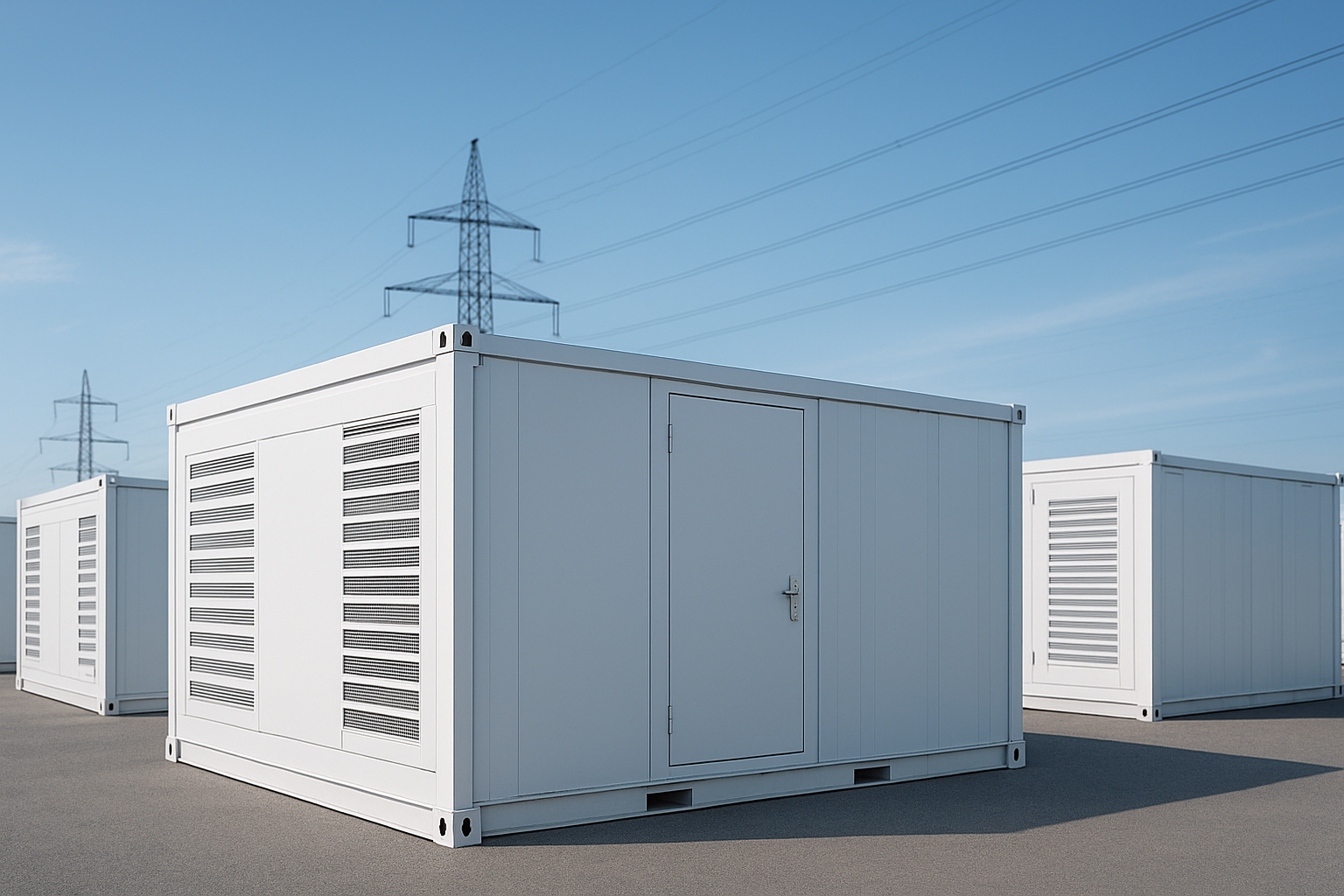
Rust-powered batteries, commonly described as iron-based or iron-air systems, rely on the reversible oxidation and reduction of iron to store and release electricity. The approach uses abundant materials, potentially lowering raw material costs compared with lithium-ion chemistries.
The recent capital infusion aims to accelerate pilot projects, scale manufacturing and refine cell and system designs. Details about the specific company or investor roster were reported by the Wall Street Journal; public disclosures from the company itself are limited.
Why This News Matters
A large private financing round for iron-based storage sends a market signal that investors seek alternatives to lithium-ion for multi-hour and multi-day energy storage. As power systems integrate higher shares of variable renewables, longer-duration storage becomes critical to manage seasonal and extended intermittency.
Cost, raw-material availability and long-duration performance are central to utilities and grid operators. Funding of this size could help bring down manufacturing costs through scale and support infrastructure needed for deployment at utility scale.
Industry Perspective
The storage industry today is dominated by lithium-ion batteries, which excel at high energy density, fast response and declining costs. However, lithium-ion faces limits for long-duration applications driven by material costs and cycle-life requirements.
Iron-based systems appeal because iron is plentiful and inexpensive, and systems can be designed for longer discharge durations. Industry observers caution that novel chemistries must still prove durable performance, acceptable round-trip efficiency and economic competitiveness at scale.
Future Outlook
Commercial rollout of rust-powered batteries will depend on successful pilot demonstrations, manufacturing scale-up and predictable performance in real-world grid settings. Regulatory frameworks and market mechanisms that value long-duration services will also influence adoption.
Even with significant capital, the timeline to broad deployment can be multi-year as suppliers refine designs and secure supply chains for balance-of-system components. If the technology meets performance and cost targets, it could become a complementary solution to lithium-ion for multi-hour to multi-day storage needs.
Key Highlights
- Funding: Reported $750 million raised to advance rust-powered battery technology.
- Technology: Iron-based (rust) systems store energy via reversible metal oxidation and reduction.
- Potential benefit: Low-cost raw materials and suitability for long-duration grid storage.
- Challenges: Demonstrating efficiency, longevity, and manufacturability at scale.
- Applications: Intended for utility-scale and long-duration renewable integration services.
Frequently Asked Questions
What are rust-powered batteries?
Rust-powered batteries typically refer to iron-based energy storage systems that use the reversible conversion between iron and iron oxide to store and release electricity. They are being developed as lower-cost options for long-duration grid storage.
How do iron-based batteries differ from lithium-ion?
Iron-based batteries use more abundant and cheaper materials but generally have lower energy density. They are targeted at long-duration discharge rather than the high-power, compact applications where lithium-ion dominates.
Why is a large investment significant?
Substantial funding can accelerate development, scale manufacturing, and support large pilot projects. It signals investor interest and can help bridge the gap between laboratory prototypes and commercial systems.
What are the main technical hurdles?
Key challenges include improving round-trip efficiency, ensuring long cycle life, managing degradation mechanisms, and integrating systems into existing grid infrastructure at competitive costs.
Where could rust-powered batteries be used first?
Early deployments are most likely at utility or industrial sites that need multi-hour to multi-day discharge capabilities to balance renewable generation, reduce curtailment, and provide grid reliability services.
Do rust-powered batteries replace lithium-ion?
They are more likely to complement lithium-ion rather than replace it. Each chemistry offers different strengths: lithium-ion for high-power, short-duration needs and iron-based systems for lower-cost, long-duration storage.