
News at Glance
- Firstpost reports that China and India have been forced to curtail wind and solar output because grids cannot absorb all generation.
- Transmission constraints and low demand periods are cited as primary drivers of renewable power being turned down or disconnected.
- Experts point to storage, network upgrades and market reforms as key measures needed to reduce curtailment and support clean energy goals.
Curtailment exposes transmission and market weaknesses in major Asian systems
A Firstpost report says utilities in China and India have at times curtailed renewable generation as networks struggled to dispatch all available wind and solar power. The trend underscores a broader integration challenge as renewable capacity grows faster than supporting infrastructure.
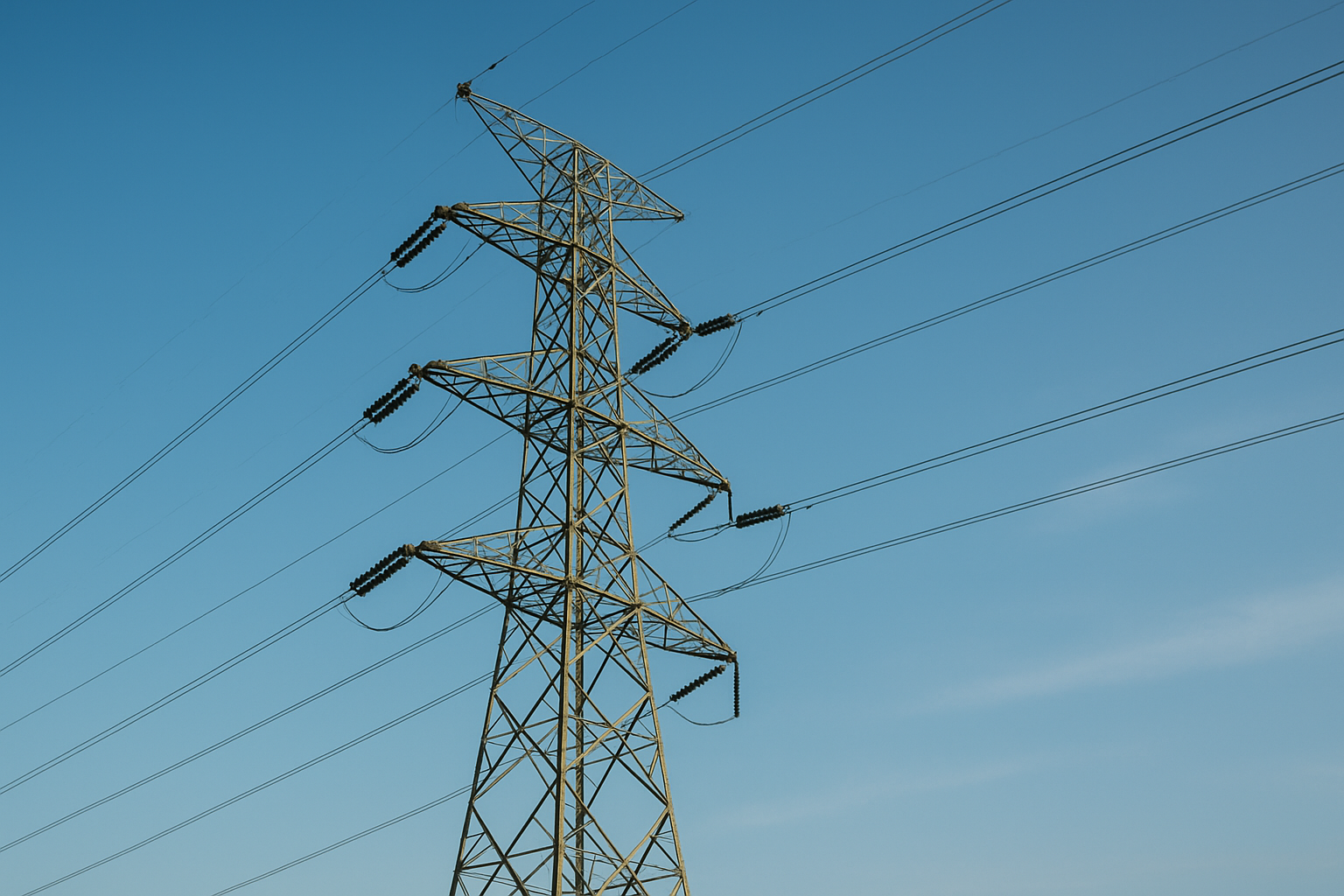
Grid congestion, limited interregional transfer capacity and periods of low demand are commonly cited reasons for curtailment. Technical limits in distribution and transmission lines can force system operators to reduce output to maintain stability and avoid overloads.
Market design and operational practices also influence curtailment levels. Where dispatch rules, pricing signals or ancillary service markets are weak or absent, operators have fewer tools to absorb variable generation efficiently, leading to redispatch of conventional plants instead of using renewables.
The economic and environmental consequences include lost revenue for renewable producers and reduced emissions savings compared with full utilisation. Investors and developers can face uncertainty when output is routinely constrained without predictable compensation mechanisms.
Reducing curtailment typically requires a combination of measures: faster grid expansion, improved cross-regional links, investment in energy storage, enhanced demand-side flexibility and refined market arrangements that reward flexibility and prioritise renewable dispatch. Strategic planning that aligns generation builds with network upgrades can mitigate future bottlenecks.
Both countries have policy tools and technologies available to address these issues, but coordination between planners, system operators and regulators will be crucial. As capacity continues to expand, the urgency to modernise networks and markets grows if clean-energy ambitions are to be met.
FAQs
What is renewable power curtailment?
Curtailment occurs when available wind or solar generation is reduced or disconnected because the grid cannot accept or dispatch that energy safely or economically.
Why do grids curtail renewable energy?
Common causes include transmission congestion, low demand periods, lack of storage, technical stability limits and misaligned market or dispatch rules.
Who is affected by curtailment?
Renewable generators lose revenue when output is restricted, and system operators and policymakers face higher costs per unit of emissions avoided.
Can curtailment be reduced?
Yes. Solutions include network reinforcement, storage deployment, demand response, improved interconnections and market reforms that incentivise flexibility.
Does curtailment mean renewable investments are unviable?
No. Curtailment signals integration challenges but can be managed through planning and complementary investments to unlock full value from renewables.
What role do markets play in curtailment?
Well-designed markets provide price signals for flexibility and storage, enabling operators to balance variable generation without resorting to blanket curtailment.