News at Glance
- Tata Power is pivoting toward clean and distributed energy solutions
- Private utilities are central to India’s accelerating energy transition in its 79th year
- Emphasis is on solar, storage, EV charging and grid modernisation
Tata Power maps path to distributed renewables across India
Tata Power, a major private electricity utility in India, is repositioning its business around low‑carbon and decentralised energy services as the country advances its transition away from fossil fuels. The shift responds to rising demand for cleaner power, flexible grids and electrification across industries and cities.
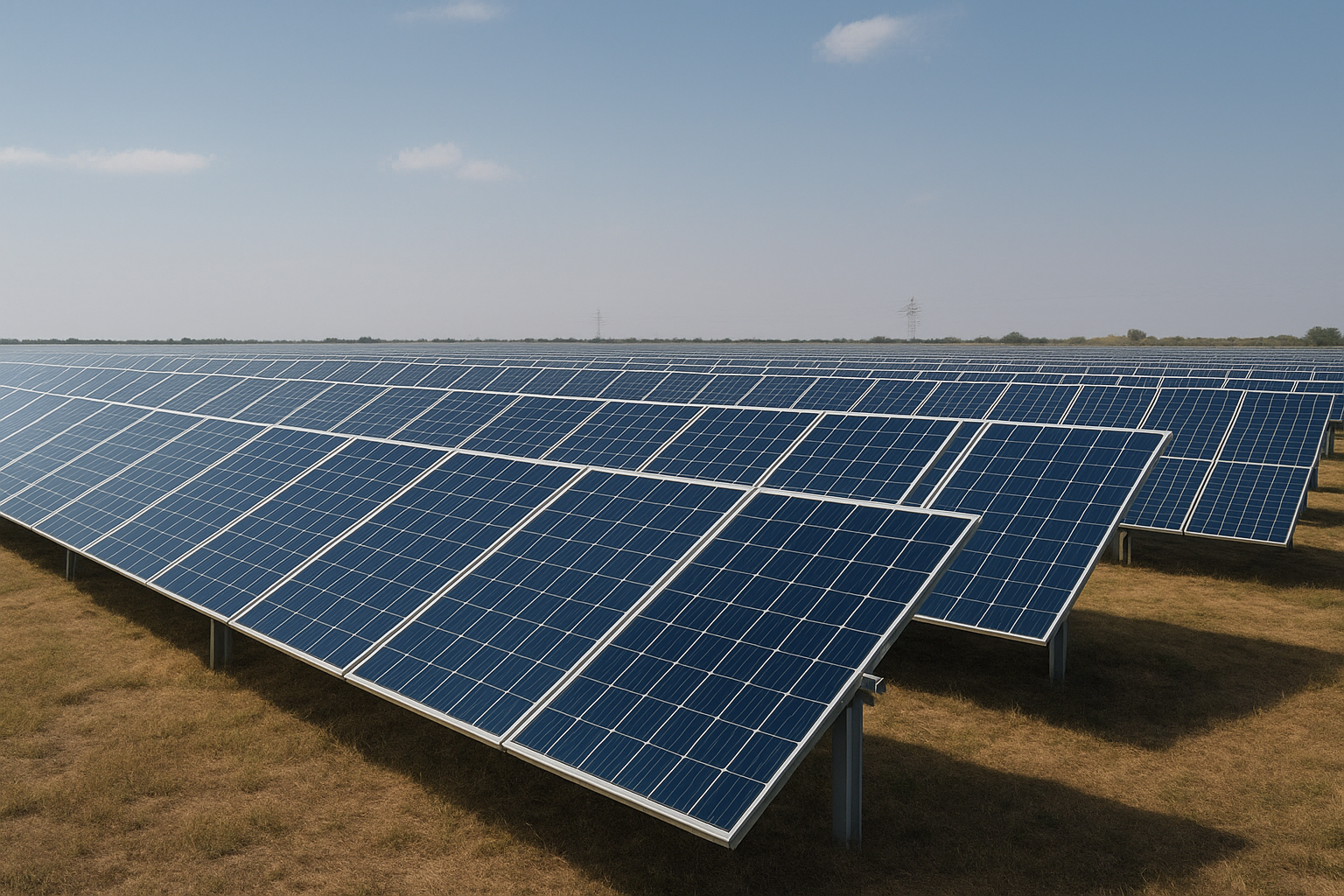
The company’s direction mirrors a broader trend among private utilities to expand rooftop and utility‑scale solar, add battery storage and build electric vehicle charging networks. These measures aim to improve system flexibility and offer new consumer choices for energy sourcing and management.
Stakeholders say distributed generation can enhance energy access and resilience, especially in urban and peri‑urban areas where peak demand and outages strain networks. Combining renewables with storage and demand response helps stabilise supply and integrates intermittent resources more effectively.
Commercial and industrial customers are increasingly seeking long‑term power purchase arrangements and on‑site generation to manage costs and emissions. Utilities that can provide integrated services — from project development to operations and financing — are better placed to capture this market.
Challenges remain, including grid integration, regulatory alignment and the pace of network upgrades. Effective policy frameworks and financing mechanisms are needed to scale projects while maintaining system reliability and affordability.
As India marks its 79th year since independence, the role of private utilities in delivering clean, reliable and affordable power is growing. The transition will require coordinated action by companies, regulators and customers to realise a more decentralised and decarbonised system.
FAQs
What does “energy freedom” mean in this context?
Energy freedom refers to greater choice and autonomy for customers through distributed generation, storage, and diversified supply sources that reduce dependence on a single fuel or supplier.
How can utilities enable distributed renewables?
Utilities can offer rooftop and community solar, integrate battery storage, provide grid services, and develop commercial models such as PPAs and managed energy services.
Why is storage important for the energy transition?
Storage smooths variability from renewable generation, provides peak capacity, and supports grid stability, making higher shares of renewables feasible.
What role do EV charging networks play?
EV charging infrastructure supports electrification of transport, increases electricity demand, and can be coordinated with renewables and storage for flexible load management.
What are the main barriers to faster deployment?
Key barriers include grid constraints, regulatory complexity, project financing and land or permitting challenges for new capacity.
How will customers benefit from this shift?
Customers may gain access to cleaner power options, potential cost savings, improved reliability and new services for managing consumption and generation.