News at Glance
- Hydrogen-iron concept proposed to store surplus wind energy as a long-duration solution.
- Aim to reduce wind curtailment and ease congestion on the Dutch electricity grid.
- Targets multi-day to seasonal flexibility to complement batteries and network upgrades.
Potential to Cut Wind Curtailment on Dutch Grid
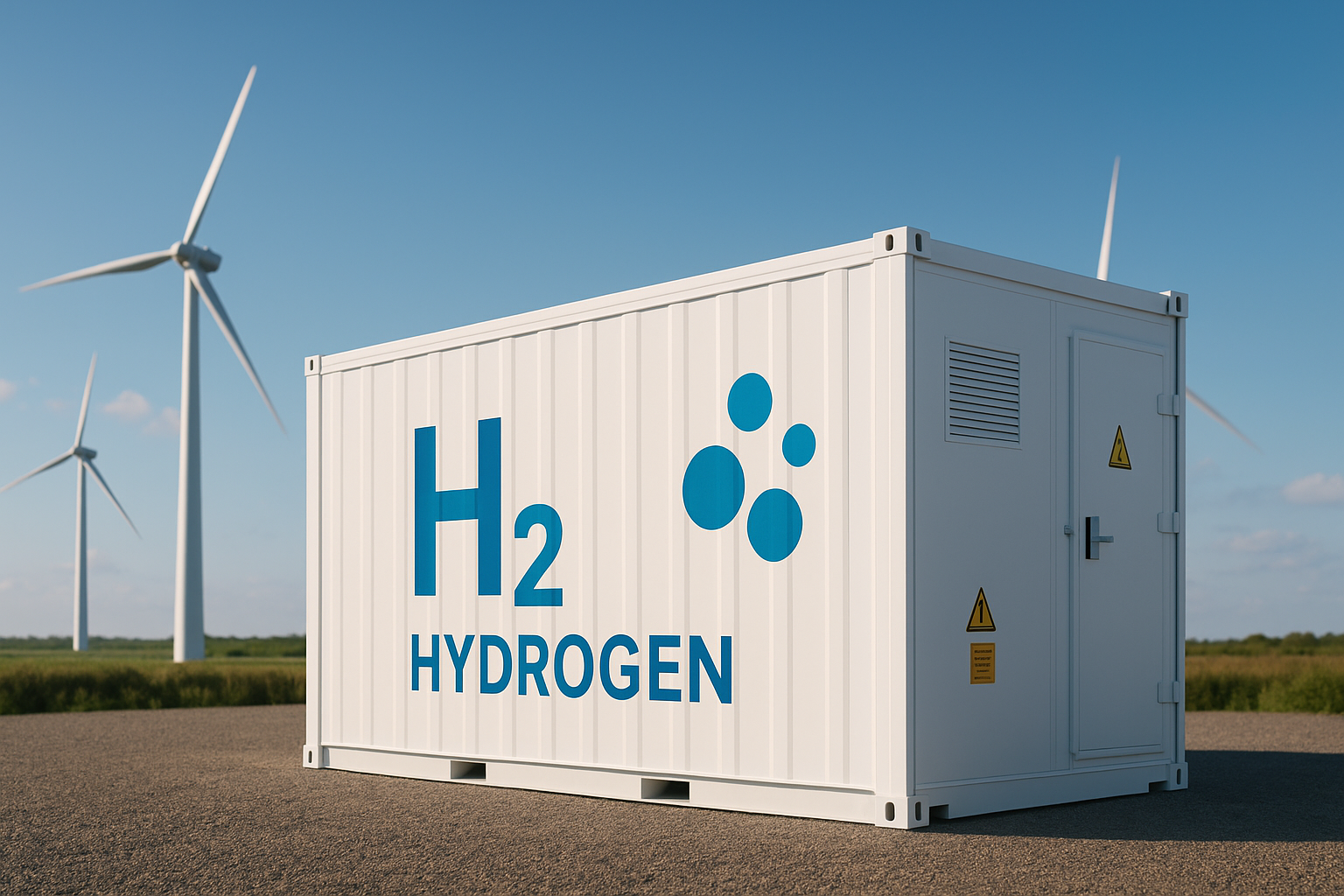
Reports outline a hydrogen-iron storage approach as a potential route to capture excess wind generation and return it when demand rises or network capacity is available. The concept links electrolysis-produced hydrogen with iron-based chemical storage to create a long-duration energy reserve.
Proponents argue such systems can provide multi-day or seasonal flexibility that lithium-ion batteries struggle to deliver economically. For grids challenged by clustered offshore and onshore wind capacity, long-duration storage could reduce curtailment and lower the need for immediate grid reinforcement.
Technically, the route involves converting surplus electricity to a chemical form that is stable in storage and convertible back to electricity or usable fuels. Combining hydrogen and iron in a reversible chemical pathway is presented as one option among several long-duration approaches under consideration in Europe.
Economic and operational hurdles remain significant. Round-trip efficiency, capital costs, material supply chains and integration with existing infrastructure will determine whether projects move beyond demonstration. Market design and remuneration for seasonal flexibility are also critical.
Policy and planning will shape how such storage competes with alternatives including expanded transmission, demand-side management, pumped hydro and emerging battery chemistries. For the Netherlands, where grid bottlenecks can limit full use of wind resources, diverse storage options are receiving increased attention.
Observers say pilot projects, transparent cost comparisons and regulatory clarity will be needed to translate the concept into commercially viable assets. If proven, hydrogen-iron storage could become part of a broader portfolio of solutions to balance high shares of wind generation.
FAQs
What is a hydrogen-iron battery?
It is a long-duration storage approach that combines hydrogen production with iron-based chemical storage to hold energy in a stable form for later conversion back to electricity or fuels.
How would it help the Dutch grid?
By storing surplus wind energy during periods of high generation and releasing it during peak demand or constrained network periods, it could reduce curtailment and provide flexibility.
Is this technology commercially proven?
No single hydrogen-iron configuration is widely deployed at scale; the concept remains at demonstration and development stages alongside other long-duration options.
How does it compare with lithium-ion batteries?
Hydrogen-iron concepts target much longer-duration storage and potentially lower cost per stored hour, but typically with lower round-trip efficiency than lithium-ion systems.
What are the main challenges?
Key issues include conversion losses, capital expense, supply of materials, integration with grid operations and the need for supportive market structures.
What would be required to scale up?
Pilots to prove technical and economic performance, regulatory frameworks that value long-duration flexibility, and investment in associated hydrogen and chemical infrastructure.