
News at Glance
- School Committee advanced warrant articles addressing air-conditioning upgrades for school buildings and procurement of electric school buses.
- Key issues include infrastructure and operating costs, with implications for charging, grid demand and maintenance capacity.
- Decisions will shape district energy use and emissions and may rely on external funding or phased implementation to manage capital needs.
Potential budget and infrastructure consequences of the proposed articles
The School Committee has moved articles relating to air-conditioning and the transition to electric school buses toward consideration at a Special Town Meeting. Committee members and administrators framed the measures as operational and capital choices that intersect with facilities planning and transportation strategy.
Proposals for expanded air-conditioning typically raise questions about indoor comfort, energy consumption and building upgrades such as insulation, ventilation and controls. Installing or upgrading HVAC systems can change electrical load profiles and may require coordination with utility providers to assess capacity and demand-response options.
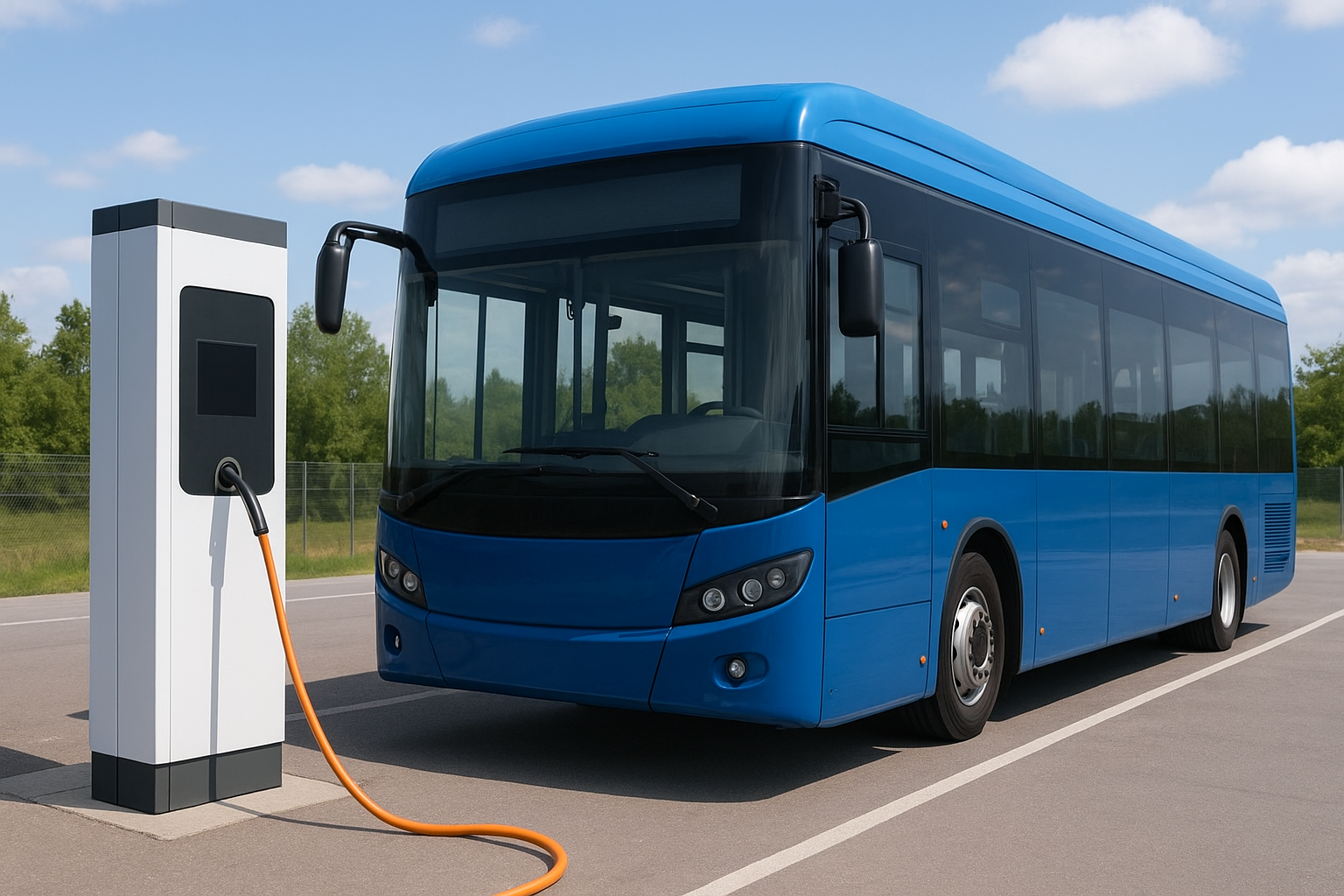
Electric school buses present a different set of infrastructure needs, including depot charging, potential upgrades to electrical service and staff training for vehicle maintenance. Fleet electrification can reduce tailpipe emissions and local pollution, but it also requires planning for range, duty cycles and charging schedules to match routes.
Funding and timing are central to the debate; capital outlays for HVAC retrofits and EV buses are weighed against lifecycle savings in fuel, maintenance and potential grants. Municipalities often evaluate phased procurement, pilot programs and external grants to spread costs and test operational implications before full deployment.
Decision-makers must balance immediate service needs with longer-term sustainability goals, considering resilience, equity and total cost of ownership. Community input at the Special Town Meeting will inform whether the warrant articles proceed and how any approved measures are implemented.
FAQs
What is a warrant article?
A warrant article is a specific proposal placed on the agenda for a town meeting where voters decide to authorize or fund an action.
How would electric buses affect district operations?
Electric buses change fueling and maintenance practices and require charging infrastructure and new staff training to support day-to-day operations.
Do air-conditioning upgrades increase energy use?
They can increase energy consumption, but modern systems with efficient controls and improved building envelopes can limit net impacts and improve comfort.
What funding sources are typically available?
Districts often combine local capital, state or federal grants and utility incentives when funding HVAC and vehicle electrification projects.
Will electric buses reduce emissions?
Electric buses eliminate tailpipe emissions and can lower lifecycle emissions when charged with low-carbon electricity.
How will community members participate?
Residents can attend the Special Town Meeting to hear presentations, ask questions and vote on the warrant articles under consideration.