News at Glance
- Some automakers are exploring small gasoline engines as onboard range extenders for battery electric vehicles to address gaps in charging infrastructure.
- Range extenders can reduce reliance on fast public chargers by providing on‑board electricity generation for longer trips.
- Experts warn of trade-offs including higher tailpipe emissions, regulatory scrutiny and added mechanical complexity.
Range extenders aim to plug charging gaps and ease consumer concerns
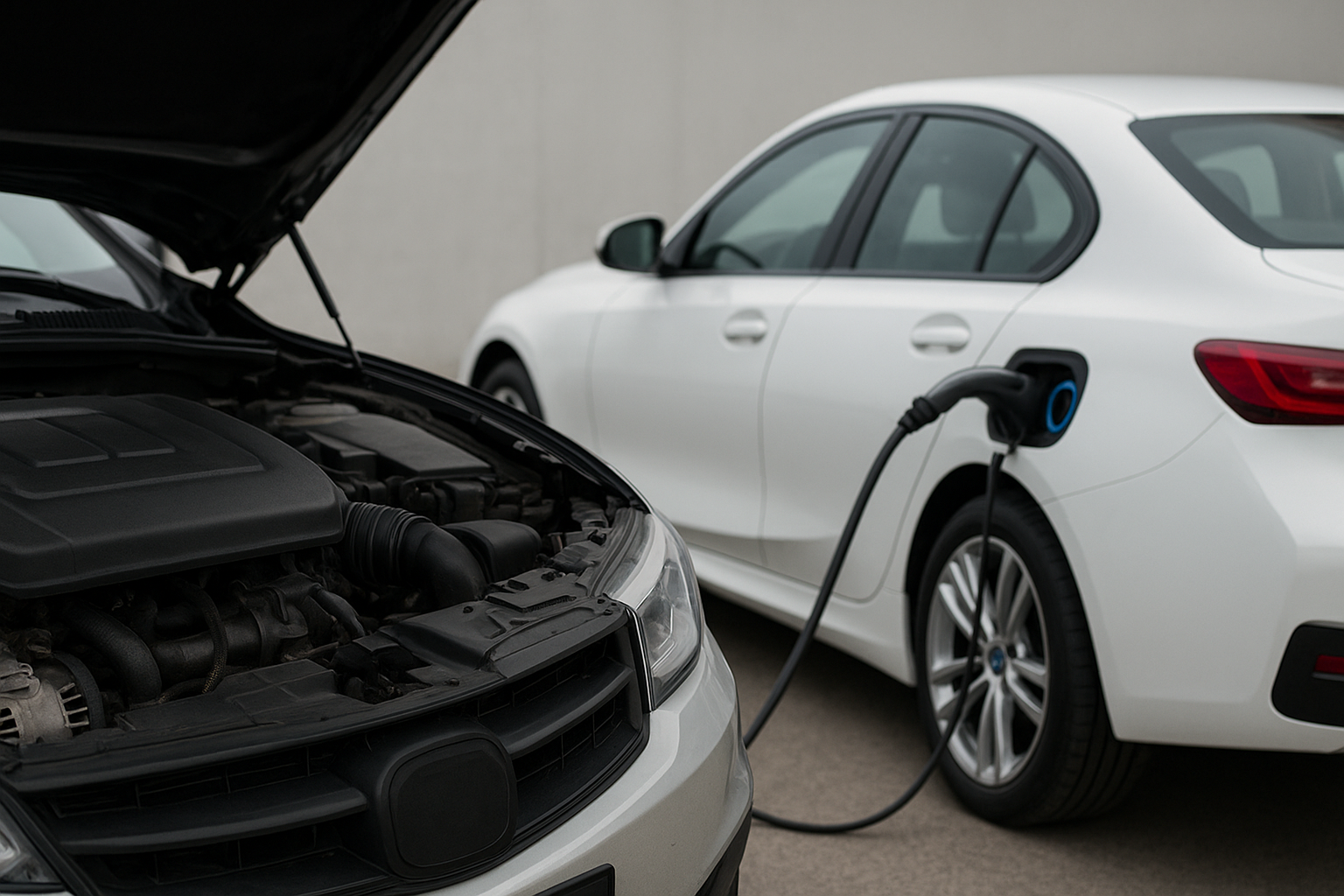
Automakers are increasingly considering the addition of compact internal‑combustion engines to battery electric vehicles as range extenders. The concept pairs a small gasoline generator with the battery to provide electricity for propulsion or to recharge the pack on the move.
Manufacturers view the approach as a practical response to persistent charging shortfalls, long refuelling times and consumer anxiety about long trips. A range extender can offer quicker refuelling compared with long fast‑charging waits and reduce the need for very large, expensive battery packs.
Proponents argue the solution can lower upfront vehicle cost and broaden the utility of EVs for drivers without reliable access to home or fast public chargers. In practice, range extenders typically operate as series hybrids, where the engine generates electricity rather than directly driving the wheels.
Critics say adding a gasoline engine undermines some of the environmental benefits of pure battery EVs. Tailpipe emissions will depend on how often the engine runs, and lifecycle greenhouse‑gas outcomes vary with fuel source and driving patterns.
Regulators and incentive programs may treat vehicles with onboard combustion differently from pure battery models, which could affect compliance with emissions rules and eligibility for subsidies. The approach also adds mechanical complexity and maintenance considerations.
Automakers will weigh these trade‑offs alongside evolving charging networks, battery costs and consumer preferences. Whether range‑extended EVs become a broad market segment will depend on infrastructure progress, policy signals and how customers value convenience versus emissions performance.
FAQs
What is a gasoline range extender for an electric vehicle?
A gasoline range extender is a small internal‑combustion engine used to generate electricity on board an electric vehicle, typically to recharge the battery or directly power the electric motor, extending driving range without relying solely on external charging.
Why are automakers considering adding gasoline engines to electric vehicles?
Automakers consider range extenders to address gaps in charging infrastructure, reduce long wait times for fast charging, lower the need for very large batteries, and offer drivers greater confidence for long trips or areas with limited chargers.
How do range extenders affect vehicle emissions compared with pure battery EVs?
Range extenders produce tailpipe emissions when running, so total emissions depend on how often the engine is used, fuel efficiency, and the electricity sources displaced by onboard generation; pure battery EVs typically have lower operating tailpipe emissions.
Will adding a gasoline engine change EV eligibility for incentives and regulations?
Vehicles with onboard combustion may face different regulatory classifications and might not qualify for the same zero‑emission incentives or credits as pure battery electric vehicles, depending on jurisdictional rules and emissions standards.
How does a range extender compare to increasing battery size in cost and weight?
A range extender can be lighter and less costly than a much larger battery pack for achieving similar real‑world range, but it adds fuel, emissions, moving parts and maintenance needs, creating trade‑offs between upfront cost and long‑term running impacts.
Could range extenders slow the rollout of public charging infrastructure?
Range extenders might reduce immediate pressure for fast charger deployment by enabling longer trips without public charging, but infrastructure buildout is driven by many factors including policy, electricity grid readiness and broader EV adoption trends.