
News at Glance
- 40 MW added: Blueleaf has acquired an operational wind farm in Karnataka with a nameplate capacity of 40 megawatts.
- Deal specifics undisclosed: Financial terms and seller details were not reported.
- Market context: The acquisition aligns with investor activity consolidating operational renewable assets in India.
Acquisition Adds 40 MW of Operating Wind Capacity in Karnataka
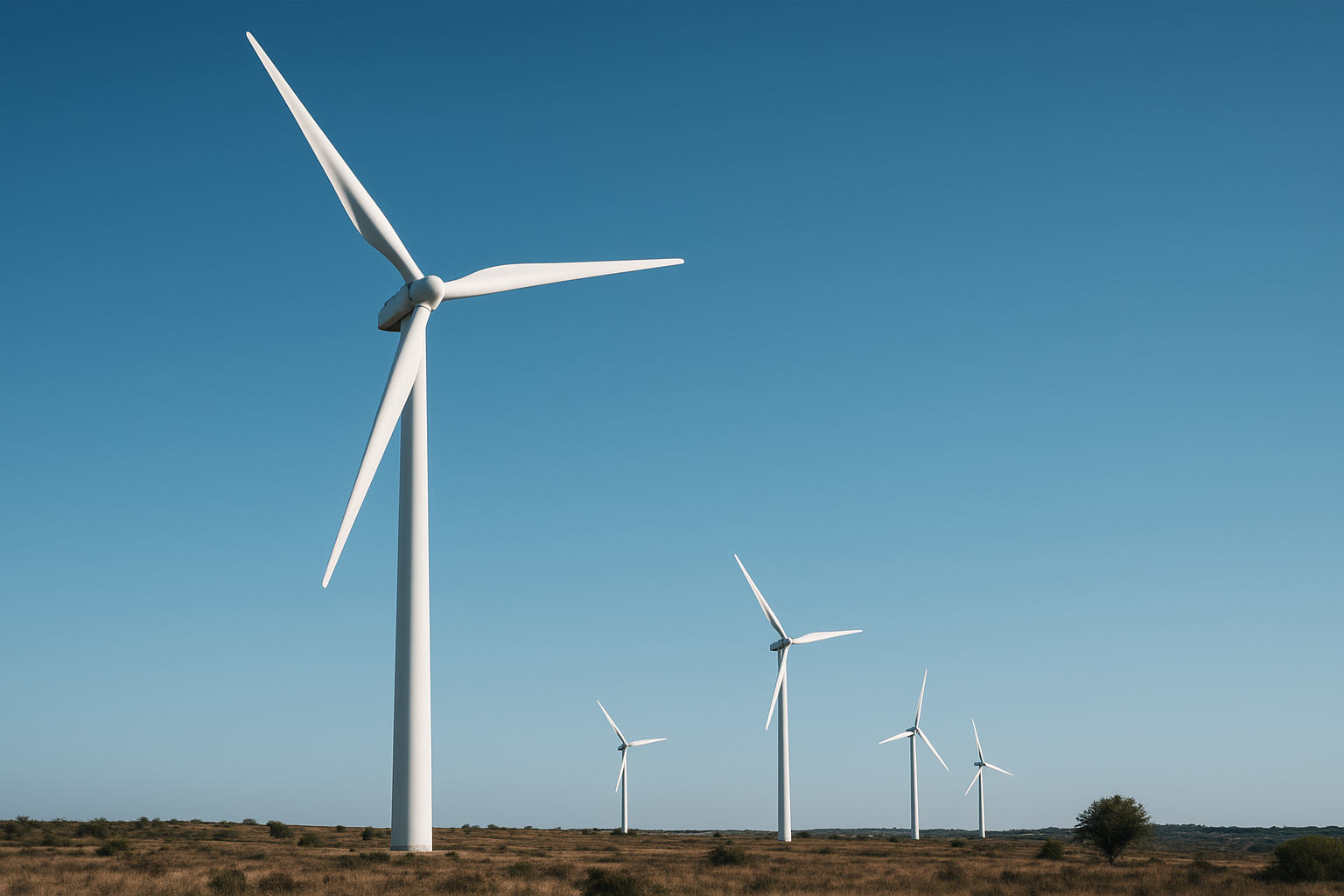
Blueleaf has completed the purchase of a 40-megawatt wind farm located in the southern Indian state of Karnataka, according to industry reporting. The asset is operational and will become part of Blueleaf’s onshore renewables portfolio.
Details on the seller, transaction price and financing were not disclosed in public reports. The company has not released an official statement with transaction particulars at the time of publication.
The deal underscores a trend in India where developers, investors and independent power producers acquire ready-built renewable assets to scale capacity quickly. Buying operational farms shortens lead times compared with greenfield development and secures immediate generation and revenue streams.
Karnataka remains an important market for wind power in India, with established transmission corridors and a history of utility-scale projects. Operational wind assets in the state contribute to grid supply and help meet state and national renewable targets.
Market participants say acquisitions of this kind can ease project management burdens for sellers and provide buyers with established site performance data. Such transactions also influence local supply chains and operations-and-maintenance services.
As India’s renewables sector matures, more secondary-market activity is expected for onshore wind and solar assets. Observers note that transparent reporting of deal terms would help clarify valuation benchmarks for future transactions.
FAQs
What does it mean when a company acquires an operational wind farm?
Acquiring an operational wind farm transfers ownership of an existing generating asset, including turbines, land rights and often power purchase agreements, allowing the buyer to receive immediate electricity output and revenue.
How is the value of a wind farm typically determined in a sale?
Valuation usually considers the asset’s remaining lifespan, historical generation performance, existing contracts, operations-and-maintenance costs, local tariffs and any grid constraints or curtailment risks.
Why are companies buying operating renewable assets instead of building new ones?
Purchasing operating assets reduces development risk, shortens time to revenue, and provides predictable generation data. It can be faster and sometimes more cost-effective than permitting and constructing a new project.
What makes Karnataka attractive for wind projects?
Karnataka offers strong wind resource zones, established transmission infrastructure and a history of utility-scale development, which together support the viability of wind farms in the state.
How do such acquisitions affect local electricity supply?
They keep existing generation online under new ownership, maintaining or enhancing supply reliability if operations and maintenance are sustained or improved by the buyer.
Will the acquisition change how the wind farm sells power?
Not necessarily; existing power purchase agreements or merchant arrangements typically remain in place unless renegotiated, so the purchasing company inherits current offtake conditions.