
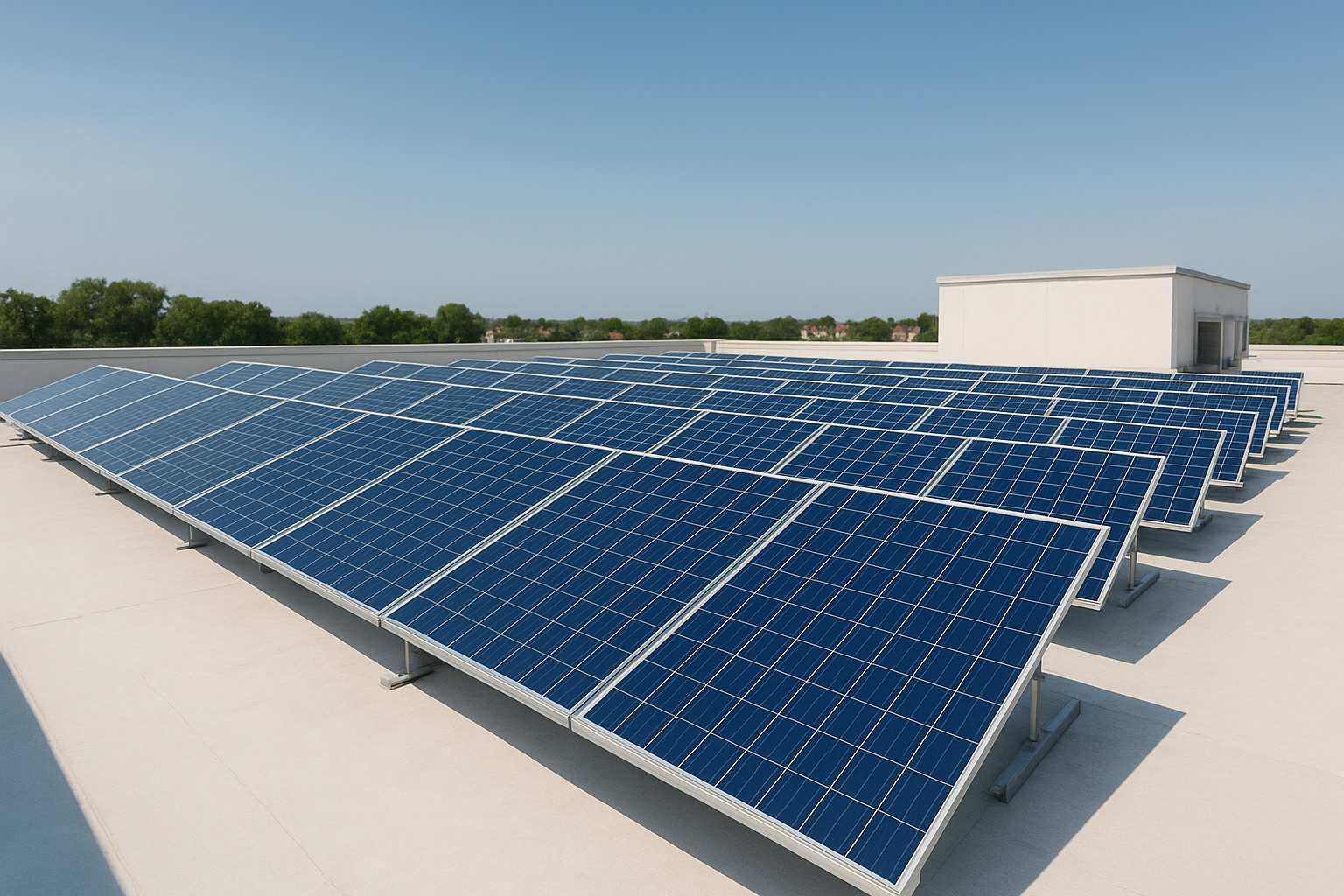
The Tamil Nadu government has announced an incentive scheme offering up to ₹1 lakh for rooftop solar installations and outlined intentions to introduce a comprehensive battery energy storage systems (BESS) policy alongside targeted grid upgrades. The measures aim to accelerate distributed generation, improve grid resilience and support the integration of storage into the state electricity system.
Overview
The incentive is designed to lower upfront costs for households, commercial establishments and smaller industrial consumers interested in installing rooftop photovoltaic systems. Alongside the financial support, authorities have said they will pursue a BESS policy to provide a regulatory framework for storage deployment.
Planned grid upgrades are expected to address technical and operational challenges that arise from higher levels of distributed solar, including voltage management and two-way power flows. Details on eligibility, application processes and timelines are yet to be published in full.
Why This News Matters
Rooftop solar subsidies can change the economics for small-scale generators by reducing payback periods and encouraging broader participation. Storage policy and grid investments are critical complements that enable higher penetration without compromising power quality.
Without storage and network reinforcement, large-scale rooftop adoption can stress distribution networks and complicate system balancing. A coordinated approach that combines incentives, storage regulation and technical upgrades is therefore central to maintaining reliability while expanding renewables.
Industry Perspective
Developers, equipment manufacturers and utilities generally view combined financial incentives and clearer storage rules as positive steps that reduce market uncertainty. Incentives make rooftop projects more bankable, while a BESS policy can clarify interconnection, safety and revenue mechanisms.
However, stakeholders also point out practical barriers that incentives alone cannot solve, such as the availability of skilled installers, standardized contracting, and streamlined permitting. Grid operators will need to plan upgrades carefully to prioritise investments that deliver the greatest system benefits.
Future Outlook
If implemented effectively, the incentive and complementary policies could boost rooftop solar deployment across urban and peri-urban areas, creating demand for panels, inverters and storage systems. This may attract private investment and spur local jobs in installation and after-sales service.
Over time, clearer rules for BESS and targeted grid reinforcements can enable more flexible operation, including demand management, peak shaving and improved handling of variable renewable output. The pace and scale of impact will depend on policy design, fiscal support and the speed of regulatory approvals.
Key Highlights
- Financial incentive: Up to ₹1 lakh announced for rooftop solar installations to lower upfront costs.
- BESS policy: A new policy for battery storage is planned to guide deployment and integration.
- Grid upgrades: Targeted grid improvements are proposed to manage higher distributed generation.
- Market implications: Measures aim to increase bankability and demand for solar and storage products.
- Details pending: Specific eligibility criteria, timelines and technical standards remain to be released.
Frequently Asked Questions
What does the ₹1 lakh incentive cover?
Answer: Authorities have announced support of up to ₹1 lakh for rooftop solar, but specific coverage—such as portions for equipment, installation or capacity limits—has not been published. Such incentives typically reduce the upfront capital expenditure for system owners.
Who is likely to be eligible for the subsidy?
Answer: The announcement suggests the scheme targets rooftop solar adopters including households and commercial consumers, but exact eligibility rules and any income or capacity caps will need to be confirmed when detailed guidelines are released.
What is a BESS policy and why is it important?
Answer: A BESS policy sets regulatory and technical frameworks for battery storage deployment—covering safety, interconnection, market participation and potential incentives. It is important because storage enables better integration of variable renewables and enhances grid flexibility.
How will grid upgrades support rooftop solar?
Answer: Grid upgrades can address issues such as voltage fluctuations, reverse power flows and feeder capacity constraints that occur with high rooftop penetration. Upgrades may include transformer replacement, protection scheme updates and improved monitoring systems.
Will this affect electricity tariffs or net metering rules?
Answer: The announcement did not specify changes to tariffs or net metering. Any adjustments to billing, buy-back rates or tariff structures will be determined through separate regulatory processes and stakeholder consultations.
When will detailed guidelines be available?
Answer: No timeline for detailed implementation guidelines has been provided yet. Interested parties should monitor official state communications and regulator releases for the full programme rules and application procedures.