
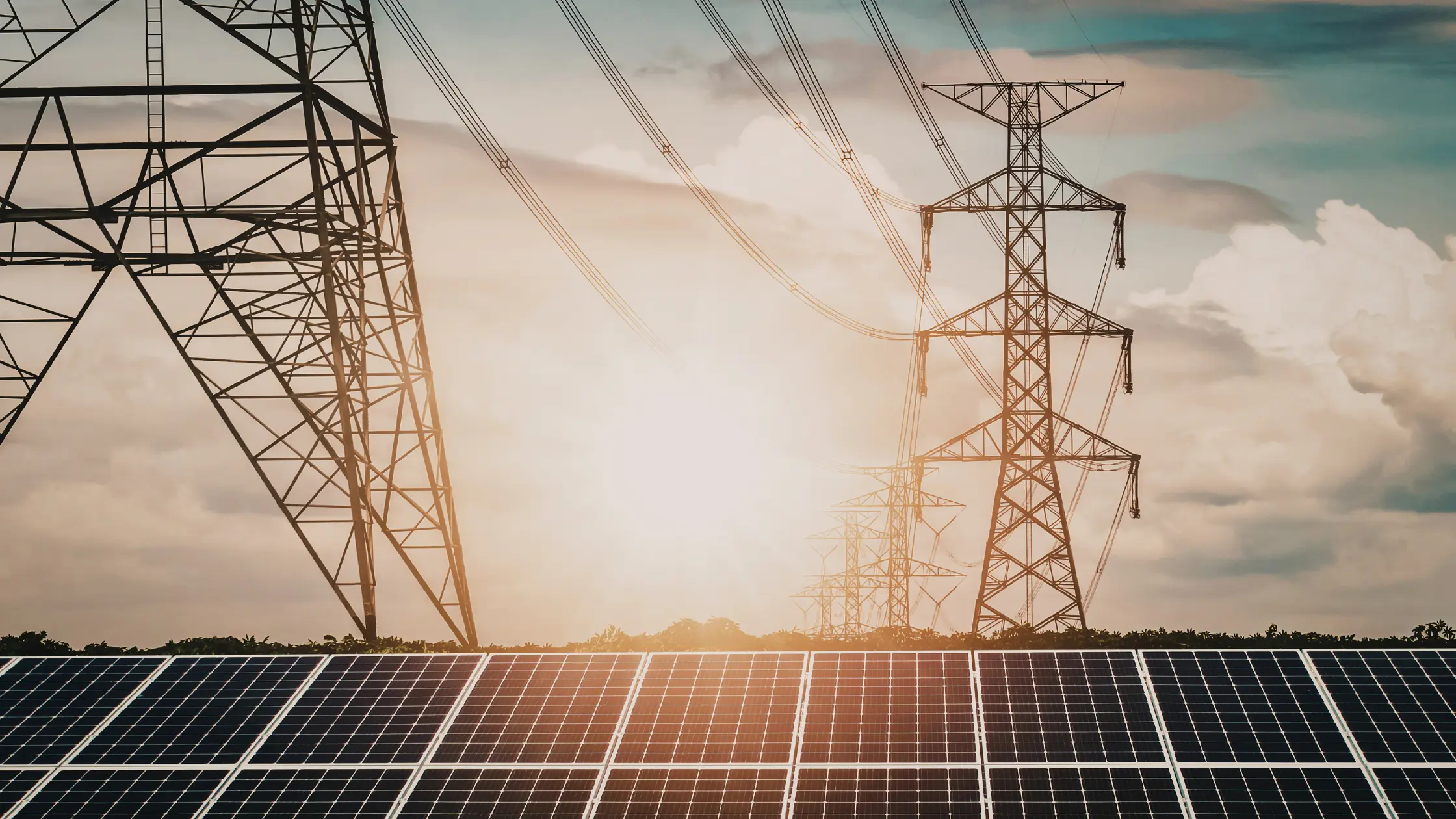
India added a record 45 gigawatts of solar capacity in the financial year 2025-26, marking its fastest annual expansion yet and underscoring the country’s accelerating shift toward clean energy.
The milestone, highlighted by Union Minister for New and Renewable Energy Pralhad Joshi, reflects what officials describe as a broader push toward energy security and sustainable growth. In March alone, India installed 6.65 gigawatts of solar capacity, the highest ever in a single month.
Growth has been concentrated in key states, with Rajasthan, Gujarat, and Maharashtra leading installations, emerging as central hubs in the country’s renewable energy expansion.
The surge in solar capacity comes as India strengthens its position in the global clean energy landscape. The country has now surpassed Brazil to become the world’s third-largest nation in terms of installed renewable energy capacity, according to official data.
At the same time, India’s power generation reached 1,845.921 billion units during the fiscal year, with non-fossil fuel sources accounting for 29.2 percent of total generation. The country had already achieved a key milestone in June 2025, when 50 percent of its cumulative installed electricity capacity came from non-fossil sources, five years ahead of its 2030 climate target under the Paris Agreement.
The expansion aligns with the long-term vision set by Narendra Modi to reach 500 gigawatts of installed electricity capacity from non-fossil sources by 2030, a target that has become central to India’s climate and industrial policy.
Parallel efforts are also underway to diversify the clean energy mix. The government’s National Green Hydrogen Mission, backed by an outlay of Rs 19,744 crore, aims to produce 5 million metric tonnes of green hydrogen annually by 2030, while potentially unlocking large-scale investments and job creation.
Wind energy is also contributing to the transition. India added 6.05 gigawatts of wind capacity in FY 2025-26 , a 46 percent increase from the previous year, taking total installed wind capacity beyond 56 gigawatts and reinforcing its position as the fourth-largest wind power market globally.
Together, the gains in solar and wind signal a structural shift in India’s energy economy, as the country balances rising electricity demand with the urgency of reducing emissions and building long-term energy independence.