News at Glance
- China and Jordan are strengthening cooperation in electric vehicles and renewable energy sectors.
- Trade and project activity increasingly focuses on vehicle exports, charging infrastructure and clean-power projects.
- Strategic ties aim to spur economic growth and support regional decarbonisation and industrialisation objectives.
Jordan grows as a regional entry point for Chinese clean-tech goods and projects
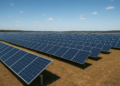
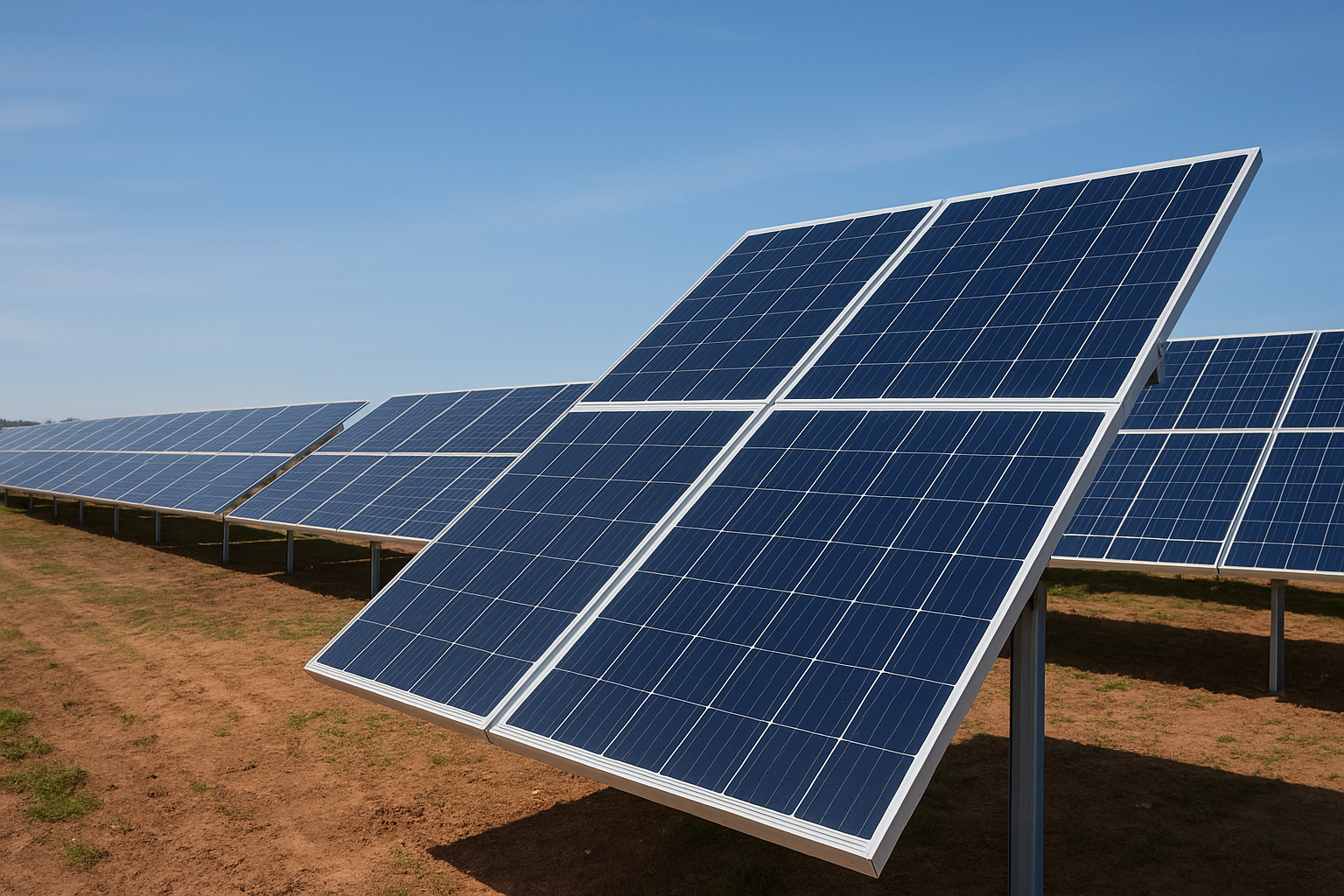
China and Jordan have broadened engagement around clean technology, with businesses and government contacts prioritising electric vehicle supply chains and renewable energy development.
Commercial exchanges are reported to cover EV models and parts, installation of charging infrastructure, and collaboration on utility-scale and distributed renewable projects. The activity reflects rising demand in the Middle East and North Africa for transport electrification and low-carbon power.
Jordanian authorities and private-sector actors have highlighted the potential economic and employment benefits from hosting manufacturing, assembly or service facilities tied to EVs and battery systems. For Chinese firms, the country offers a gateway to regional markets and infrastructure opportunities.
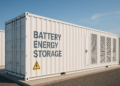
Renewable energy cooperation spans project development, equipment supply and grid integration expertise. Both sides are exploring ways to pair generation projects with storage and electrified transport to maximise decarbonisation outcomes.
Trade in clean technologies is also framed as a diplomatic and economic priority, supporting broader bilateral ties beyond traditional goods. Observers note that integration of energy and transport plans will be critical for converting early agreements into sustained investment.
Challenges remain, including regulatory alignment, local skills development and financing structures for larger projects. Continued dialogue, capacity-building and commercially viable project design will determine how quickly partnerships translate into tangible deployments.
FAQs
What sectors are driving the China-Jordan green partnership?
Electric vehicles, charging infrastructure and renewable power projects are central, along with related supply-chain services and grid integration work.
Why are electric vehicles important to the relationship?
EVs create trade opportunities for vehicles and components, spur infrastructure investment and align with national decarbonisation priorities across the region.
How does renewable energy fit into the trade ties?
Renewables provide projects for equipment suppliers, developers and financiers while supporting energy transition goals and exportable services.
What benefits could Jordan see from deeper engagement?
Potential benefits include job creation, technology transfer, infrastructure upgrades and increased exports or re-exports to neighbouring markets.
What barriers could slow progress?
Key barriers include financing complexities, regulatory differences, workforce readiness and the need for coordinated grid and transport planning.
What will determine future success?
Success will depend on bankable projects, public-private partnerships, local capacity development and effective regional market access strategies.