News at Glance
- Solar and wind installations are the primary drivers of recent capacity increases in Türkiye’s electricity sector.
- Renewable additions are reshaping generation mix, reducing the relative share of thermal plants without eliminating them.
- Grid integration and energy storage are rising priorities as intermittent output from renewables grows.
Solar and wind lead new capacity additions across Türkiye
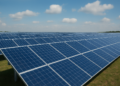
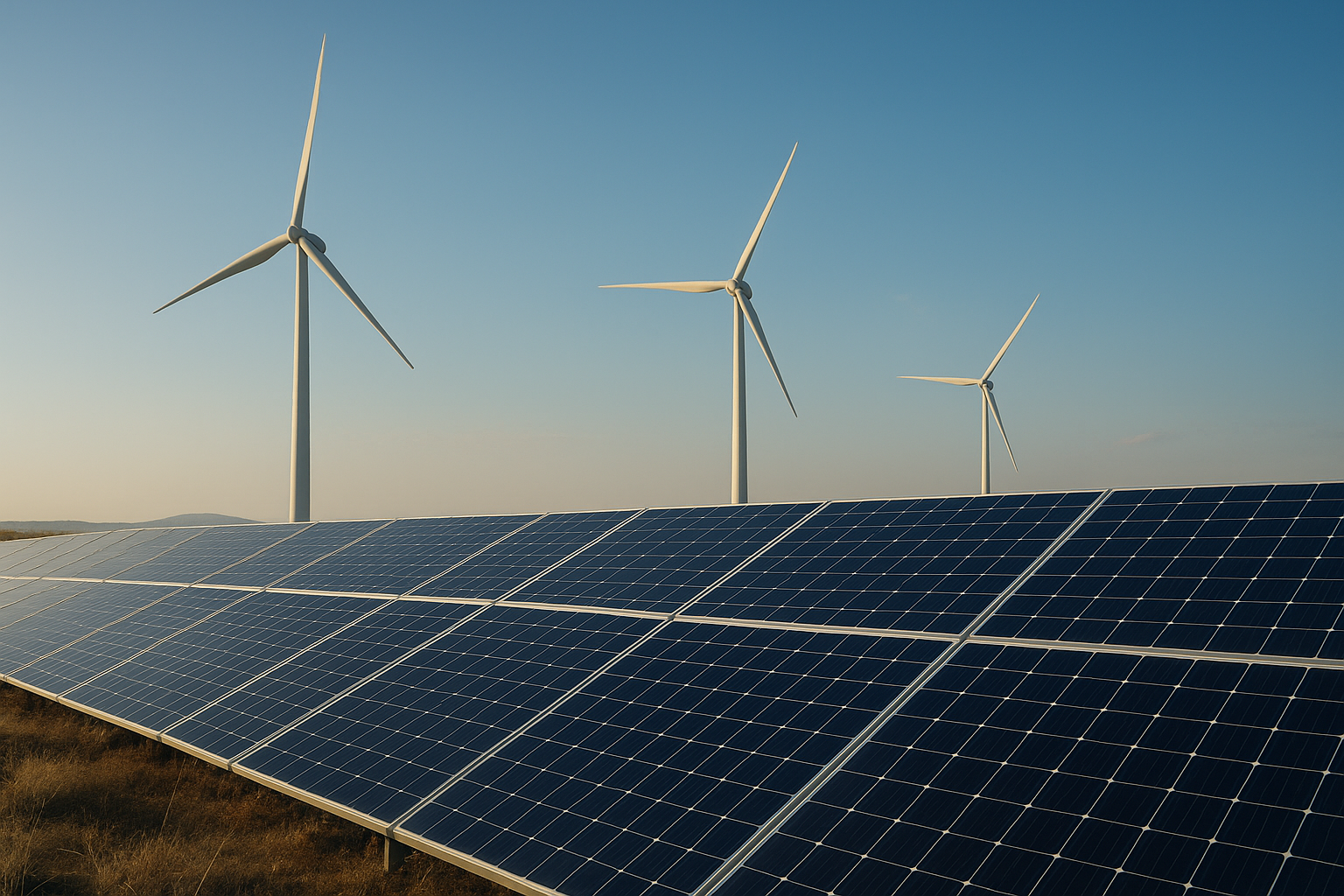
Türkiye’s power system has seen notable expansion recently, with most of the new generation capacity coming from solar PV and onshore wind projects. This trend reflects broader shifts in investment toward low‑carbon technologies and declining equipment costs.
Developers and investors have pushed forward projects across utility‑scale and distributed segments, increasing generation diversity while easing some pressure on fuel‑dependent units. At the same time, traditional thermal plants remain part of the system and continue to provide flexibility and baseload support.
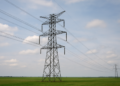
The growing share of variable renewables is prompting greater focus on grid upgrades, balancing mechanisms and enhanced forecasting. System operators and market participants are paying more attention to transmission reinforcements and demand‑side measures to accommodate fluctuating output.
Energy storage, flexible generation and improved grid management are becoming central to planning to ensure reliability as renewable penetration rises. Industry stakeholders point to hybrid projects and storage trials as likely pathways to smooth seasonal and diurnal variability.
Policy signals, commercial interest and falling technology costs have created a supportive environment for deployment, while permitting and grid connection processes remain critical bottlenecks in some regions. Continued coordination between planners, regulators and investors will influence the pace and geographic spread of future projects.
Looking ahead, renewable additions are expected to further alter the generation mix, but their integration will require parallel investments in networks, market rules and flexibility options to maintain secure and affordable power supply.
FAQs
What is driving the recent growth in Türkiye’s power capacity?
Growth is primarily driven by additions of solar PV and wind, supported by market interest, cost reductions and increased project development activity.
Are thermal power plants being retired because of renewable growth?
Thermal plants remain operational and provide system flexibility; renewables are changing the mix rather than replacing thermal generation overnight.
What are the main challenges with higher renewable penetration?
Challenges include grid integration, variability of supply, permitting and the need for storage and flexible balancing resources.
How can grid operators manage increased intermittent generation?
Options include transmission upgrades, better forecasting, demand response, and energy storage to smooth output and maintain reliability.
Will investment in storage increase in Türkiye?
As renewable capacity grows, investment interest in storage and hybrid projects is expected to rise to address intermittency and provide ancillary services.
What role do policies play in this transition?
Policy frameworks, market design and permitting processes shape investment decisions and the speed at which renewables and supporting infrastructure are deployed.