Canada, US and Mexico Launch West Coast Charging Network For Electric Trucks
-2.png&w=3840&q=75)
CleanTech Journal Desk
Published •Updated •8 min read
News at Glance
- Canada, the United States and Mexico are cooperating to develop a West Coast charging network for electric heavy‑duty trucks.
- Priority is on enabling cross‑border freight operations and reducing emissions from long‑haul trucking along Pacific trade corridors.
- Key challenges include high‑power charging, grid upgrades and interoperability across jurisdictions.
Trilateral push aims to enable cross‑border electric truck operations
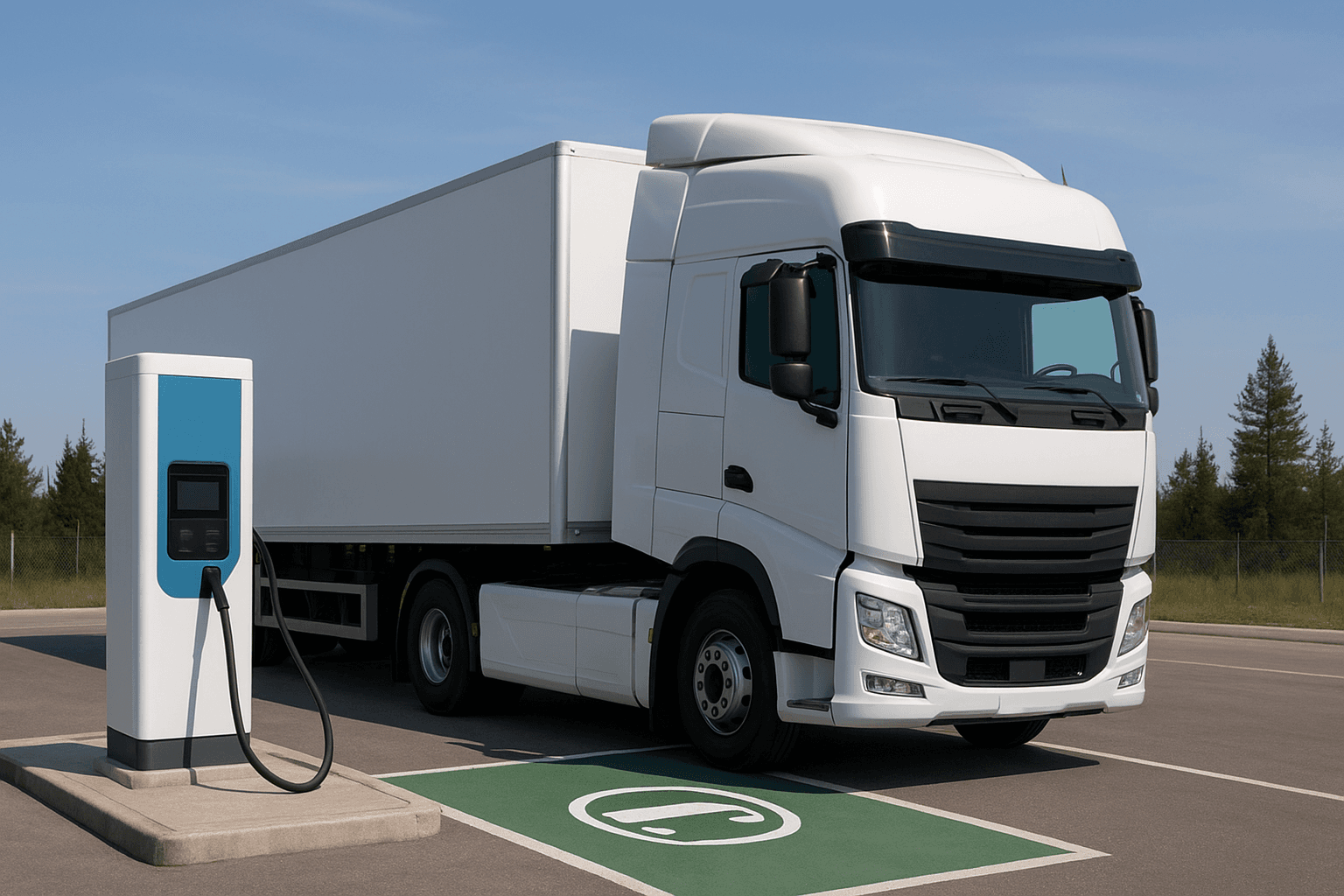
The governments of Canada, the United States and Mexico have announced cooperative plans to develop a charging network tailored for battery‑electric heavy trucks along the West Coast. The initiative is intended to support truck electrification for cross‑border freight corridors linking ports, logistics hubs and major highways.
Public details on specific routes, funding levels or delivery partners were not provided in the announcement. Observers note that heavy‑duty charging differs from passenger EV charging because of much higher power requirements and the need for rapid, reliable turnaround times for fleets.
Supporters say a coordinated North American approach can reduce technical barriers by aligning equipment standards, payment systems and permitting processes. Cross‑border interoperability is central to the effort so that trucks can charge and operate seamlessly between countries without administrative friction.
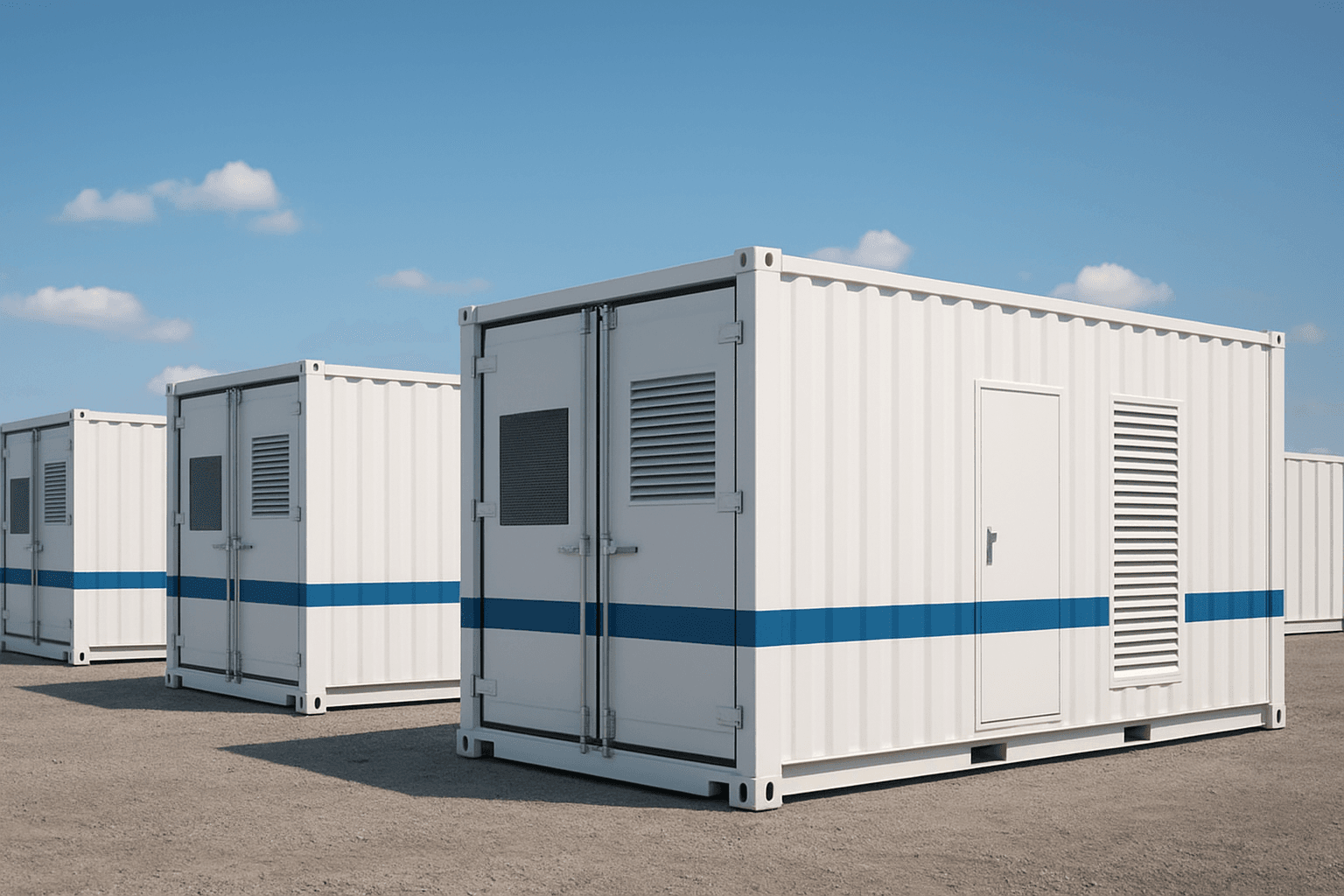
Deployment will require significant grid reinforcement and site development, including high‑capacity transformers, local distribution upgrades and access to predictable energy supplies. Operators and grid planners typically consider demand management, on‑site storage and managed charging to minimise peak impacts.
Public‑private partnerships and participation from truck manufacturers, fleet operators and charging providers are commonly used models to accelerate rollouts. The announcement signals increased policy focus on freight sector decarbonisation but leaves timing and governance details open.
If implemented at scale, a West Coast charging corridor could lower tailpipe emissions, improve air quality in port communities and enable more rapid adoption of electric heavy trucks by reducing range and charging uncertainty for fleets engaged in international trade.
FAQs
What is the West Coast charging network for electric trucks?
The West Coast charging network is a cooperative initiative by Canada, the United States and Mexico to deploy high‑power charging infrastructure designed specifically for battery‑electric heavy‑duty trucks along Pacific trade and freight corridors, enabling cross‑border operations.
Why do electric trucks need different chargers than passenger EVs?
Heavy‑duty electric trucks require much higher charging power and larger energy transfers to minimise downtime. Infrastructure must support high continuous power, robust cooling, and frequent cycling, which differs from typical passenger EV charging needs.
Who will build and operate the charging stations?
The announcement describes government cooperation but does not list specific operators. In practice, such networks are typically developed through partnerships among governments, utilities, private charging providers, fleet operators and port authorities.
How will cross‑border charging work for truck fleets?
Cross‑border charging relies on interoperable payment systems, compatible connectors and harmonised technical and regulatory standards so trucks can charge seamlessly across national borders without separate authorisations or equipment changes.
What are the main technical challenges to deploying this network?
Key challenges include securing high‑capacity grid connections, managing peak demand, installing heavy‑duty electrical equipment, meeting land‑use and permitting requirements, and ensuring interoperability among vendors and jurisdictions.
What benefits can a West Coast charging corridor deliver?
A dedicated corridor can reduce greenhouse gas and air pollutant emissions from freight, lower operating costs for electric fleets over time, support broader decarbonisation targets and improve air quality in port and transport hubs.