News at Glance
- 7.5–8 GW target: India aims to add 7.5–8 GW of wind capacity in FY2026-27, Industrial Info reported.
- Fiscal timeframe: The target applies to the fiscal year running from 1 April 2026 to 31 March 2027.
- Delivery depends on multiple factors: Progress will hinge on auctions, developer pipelines, financing and grid preparedness.
Project Pipelines and Grid Readiness Will Determine Delivery
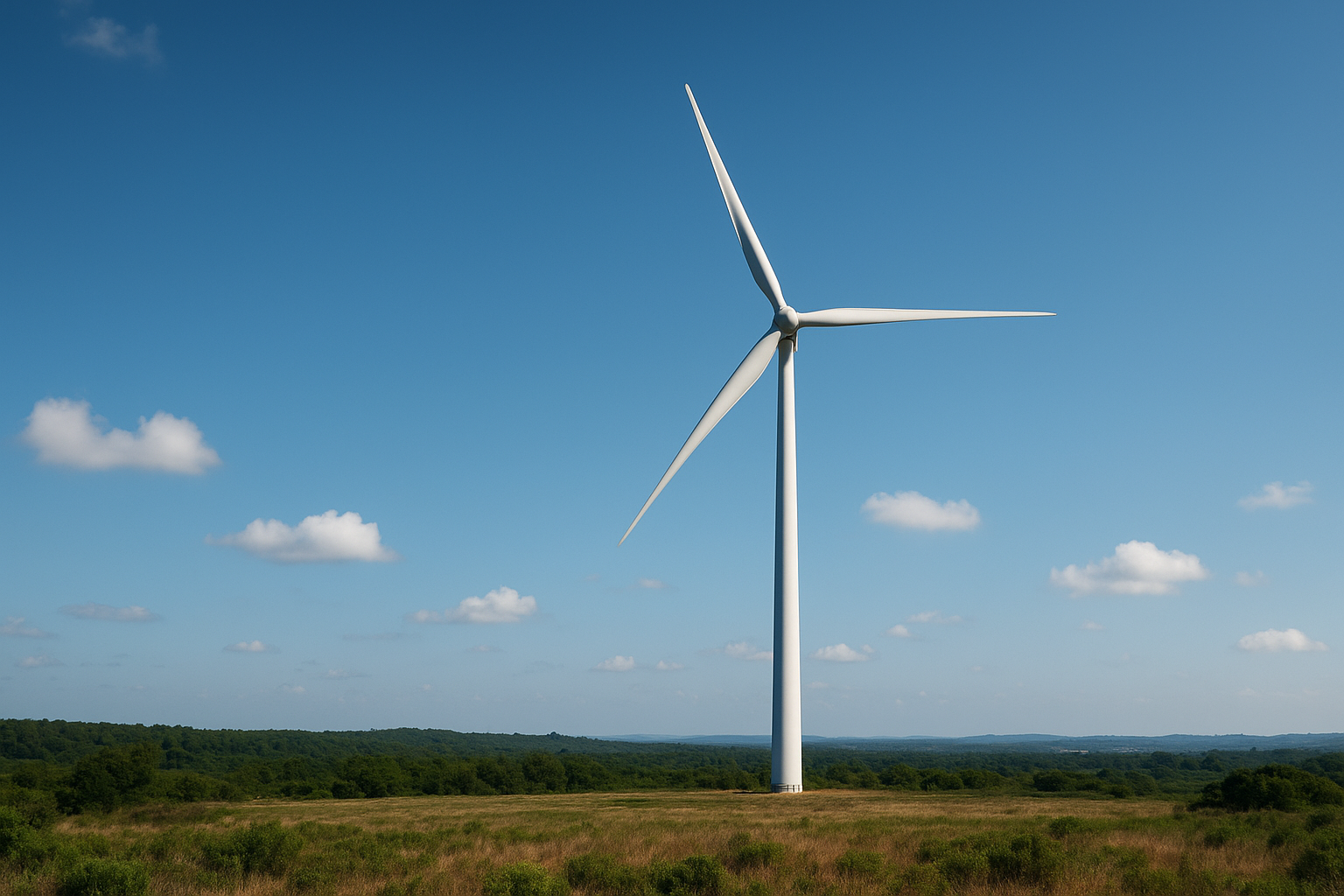
India has set a target to add 7.5–8 gigawatts of wind power capacity in fiscal 2026-27, according to a report by Industrial Info. The announcement frames the coming year as a test of the country’s ability to convert policy goals into on-the-ground installations.
Meeting the target will require active project pipelines and clear auction timelines so developers can mobilise equipment and finance. Supply-chain availability for turbines and components, as well as timely tendering, will influence whether announced ambitions translate into commissioned capacity.
Financing remains a central factor: developers need access to capital on competitive terms and banks must be comfortable with project risk profiles. Equally important are permitting and land-acquisition processes, which can affect project schedules across states and regions.
Grid integration and transmission upgrades are critical to absorb additional wind generation. Adequate transmission capacity, improved forecasting and stronger grid-management practices will reduce curtailment risks and support reliable delivery of new capacity.
Stakeholders including developers, utilities and investors will watch auction designs and policy signals for indications of implementation pace. While the target sets a clear numerical goal, published plans, tender schedules and execution will determine how much capacity is actually commissioned by March 31, 2027.
FAQs
What is India’s wind power capacity addition target for fiscal year 2026-27?
India has set a target to add 7.5–8 gigawatts of wind power capacity in fiscal year 2026-27, as reported by Industrial Info.
When does India’s fiscal year 2026-27 start and end?
India’s fiscal year 2026-27 runs from 1 April 2026 to 31 March 2027.
What factors influence a country’s ability to add wind power capacity quickly?
Key factors include developer pipelines, auction schedules, supply-chain availability for turbines and components, access to financing, permitting processes and grid and transmission readiness.
How do wind power auctions affect capacity additions?
Auctions determine which developers win rights to build projects, the tariffs they receive and project timelines; clear, timely auctions help mobilise equipment, finance and construction.
Why is grid readiness important for adding wind power?
Grid readiness — including transmission capacity, forecasting and grid-management systems — ensures that new wind generation can be evacuated, minimises curtailment and maintains system reliability.
What are common barriers to commissioning wind projects in India?
Common barriers include delays in permits and land acquisition, supply-chain bottlenecks, financing constraints, and insufficient transmission infrastructure to connect projects to the grid.