EV Sales Outpace Petrol Cars as Australians Dodge Soaring Fuel Costs
-2.png&w=3840&q=75)
CleanTech Journal Desk
September 4, 2026•7 min read
News at Glance
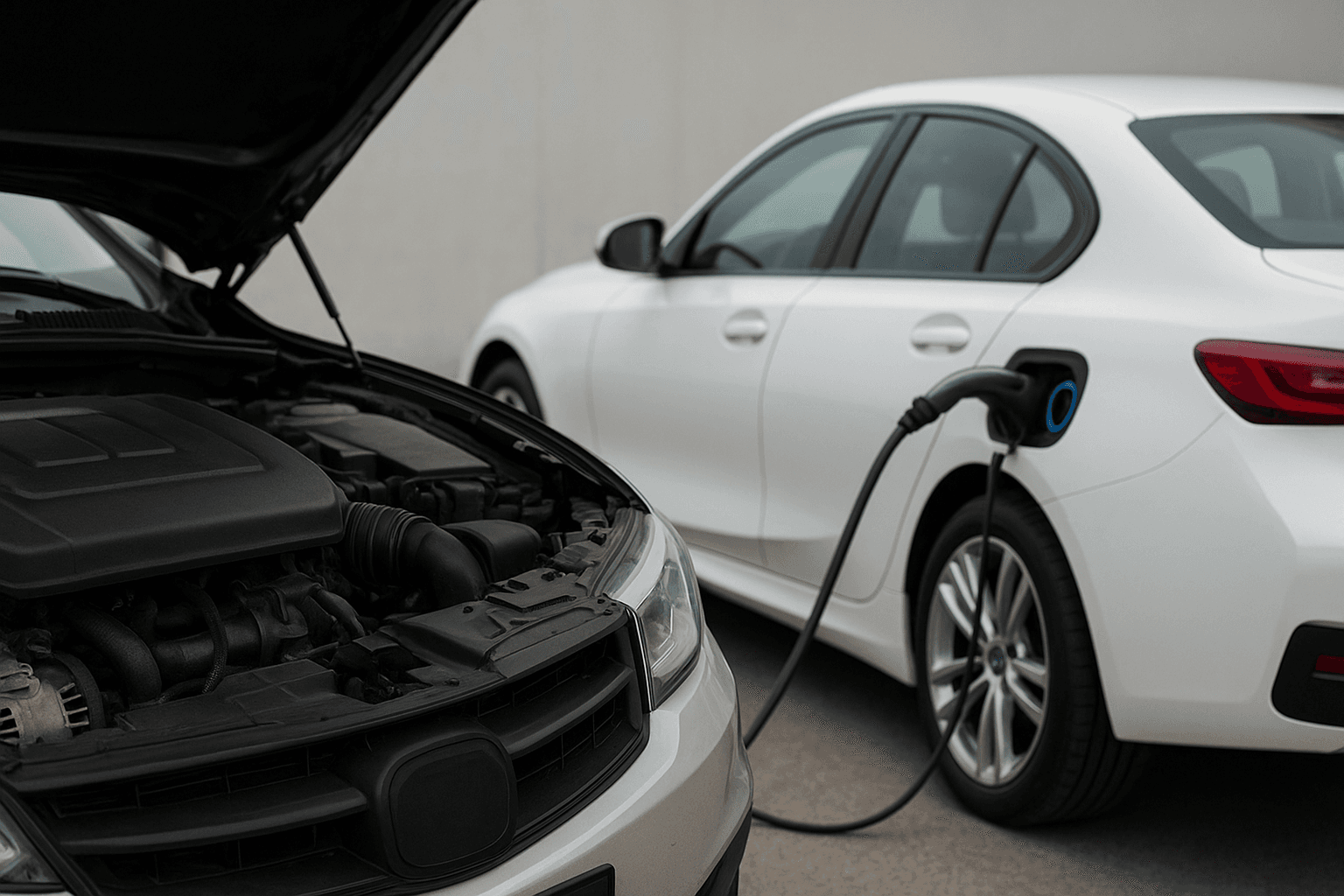
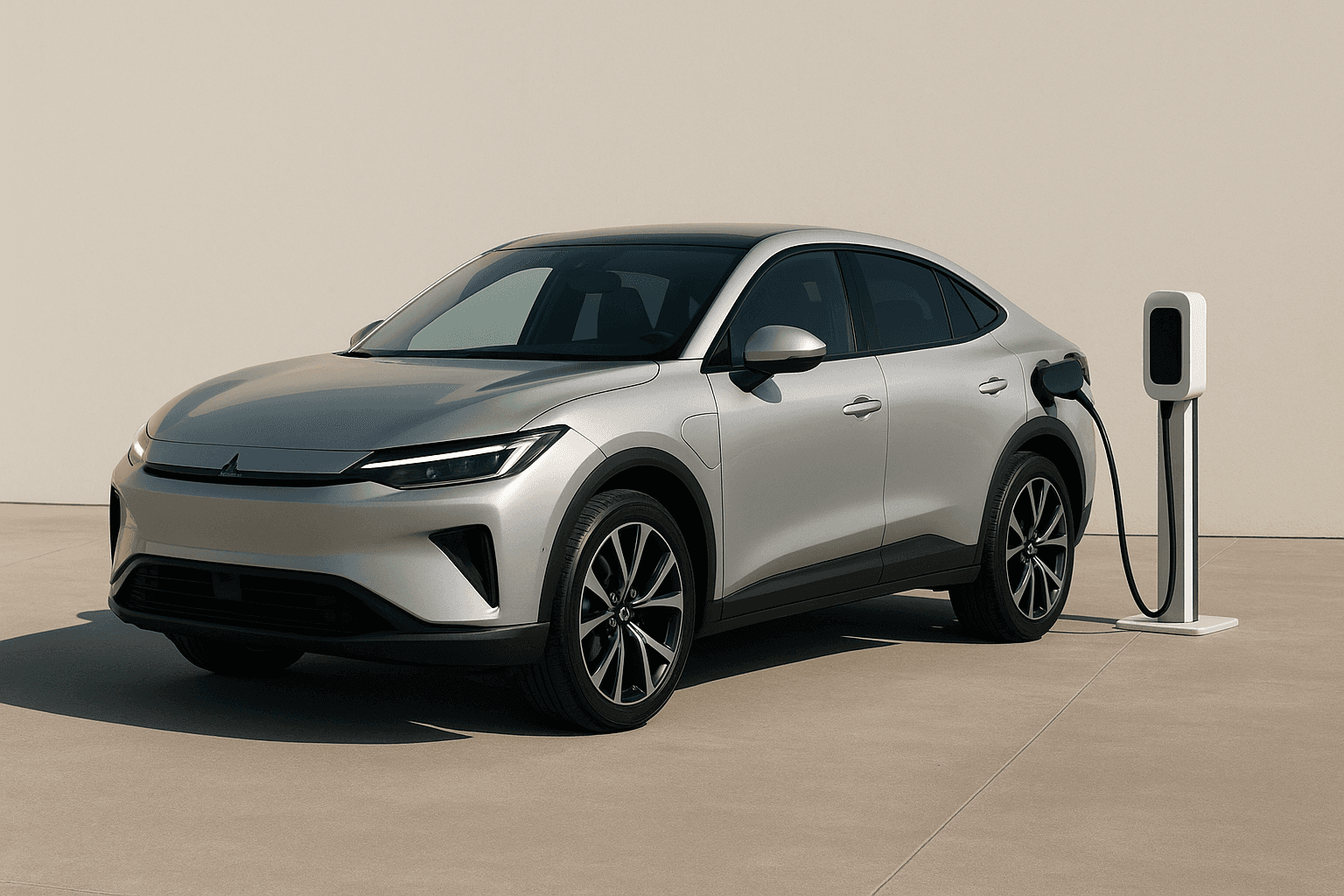
- Electric vehicle sales have surpassed petrol car sales in Australia for the first time.
- Soaring petrol prices are a major factor driving consumers towards EVs.
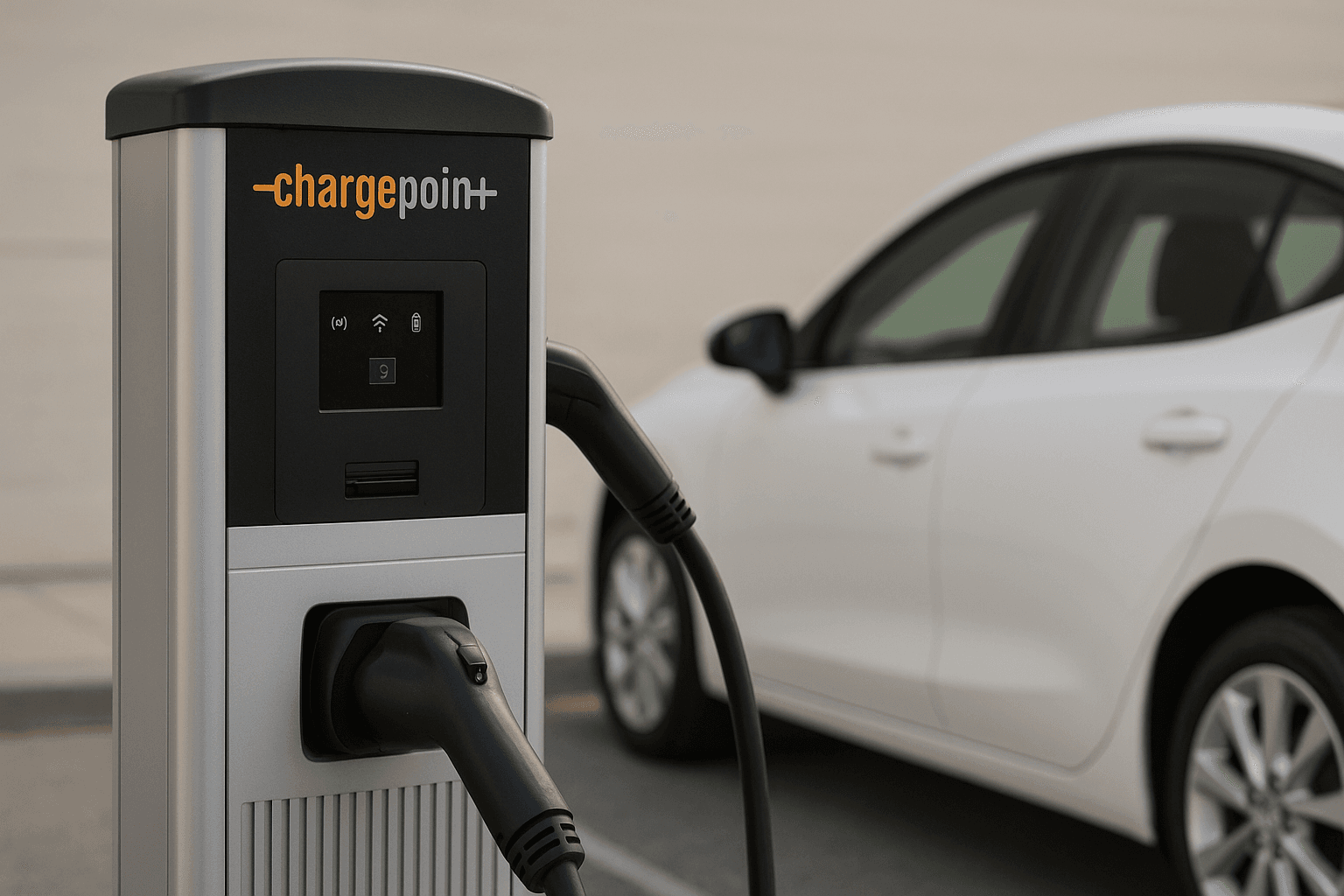
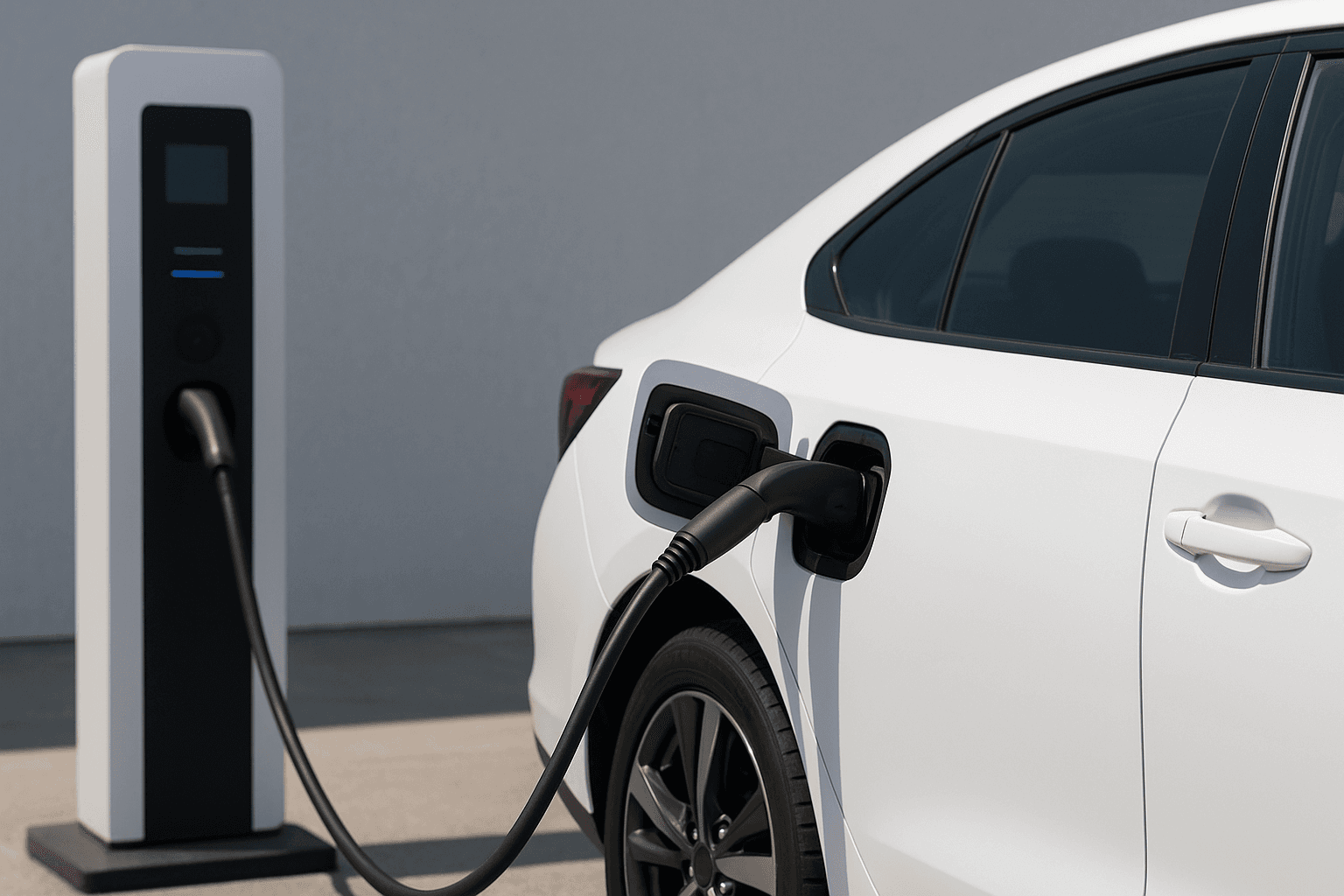
- Rapid uptake is increasing demand for public and home charging infrastructure.
Fuel-Price Pressure Drives Rapid Uptake, Straining Charging and Supply
Australian motorists are increasingly buying electric vehicles as a way to reduce exposure to volatile and elevated petrol costs. Industry observers say the financial calculus of lower running costs is now outweighing lingering concerns about range and resale for many buyers.
Dealerships and used-car markets report heavier interest in EVs, placing new demands on vehicle supply chains and prompting quicker turnover in available stock. The shift is also drawing attention to the capacity of the charging network, with calls for faster rollout of high-power chargers along major routes and in urban centres.
Electric vehicles remove the need for petrol at the tailpipe, but the emissions benefits depend on how electricity is generated. Analysts note that increased EV use will intersect with grid planning, requiring upgrades and smarter load management to avoid local congestion and ensure reliability.
Policy makers and industry groups face renewed pressure to accelerate supportive measures that facilitate ownership and charging access, particularly for residents in apartments and renters. At the same time, questions remain about affordability for lower-income households and the readiness of second-hand EV markets to meet broader demand.
Manufacturers and charging providers are expected to respond with expanded model availability and investments in public charging, though those shifts typically take months to materialise. For consumers, vehicle total-cost-of-ownership calculations are becoming a decisive factor in purchase decisions.
FAQs
Why are Australians switching from petrol cars to electric vehicles?
Many buyers are reacting to higher petrol prices and the prospect of lower running and maintenance costs with electric vehicles, alongside improving model availability and charging options.
How does higher petrol prices affect the cost of owning a petrol car compared to an EV?
Rising petrol prices increase the fuel portion of petrol-car running costs, while EVs typically have lower per-kilometre energy costs and reduced routine maintenance, shifting the lifetime cost balance for many owners.
What charging infrastructure is needed as EV sales grow?
Expansion of public fast chargers on highways, more workplace and destination chargers, and easier home charging installations are commonly needed to support wider EV adoption.
Are used electric vehicles more affordable than new ones in Australia?
Used EVs can offer lower upfront costs than new models, but buyers should consider battery condition, warranty status and the availability of service and parts when comparing prices.
Can electric vehicles reduce transport emissions in Australia?
EVs eliminate tailpipe emissions, and their overall emissions impact improves as the electricity grid decarbonises; lifecycle emissions depend on vehicle production and the power mix used for charging.
How can drivers prepare for switching to an electric vehicle?
Prospective EV buyers should assess daily driving needs, home charging options, access to public chargers, and total-cost-of-ownership factors such as energy rates and maintenance expectations.