News at Glance
- New wind site may add solar and batteries to increase firm power and revenue options.
- National market under strain as Romania grapples with tighter supplies and volatile wholesale prices.
- Hybrid projects could improve grid flexibility by smoothing output and offering ancillary services.
Developer weighs hybrid expansion to support tight national supply
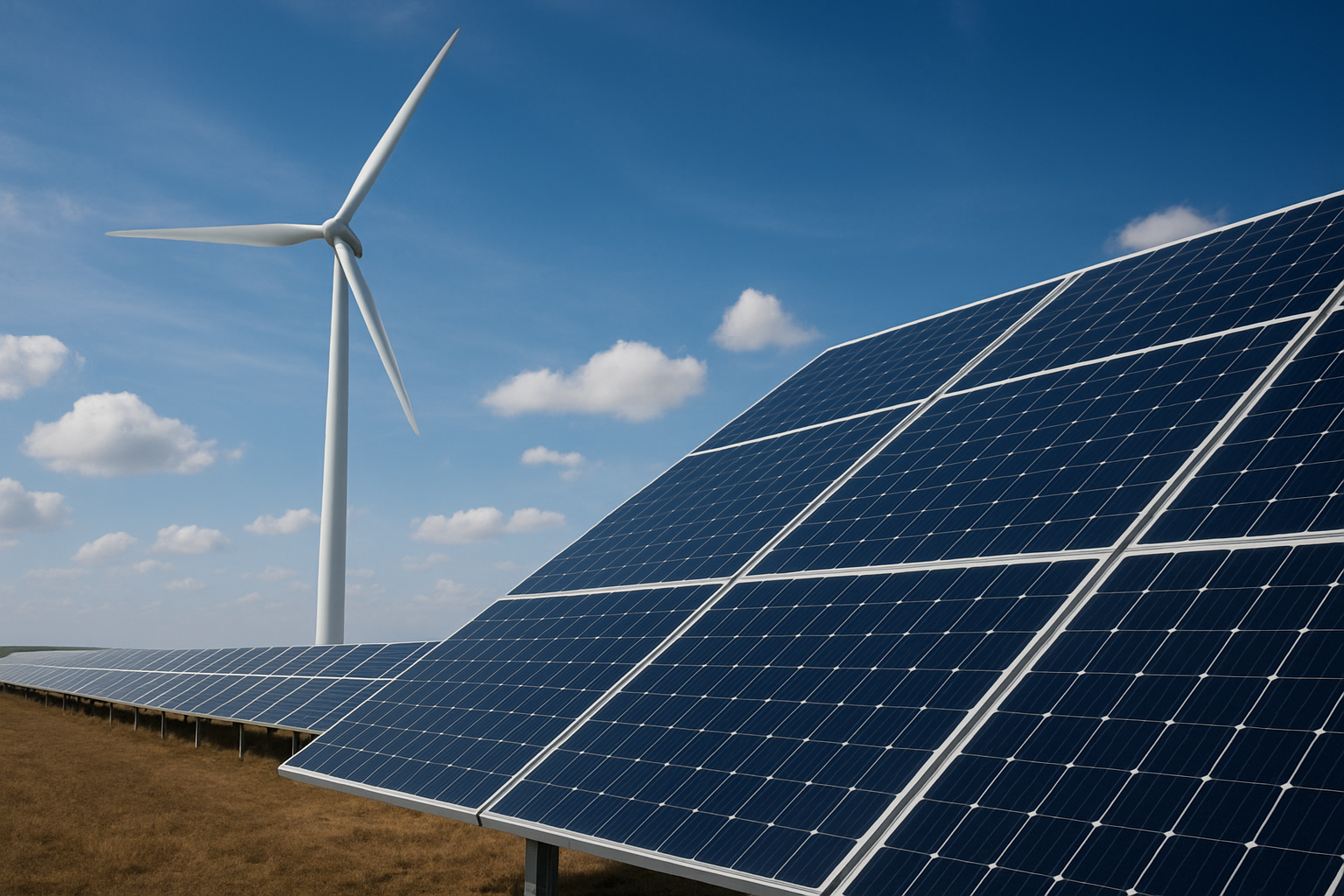
Romania’s newest wind farm is exploring expansion with onsite solar photovoltaic panels and battery energy storage to help address a tightening national power market. The potential addition follows rising concerns about supply adequacy and price volatility in the region.
Project backers say integrating solar and storage with wind can reduce hourly output variability and create new revenue streams through energy arbitrage and grid services. Hybrid configurations are increasingly seen across Europe as a way to increase the value of renewable assets without building new transmission.
Analysts note that combining technologies can cut curtailment and improve the ability of generators to respond to peak demand. Batteries in particular can provide short-term capacity, frequency response and ramping support that complement variable wind production.
However, adding solar and storage to an operational wind site requires additional permits, grid connection agreements and financing clarity. Developers must also evaluate market rules that determine how storage is classified and compensated for services.
Costs for solar panels and batteries have fallen over recent years, improving project economics, but final investment decisions typically hinge on long-term price signals, grid access and regulatory certainty. Siting, land use and environmental assessments also shape timelines.
The move mirrors a broader European trend toward hybrid renewable projects to increase system flexibility and resilience. For countries facing supply tightness, such hybrids offer a way to maximise generation from existing assets while helping stabilise the grid.
FAQs
What is a hybrid wind-solar-storage project?
A hybrid wind-solar-storage project co-locates wind turbines, solar panels and battery systems at the same site so the technologies can be operated together to smooth output and share grid connection infrastructure.
How does battery storage help a wind farm operate more effectively?
Battery storage can absorb surplus generation, deliver power during lulls in wind, provide frequency regulation and enable time-shifting of energy to periods of higher prices or demand.
Why might a country like Romania consider hybrid renewable projects now?
Countries facing tighter electricity supplies and volatile prices can use hybrid projects to increase local flexibility, reduce reliance on imports, and better match renewable output with demand.
What approvals are typically needed to add solar panels and batteries to an existing wind farm?
Developers usually need additional construction permits, environmental clearances, and updated grid connection agreements; specific requirements depend on national and local regulations.
How long does it take to add solar and storage to an operating wind site?
Timelines vary widely: design, permitting and procurement can take several months to a few years depending on complexity, regulatory processes and supply chain availability.
Can hybrid projects improve revenue for renewable plant owners?
Yes. By reducing curtailment, enabling energy time-shifting and providing grid services, hybrids can open new revenue streams and improve overall project economics, subject to market rules and tariffs.