Adani has secured a transmission contract in Andhra Pradesh to support the development of a green hydrogen hub, according to public reports. Details released so far are limited, but the award signals growing private-sector engagement in the infrastructure needed for large-scale hydrogen production.
Overview
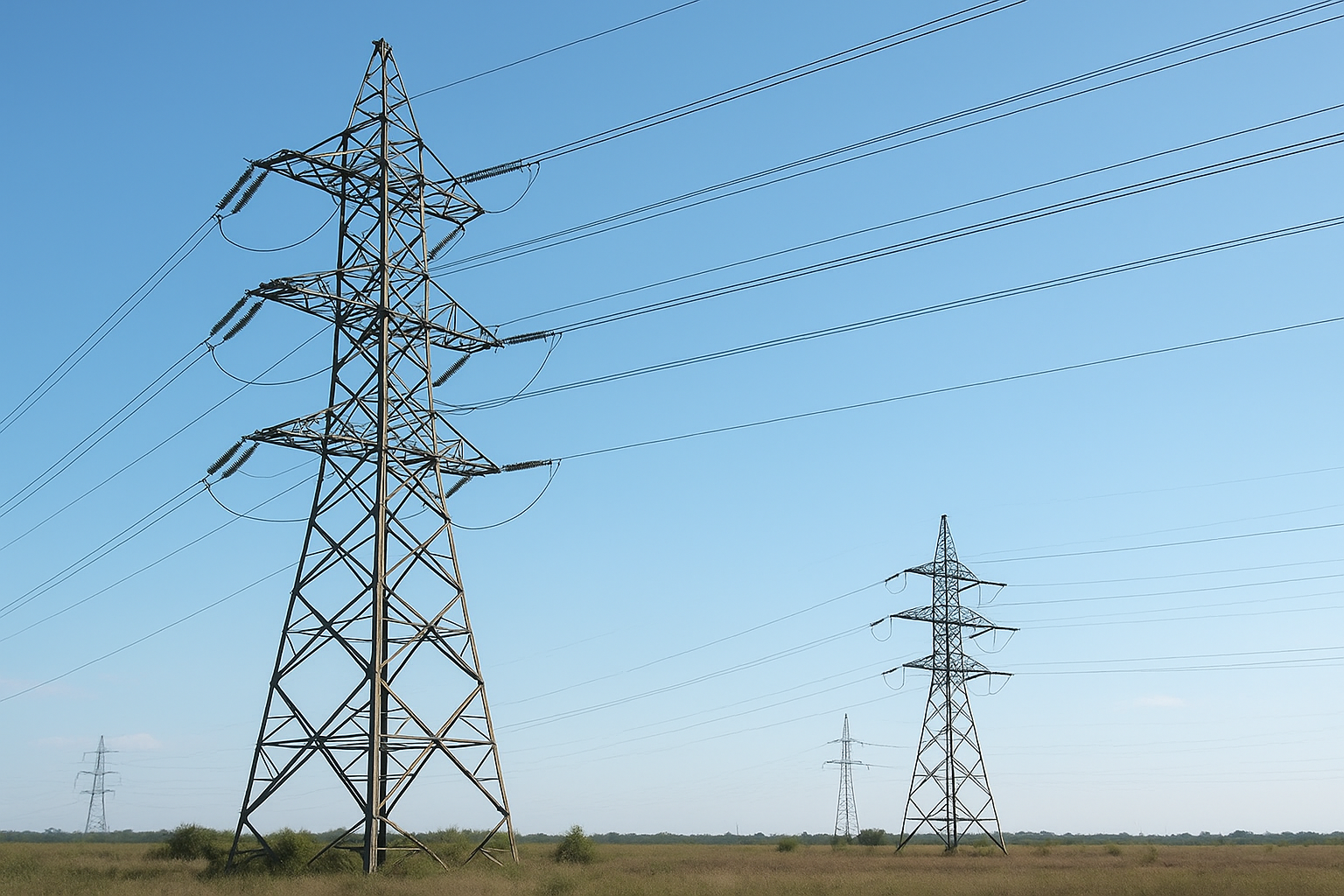
The awarded contract pertains to transmission infrastructure intended to evacuate renewable power and connect supply to facilities that will produce green hydrogen. Such infrastructure typically includes lines, substations and grid reinforcements required to reliably deliver electricity from renewable generators to electrolysers.
Public information on the project’s technical scope, capacity, financial terms and delivery schedule has not been disclosed. Further specifics are expected to follow as project planning and implementation proceed.
Why This News Matters
Transmission works are a foundational element for any green hydrogen initiative because electrolysers require large, steady volumes of renewable electricity. Without adequate grid connections, hydrogen projects cannot reach commercial scale or operate cost-effectively.
The engagement of prominent private companies in transmission for hydrogen development reflects a shift from isolated pilot projects to infrastructure-driven growth, which is necessary to attract investment in electrolysers and associated supply chains.
Industry Perspective
Industry observers note that securing transmission capacity is often a gating factor for hydrogen projects. Developers must synchronise generation, grid reinforcement and electrolyser deployment to ensure project viability.
Key challenges in such projects include land acquisition, permitting timelines, system stability when integrating variable renewables, and ensuring contractual clarity between power suppliers, grid operators and hydrogen producers.
Future Outlook
Successful delivery of the transmission works would pave the way for renewable generators and electrolyser operators to co-locate or connect efficiently, potentially lowering hydrogen production costs over time. Market players will watch subsequent announcements on generation capacity, offtake agreements and electrolyser procurement.
How quickly the hub scales will depend on regulatory approvals, financing arrangements and the wider availability of low-cost renewables in the region. Coordination between state authorities, grid operators and project sponsors will be critical to meet timelines and ensure system reliability.
Key Highlights
- Project award: Adani has been named the winner of a transmission contract linked to a green hydrogen hub in Andhra Pradesh.
- Purpose: The works aim to enable the flow of renewable electricity to hydrogen production facilities.
- Details pending: Technical scope, capacity and financial terms have not been publicly disclosed.
- Infrastructure focus: Transmission and grid reinforcement are critical enablers for scaling green hydrogen.
- System needs: Successful deployment will require coordination across generation, transmission and electrolyser deployment.
Frequently Asked Questions
What is green hydrogen?
Green hydrogen is hydrogen produced by electrolysing water using electricity generated from renewable sources such as solar or wind, resulting in minimal lifecycle carbon emissions compared with hydrogen from fossil fuels.
Why does a hydrogen hub need transmission infrastructure?
Electrolysers require significant and reliable electricity supply. Transmission infrastructure connects renewable generation to hydrogen production sites, allowing large volumes of low-carbon electricity to be delivered where needed.
Which company won the contract?
Public reports identify Adani as the awardee of the transmission contract tied to the Andhra Pradesh green hydrogen hub. Specific subsidiary details were not disclosed in the reports available at the time of publication.
Are the project’s technical and financial details public?
No. Available reporting indicates that detailed information on capacity, technical scope, timelines and contract value has not been made public yet.
How will this project affect renewable energy development locally?
Enhanced transmission capacity can unlock new renewable projects by providing a route for power to reach high-demand users like electrolysers, potentially stimulating additional investment in generation and storage in the region.
What are the next steps for this transmission project?
Next steps typically include finalising technical designs, securing permits and land, arranging financing and coordinating with generators and electrolyser developers. Timelines will depend on those processes and further announcements from project stakeholders.