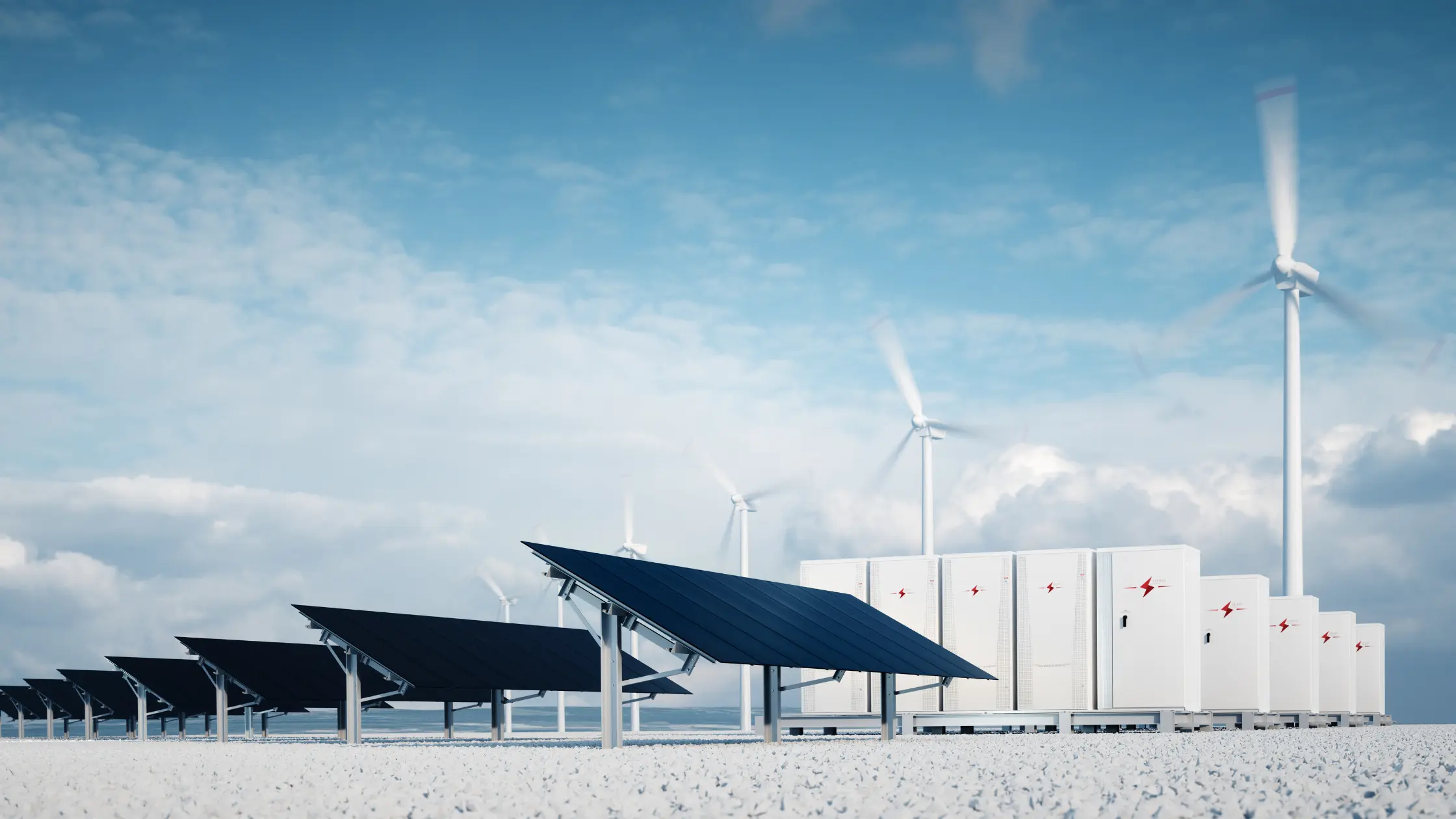
Global renewable energy capacity is projected to more than double by 2031, reaching approximately 8,430 gigawatts, according to a new report by Research and Markets, highlighting the accelerating shift in the global power landscape.
Installed renewable capacity stood at around 4,107 GW in 2025 and is expected to grow by an additional 4,323 GW over the next six years. The expansion is being driven primarily by solar photovoltaic (PV) growth, which has emerged as the largest source of renewable electricity globally.
In 2025, solar PV generation reached 2,800 terawatt-hours, surpassing wind energy, which generated 2,770 TWh. The Asia-Pacific region continues to dominate installations, with China leading the global expansion across both solar and wind segments.
The report points to strong investment opportunities across the renewable energy value chain, supported by favorable policy frameworks, technological advancements, and rising demand for clean electricity. It also highlights increasing activity in mergers and acquisitions, venture financing, and innovation trends across the sector.
Major global energy players, including NextEra Energy, Iberdrola, Enel, and Ørsted, are expected to play a key role in scaling renewable deployment, alongside equipment manufacturers such as Vestas and First Solar.
Beyond generation capacity, the report underscores the importance of policy, supply chains, and grid infrastructure in sustaining growth. It also flags evolving regulatory dynamics, including tariffs and localization measures, as key factors shaping future investments.
As countries accelerate decarbonization efforts, renewables are increasingly becoming central to energy security strategies, positioning the sector for sustained long-term growth.