Introduction
A recent report states that India is targeting an additional one million tonnes of green hydrogen-based ammonia through an auction mechanism. The development underscores growing policy interest in scaling low-carbon ammonia production to meet domestic demand and potential export markets.
Overview
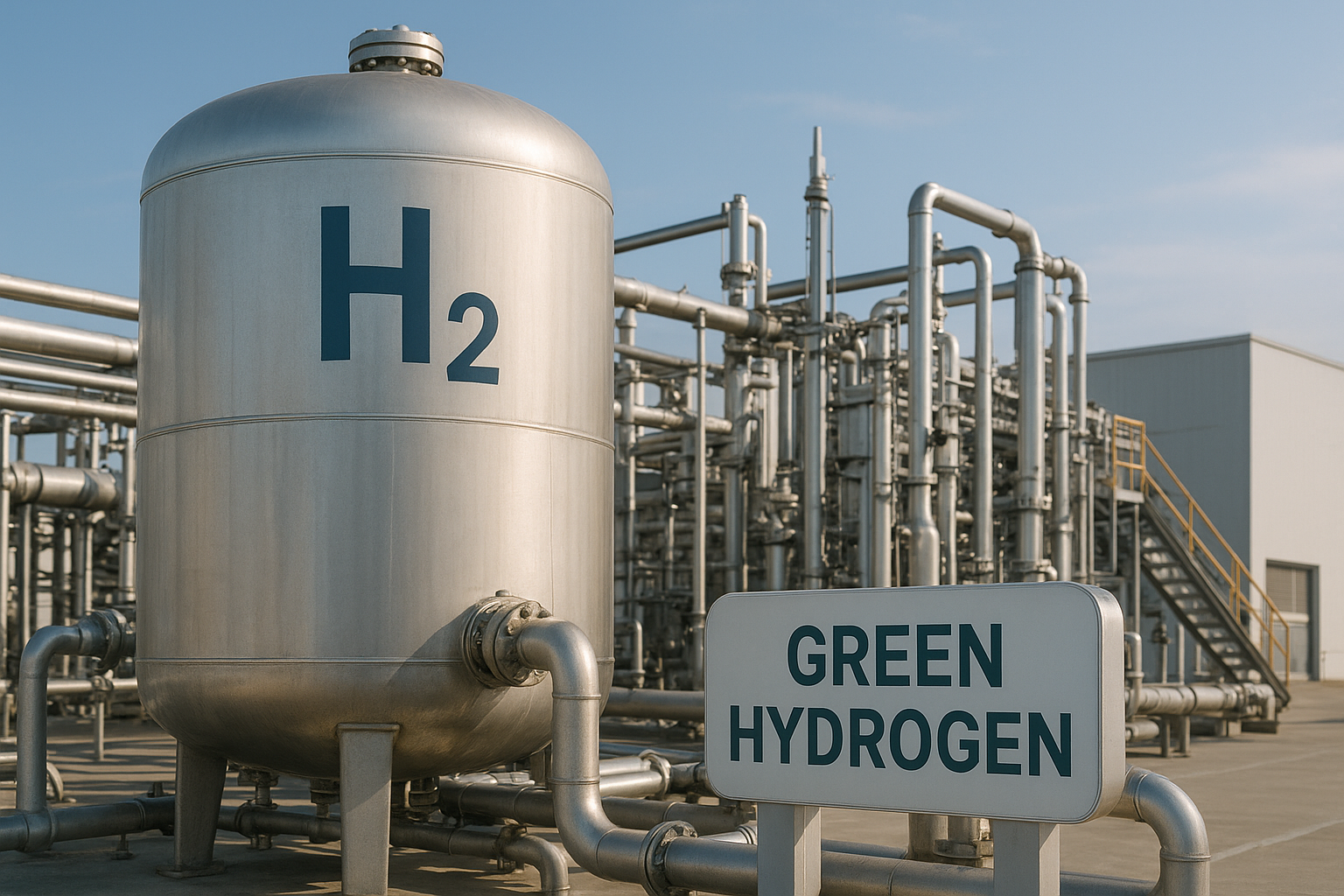
The reported plan would use competitive procurement to secure supplies of ammonia produced using green hydrogen, typically generated by electrolysing water with renewable electricity. Auctions are increasingly favoured by governments to discover market-based prices and mobilise private investment for new technologies.
Green hydrogen-based ammonia can replace fossil-derived ammonia in sectors such as fertiliser manufacture and shipping fuels. Because ammonia carries hydrogen in a denser and more transportable form, it is an important vector for decarbonising hard-to-abate industries.
Why This News Matters
Scaling green ammonia is central to broader decarbonisation goals. Securing large, contracted volumes via auctions can lower production risk for developers, encourage construction of electrolysers and renewable capacity, and help establish long-term offtake arrangements.
For India, which has substantial fertiliser demand and ambitious renewable-energy targets, fostering a domestic green ammonia supply chain could reduce import dependencies and stimulate local manufacturing of critical components such as electrolysers.
Industry Perspective
Industry participants generally view auction-based procurement as a catalyst for project development, provided the auction design balances price discovery with deliverability. Effective auctions typically include clear timelines, credit support mechanisms and realistic delivery requirements to attract investment.
Key commercial considerations include access to low-cost renewable power, availability of water for electrolysis, logistics for ammonia storage and transport, and the maturity of electrolyser supply chains. Developers and lenders will closely watch auction terms to assess project bankability.
Future Outlook
If implemented at scale, further auctions may accelerate cost reductions in green hydrogen and ammonia through increased production, learning effects and supply-chain expansion. Auction outcomes could inform subsequent policy decisions on incentives, infrastructure and export strategies.
However, translating auction targets into delivered volumes depends on several variables: clarity of regulations, grid integration of renewables, financing conditions and the pace of electrolyser manufacturing. Policymakers and market participants will likely need to coordinate to address these interlinked challenges.
Key Highlights
- Auction-based approach: Reported use of competitive procurement to secure green ammonia volumes.
- Scale targeted: An additional one million tonnes of green hydrogen-derived ammonia is the stated objective.
- Supply-chain impact: Auctions aim to stimulate electrolyser deployment and renewable power integration.
- Decarbonisation potential: Green ammonia can reduce emissions in fertiliser production and shipping fuel supply chains.
- Execution challenges: Project deliverability will hinge on financing, infrastructure and regulatory clarity.
Frequently Asked Questions
What is green hydrogen-based ammonia?
Green hydrogen-based ammonia is ammonia produced by combining nitrogen with hydrogen that is generated by electrolysis powered by renewable electricity. The production avoids fossil fuel feedstocks and can significantly reduce lifecycle emissions compared with conventional ammonia manufacture.
How do auctions for green ammonia work?
Auctions typically invite bids from suppliers to provide a specified quantity of product at a proposed price and delivery timeline. Well-designed auctions set clear technical and financial criteria to ensure successful bidders can deliver contracted volumes.
Why is one million tonnes a significant target?
A million tonnes represents a meaningful scale that can justify investments in electrolysers and renewable capacity. Large contracted volumes can help lower per-unit costs through economies of scale and attract broader industry participation.
What sectors would benefit from green ammonia?
Major beneficiaries include fertiliser manufacturing, where ammonia is a feedstock, and maritime shipping, where ammonia is being explored as a zero‑carbon fuel. Green ammonia also plays a role as a hydrogen carrier for transport and seasonal energy storage.
What are the main challenges to delivering auctioned volumes?
Challenges include securing competitive renewable power, building sufficient electrolyser capacity, ensuring water availability, developing storage and transport infrastructure, and obtaining project financing under realistic risk allocations.
Who are likely participants in such auctions?
Potential participants include energy companies, fertiliser producers, industrial gas suppliers, and project developers that can integrate renewable power, electrolysis and ammonia handling. Financial institutions and offtakers may also be involved through long-term contracts.