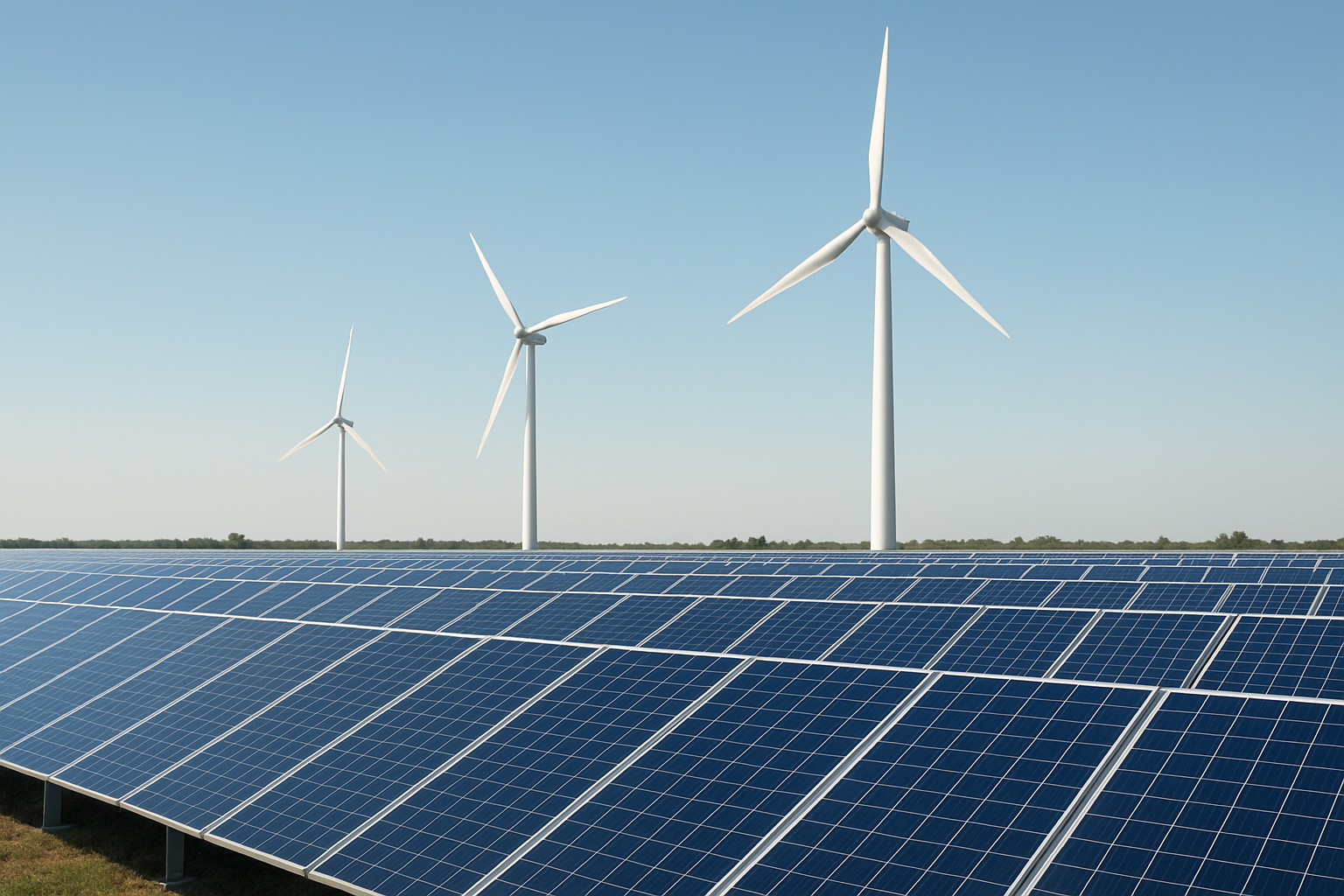
The Press Information Bureau (PIB) has reported that India has achieved 300 gigawatts of installed non-fossil fuel power capacity. The announcement marks a milestone in the country’s shift away from coal-fired generation toward cleaner sources of electricity.
Overview
The 300 GW figure refers to cumulative installed capacity from sources that do not rely on fossil fuels. Such sources typically include renewable energy technologies, nuclear power and large hydroelectric installations.
While capacity is not a direct measure of generation, the milestone reflects sustained additions to the non-fossil fleet and ongoing prioritisation of low-carbon resources in India s power mix.
Why This News Matters
Hitting 300 GW in non-fossil capacity is an indicator of scale in the transition to cleaner electricity. It signals growing investor confidence and demonstrates the ability to deploy large projects across varied geographies and technologies.
The development also has system-level implications. As more variable resources come online, planners and operators must address issues such as grid stability, forecasting accuracy and the need for flexible balancing resources.
Industry Perspective
Project developers and utilities benefit from the expanding market for renewable energy, but they also face growing complexity. Integrating diverse generation types requires upgraded transmission, new market mechanisms and closer coordination between stakeholders.
Financial players view capacity milestones as validation of long-term demand for clean energy assets. At the same time, developers must contend with land access, supply-chain dynamics and local permitting processes that can affect project timelines.
Future Outlook
Achieving this level of capacity establishes a platform for further decarbonisation efforts, but it is not an endpoint. Meeting future climate and energy goals will depend on deploying storage, enhancing transmission, and improving planning to accommodate higher shares of variable generation.
Policy measures, market reforms and investment in grid infrastructure will be critical to convert installed capacity into reliable, affordable clean power for consumers across India.
Key Highlights
- Milestone announced by PIB: The milestone was reported by the Press Information Bureau, underscoring official recognition of the capacity achievement.
- Scale of non-fossil capacity: The declaration identifies 300 GW of installed capacity that does not rely on fossil fuels.
- Implications for investors: The milestone reinforces demand signals for clean energy financing and project development.
- System integration needs: Greater emphasis on grid flexibility and storage will be required as capacity from variable sources grows.
- Policy and planning focus: Continued progress will hinge on transmission upgrades, market design and supportive regulatory frameworks.
Frequently Asked Questions
What does non-fossil fuel power capacity include?
Non-fossil fuel capacity generally includes renewable energy technologies such as solar and wind, as well as nuclear power and large hydroelectric plants. These sources generate electricity without burning coal, oil or gas.
Is capacity the same as electricity generation?
No. Capacity is the maximum potential output that a plant can produce under specific conditions, while generation is the actual electricity produced over time. Variable resources may not operate at full capacity continuously.
Why is achieving 300 GW significant?
Reaching 300 GW signals substantial cumulative deployment of non-fossil resources, reflecting policy support, investment activity and technical progress in clean energy technologies. It is a marker of scale rather than a measure of emissions or reliability on its own.
What challenges arise as non-fossil capacity grows?
Key challenges include integrating variable output into the grid, ensuring adequate transmission capacity, securing financing for complementary infrastructure like storage, and modernising market and operational practices.
How can grid operators manage variable renewable energy?
Operators can use a mix of measures such as improved forecasting, demand response, energy storage, flexible conventional plants, and strengthened transmission to balance supply and demand when renewable output fluctuates.
What role do policy and investment play going forward?
Policy and investment are essential to scale supporting infrastructure, incentivise storage and flexibility, streamline project delivery, and maintain investor confidence. Coordinated action will be needed to translate capacity into reliable, low-carbon power for consumers.