
News at Glance
- U.S. car-buying preferences for larger vehicles and pickups are affecting EV uptake patterns.
- Charging access and housing patterns—including limited multi-family solutions—are slowing mass adoption.
- Policy and market incentives vary regionally, shaping an EV transition that differs from other major markets.
Large-vehicle demand and patchy infrastructure shape adoption
Automakers worldwide are investing heavily in electrification, but the U.S. market shows distinct dynamics that complicate a straight-line transition to battery vehicles.
Consumer preference for larger cars, SUVs and pickup trucks in the United States means EV offerings and charging strategies differ from markets where smaller passenger cars dominate. That vehicle mix affects product planning, grid needs and the speed of consumer acceptance.
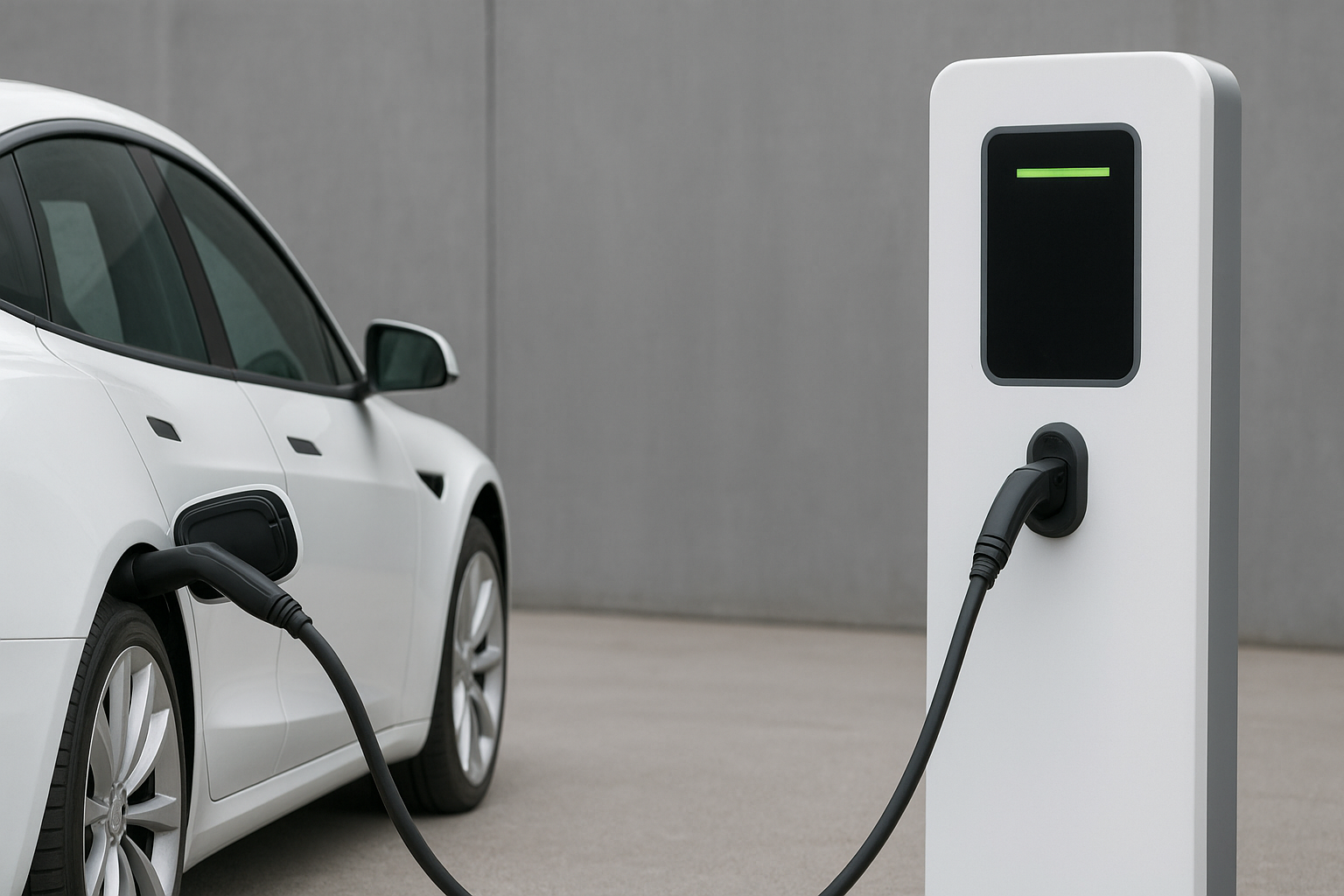
Charging infrastructure remains uneven geographically and by housing type. Urban single-family homes often have easier access to private charging than renters in multi-family buildings, which can limit first-time EV buyers in dense metro areas.
Fuel price patterns and total-cost-of-ownership calculations also play a role. Where gasoline is relatively inexpensive or where the resale market for EVs is less mature, prospective buyers may weigh benefits differently than consumers in other countries.
Government incentives, utility programmes and private investment are attempting to close gaps, but variation across states and municipalities produces a fragmented policy environment. That patchwork influences where and how quickly EV adoption accelerates.
For manufacturers, dealers and policymakers, the U.S. situation requires tailored approaches: larger battery platforms for trucks and SUVs, expanded public fast charging along key corridors, and targeted measures to serve renters and underserved communities.
How these elements align will shape whether the U.S. converges with global EV trends or continues as an outlier with its own pace and profile of electrification.
FAQs
Why is the United States described as an EV market outlier?
Distinct consumer preferences, housing patterns and a varied policy landscape create adoption dynamics that differ from other major markets.
How do vehicle preferences affect EV adoption?
Higher demand for larger vehicles and pickups in the U.S. changes the types of EVs needed and raises different technical and charging requirements than markets dominated by smaller cars.
Does charging infrastructure limit EV growth?
Uneven public charging coverage and limited options for residents of multi-family housing can constrain potential buyers, slowing broader uptake.
Can policy incentives accelerate U.S. EV adoption?
Incentives help, but regional variation and implementation details influence their effectiveness in reaching diverse consumer groups.
What role do automakers play in addressing the gap?
Manufacturers must adapt product mixes, invest in charging partnerships and work with policymakers to align vehicles and infrastructure with local demand.
Will the U.S. eventually match other markets’ EV adoption rates?
It depends on coordinated progress on vehicle availability, charging access, resale markets and policy consistency; outcomes will vary by region and segment.