Decarbonization That Works: Connecting Systems and Scaling Success
Decarbonization works best as a connected system. Environmental scientist Mike Dieterich explains how heat reuse, RNG, electrification and resilient buildings fit into a staged roadmap.
Published •10 min read
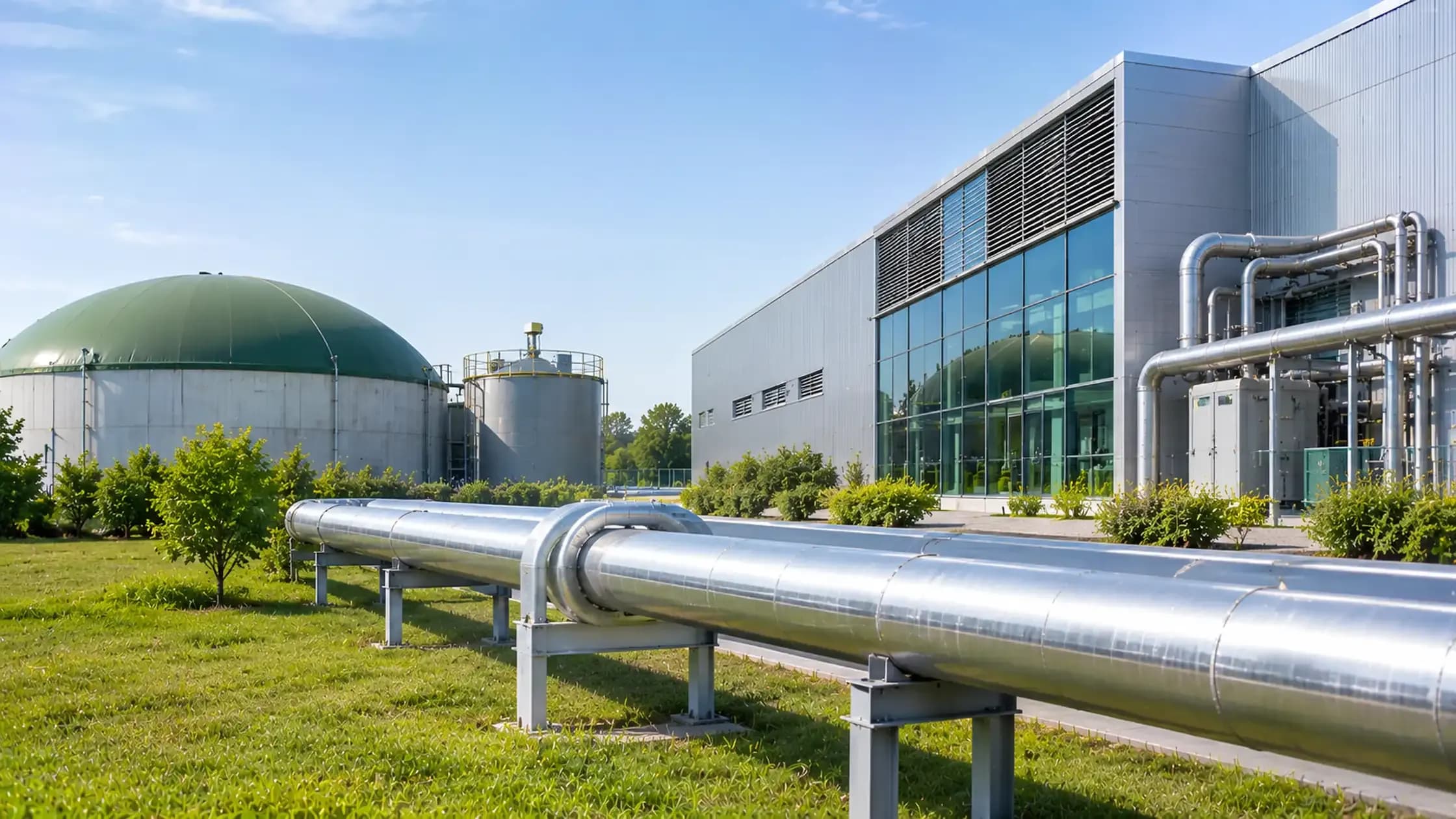
Decarbonization is a systems opportunity. Connect solutions across industries and borders, and individual projects become part of a strategy that reduces costs, strengthens infrastructure, and creates more resilient communities. First understand where these connections create value, establish a roadmap, and scale the approaches that deliver results.
Decarbonization That Works: From Targets to Results outlines five steps. Understand. Prioritize. Execute. Verify. Scale. Understand what an operation needs and how its systems interact. Prioritize investments against costs, emissions, and operating requirements. Assign responsibility and resources to execute. Verify performance against the baseline. Use these results to scale solutions.
Connect Businesses Through Infrastructure
Data centers are being built, and they produce heat continuously. We have an opportunity to develop industry around this resource. Before selecting a location, identify nearby industrial areas, hospitals, and buildings that can use the excess heat. Plan how the development supplies computing capacity and useful energy to the community around it.
Amazon’s Seattle office campus demonstrates this connection. Water carrying heat from the neighboring Westin Building Exchange data center arrives at approximately 65 degrees Fahrenheit. Heat reclaiming equipment raises it to approximately 130 degrees for building heating. Underground pipes connect the properties, and cooled water returns to the data center. Amazon describes a system designed to serve approximately five million square feet of office space.
A hospital or manufacturer presents a similar opportunity when its requirements match the available resource. Space heating and hot water need different temperatures from industrial steam. Matching these requirements with available heat establishes how much purchased energy the connection displaces, and which applications need additional heating.
Bring manufacturing into this development plan and make it part of city planning. A food processor needs heat, produces organic residues, and ships products. Locate compatible production near energy resources, waste processing, and customers, and we connect several business needs in one place. Recovered heat supplies production. Organic residues become fuel feedstock. Shorter transportation routes bring production closer to consumption.
Products and packaging also return through these regional networks for repair, reuse, and material recovery. Consistent material quality and dependable collection give manufacturers a supply they can use. These connections build a circular economy around actual supply and demand.
This also address Scope 3, the indirect emissions across an organization’s value chain, including purchased materials, transportation, and product use and disposal. Supplier specific data allows customers to reflect verified product emissions reductions in their own inventories.
Coordinate Today’s Assets with Tomorrow’s Technology
A decarbonization roadmap starts with understanding the energy needs, the equipment delivering it, and the resources available around it. Anaerobic digestion connects food processing and agricultural residues with industrial fuel demand. The resulting biogas is upgraded to renewable natural gas (RNG), which displaces fossil natural gas in suitable existing equipment.
AstraZeneca’s agreement with Vanguard Renewables commits to 650,000 MMBtu of RNG annually over more than 15 years. The commitment supported three new on-farm anaerobic digesters. AstraZeneca secured supply, and the purchasing agreement provided revenue certainty to finance new production. An industrial decarbonization commitment creates infrastructure that connects agricultural waste with energy demand.
RNG forms part of AstraZeneca’s broader program, which delivered a 98% reduction by the end of 2026, reduction in Scope 1 and 2 emissions, covering direct emissions from operations and vehicles and indirect emissions from purchased energy, against a 2015 baseline.
Electrification is the first option we evaluate, alongside energy, water, and waste improvements that reduce demand and annual operating costs. Reducing demand changes how much fuel the facility purchases, the equipment it needs, and the electrical capacity required for replacement. These savings improve the economics of the transition.
Replacing industrial gas boilers with electrode boilers can double electrical demand. Then we have emerging technology like heat pump boilers. At a coefficient of performance of two, a heat pump boiler supplies the same useful heat as an electrode boiler using half the electricity.
When the replacement technology can fit within existing electrical capacity, the business avoids a utility upgrade, this is where we synergize and strategize the technology or infrastructure needs development in a 5, 10, and 25 year staged roadmap. This provides time to pilot equipment, verify results, and prepare for replacement and scale the best and most affordable approaches. RNG reduces emissions from suitable existing assets during this period. The roadmap connects near term reductions with the technology that follows.
Refrigerants provide another example of measurable progress. Weis Markets’ Randolph grocery store opened in 2018 with CO₂ refrigeration. Comparable stores using three other configurations consumed between 32% and 86% more electricity. The book’s case reports estimated avoided annual refrigerant emissions of 673 metric tons of CO₂ equivalent.
The company’s broader leak reduction program separately saved more than $2 million. Randolph’s performance supported further CO₂ installations. Measurement establishes the opportunity, operating results demonstrate the value, and these results support expansion across the business.
Build Zero Carbon and Resilience into the Same Investment
Zero carbon, net zero energy buildings are being delivered at the same price point as conventional construction. McKinstry’s 159,000 square foot Catalyst building in Spokane demonstrates how these goals come together through the envelope, shared energy, materials, and construction methods.
Insulation and air sealing reduce heat loss, lowering heating and cooling requirements. Reduced demand allows equipment to be sized around a smaller load. Shared campus systems transfer thermal energy between buildings, spreading infrastructure costs and using heat where it is needed.
Timber structures address embodied carbon which is the carbon emissions associated with producing, transporting, and installing building materials. Coordinated assembly of mechanical, electrical, and other systems reduces installation waste. These savings contribute to the complete building investment and support Catalyst’s zero energy, zero carbon, and zero premium objectives.
The same systems thinking strengthens resilience. The envelope retains heat during cold conditions, daylighting keeps spaces usable, and battery backup supports core systems when there are power interruptions.
At community scale, use trees and shading structures reduce heat exposure around buildings and streets, keeping cities and buildings cooler during the next heat wave. Stormwater planning connects drainage, permeable surfaces, and water capture to manage runoff, reducing flooding during the next major storm. Smart material selection addresses embodied carbon alongside durability and protection against high winds and wildfires. This approach connects energy performance with water management, public health, and resilience while decarbonizing our emissions.
A roadmap also identifies what residual emissions exist after reductions. Forest and mangrove restoration connect carbon removal with habitat, land, and water protection. Additional, verified removals balance residual emissions when quantities match and safeguards address durability, reversals, and double counting.
Decarbonization is a million piece puzzle. A holistic strategy connects how we use resources, operate businesses, and build communities that protect people. Each verified result informs the next decision and moves us forward. Decarbonization is achievable by our global 2050 target. Decarbonization road mapping is reducing costs, integrating resilient infrastructure, and mitigating environmental impact.
SOURCES
The views, analysis and data in this article are those of the author and do not necessarily reflect the editorial position of CleanTech Journal. Figures and claims are the author’s own and have been attributed to their sources where available.
About the Expert
Mike Dieterich,
LEED AP, Decarbonization Strategist and Author
Mike Dieterich, LEED AP, is an environmental scientist, decarbonization strategist, and author with two decades of experience across corporate facilities and public infrastructure, including work with Amazon, AstraZeneca, and Washington, DC public schools. His book, Decarbonization That Works: From Targets to Results, from Routledge, published November 25, 2026. Learn more at mikedieterich.com. Explore the book and order your copy at thedecarbonizationbook.com.
Connect on LinkedIn →