
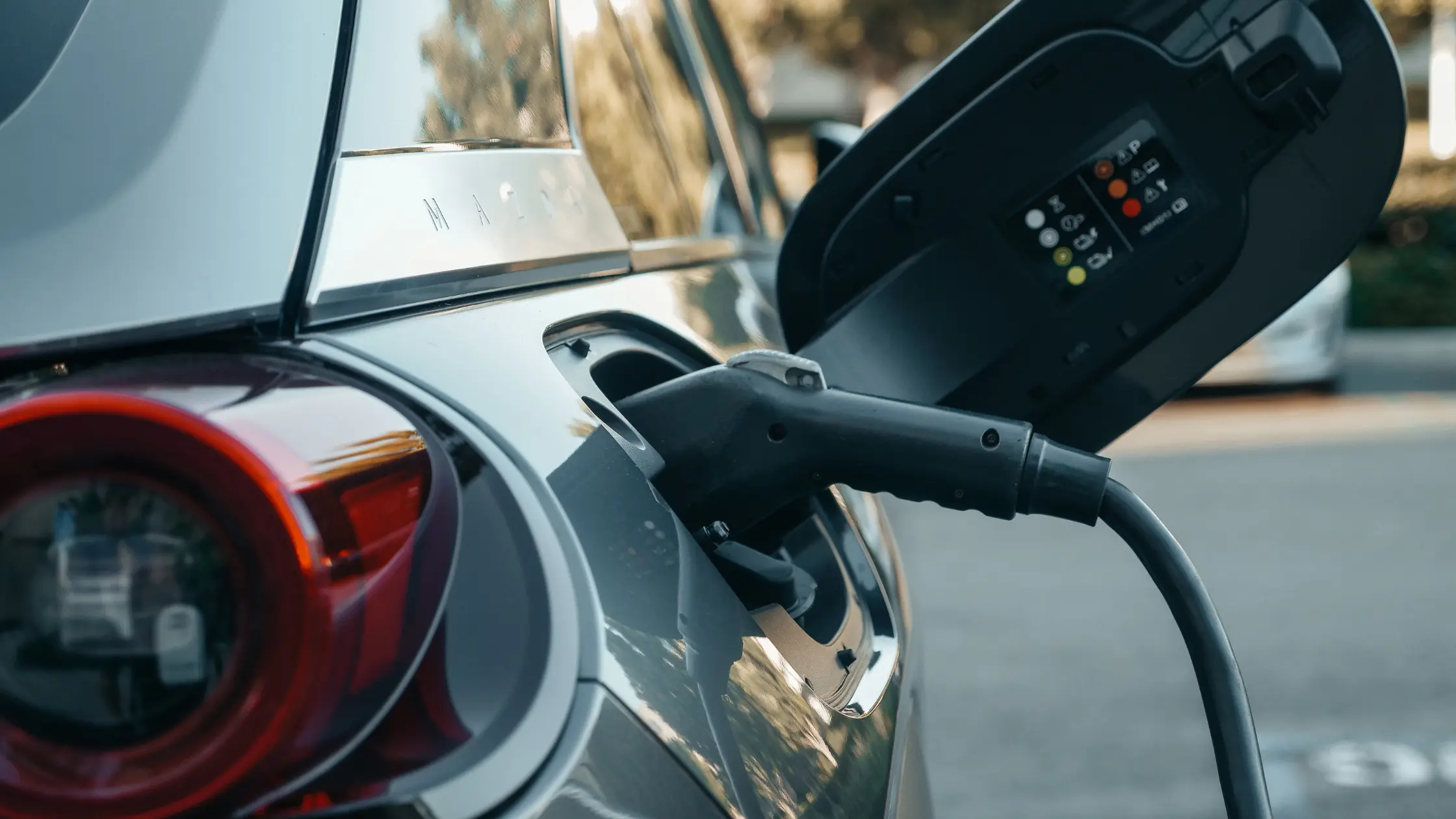
In a fresh push to accelerate electric mobility, the Government of Delhi has proposed a full waiver on road tax and registration fees for electric cars priced up to ₹30 lakh under its draft Electric Vehicle Policy 2026–2030.
The policy aims to build on the capital’s earlier EV momentum by making electric vehicles more affordable and accessible, while addressing persistent air pollution challenges. Vehicles priced above ₹30 lakh will not be eligible for any exemptions, signaling a targeted focus on mass-market adoption.
The draft policy also proposes a 50% tax exemption for strong hybrid vehicles, offering a transitional pathway for consumers not yet ready to shift fully to electric mobility. In a more decisive move, the government has stated that from January 1, 2027, only electric three-wheelers will be allowed for new registrations in the city.
The initiative marks a continuation of Delhi’s EV push that began in 2020, which has already contributed to a steady rise in electric vehicle registrations. The new policy framework seeks to further strengthen the ecosystem through incentives, regulatory shifts, and long-term planning.
Officials have opened the draft policy for public feedback over a 30-day window, after which it is expected to be finalized and implemented.
The move comes as Indian cities increasingly look to electrification as a solution to urban pollution and fuel dependency, with Delhi positioning itself at the forefront of policy-driven clean mobility transformation.