News at Glance
- Plug-in solar systems allow homeowners to feed solar power into a house using a standard indoor outlet without traditional rooftop installation.
- Consumers are attracted by simpler installation and lower perceived upfront barriers compared with full rooftop systems.
- Regulators and utilities are reviewing safety and interconnection concerns, creating legal and operational uncertainty for buyers.
Regulators raise safety and interconnection questions as consumer interest grows
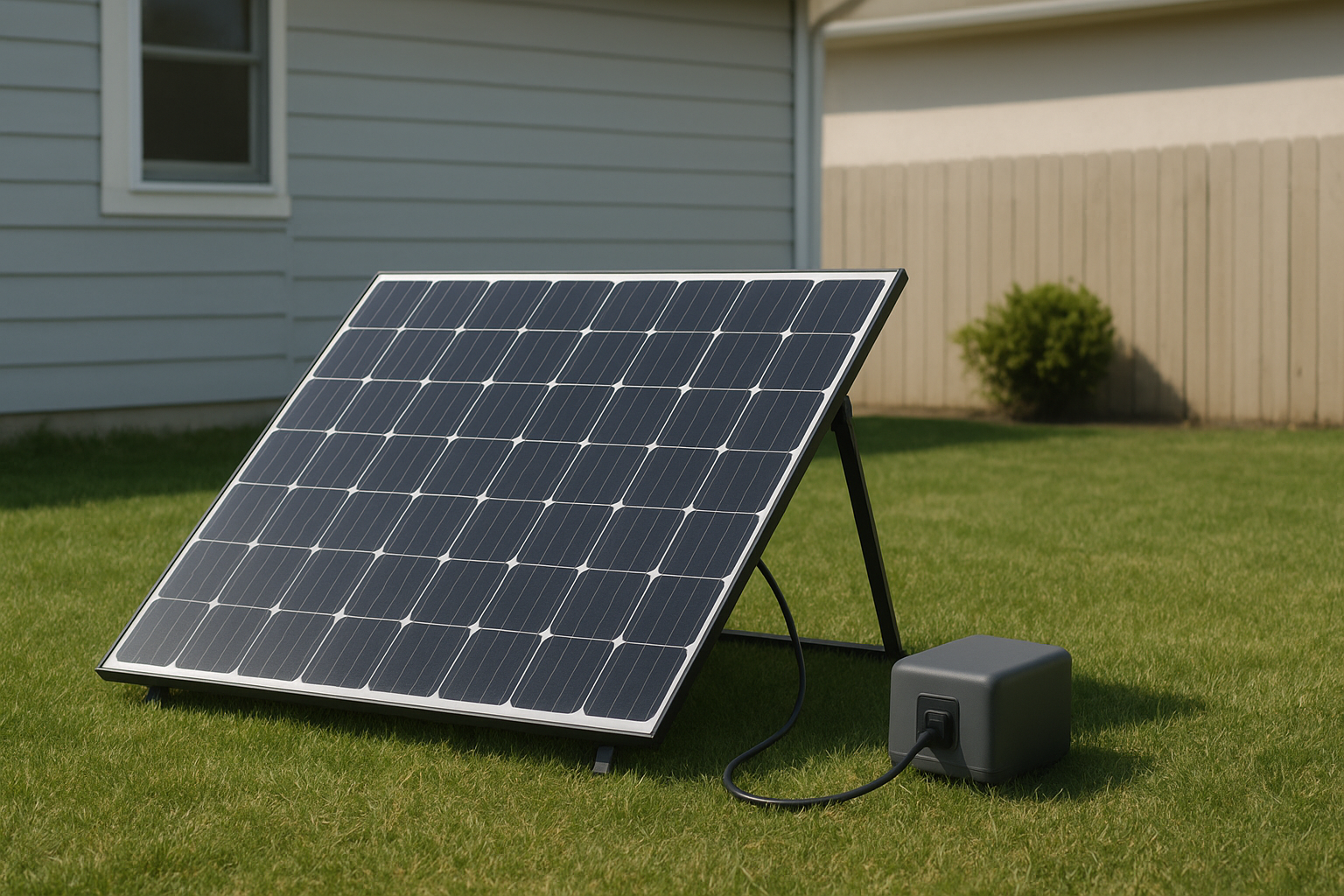
Plug-in solar systems, often sold as portable panels with integrated inverters, are gaining attention in the US as a do-it-yourself option for homeowners and renters. These systems are designed to plug into a standard household outlet to offset consumption or provide backup power without a full rooftop installation.
Buyers and retailers point to ease of setup and lower up-front complexity compared with traditional roof-mounted arrays that require structural work, wiring upgrades and utility interconnection agreements. Because they avoid roof penetration and large electrical upgrades, these kits appeal to people seeking a simpler entry point into distributed solar.
At the same time, safety experts and grid operators caution that systems capable of sending power back into household wiring or the grid must meet electrical code and interconnection requirements. Backfeeding the grid during an outage can endanger line workers unless appropriate isolation and transfer equipment are used.
Rules and enforcement vary across jurisdictions, leaving buyers in some areas with clear pathways and others facing potential inspection or utility objections. This regulatory ambiguity has prompted greater scrutiny from building inspectors and utilities seeking to protect grid reliability.
Technically, plug-in systems can be paired with batteries or used purely as on-site generation to reduce meter readings, but they are generally limited in scale compared with permanent rooftop installations. For many customers, they represent a niche option for renters, seasonal dwellings or supplemental generation rather than a full replacement for rooftop solar.
Industry observers expect continued interest but note that broader adoption will likely depend on clearer standards, updated codes and utility policies that balance consumer choice with safety and grid integrity.
FAQs
What is a plug-in solar system and how does it work?
A plug-in solar system is a small-scale photovoltaic setup that converts sunlight into electricity and uses an integrated inverter to supply power through a standard household outlet, offsetting some on-site consumption or charging batteries.
Do plug-in solar systems require permits or inspections?
Permit and inspection requirements vary by locality; some jurisdictions treat these systems like any electrical installation and may require permits, while others have less prescriptive oversight. Buyers should check local building and electrical codes before installing.
Are plug-in solar systems safe during power outages?
Without proper isolation equipment such as transfer switches or certified anti-islanding features, plug-in systems can risk backfeeding the grid during outages, posing hazards to utility workers and equipment. Systems intended for backup should meet safety standards.
Can plug-in solar systems feed power back to the grid?
Technically they can if connected and configured to do so, but feeding power to the grid typically triggers interconnection rules and utility approval; unauthorized backfeeding is restricted in many areas for safety and regulatory reasons.
Will a plug-in solar kit significantly reduce my electricity bill?
These kits can offset a portion of household consumption, particularly for specific loads, but their small scale usually means they will not replace grid supply entirely. Savings depend on system size, local electricity rates and household usage patterns.
Who should consider buying a plug-in solar system?
Renters, seasonal homeowners, people seeking a lower-cost entry to solar, or those wanting supplemental generation or emergency power may find plug-in systems attractive, provided they verify local rules and safety requirements before installation.