
The Energy Security Crisis Is Here. Battery Storage Is the Only Answer That Scales
As renewables grow and power demand rises, battery energy storage offers the scale and flexibility India’s grid needs.
We're amid an energy security crisis of the highest order. Global energy demand is rising sharply as economies grow and industrialize nations (particularly in emerging economies), and the IEA's 2024 figures are a case in point, with global CO2 emissions at 37.8 Gt and up to 38.4% in 2025.
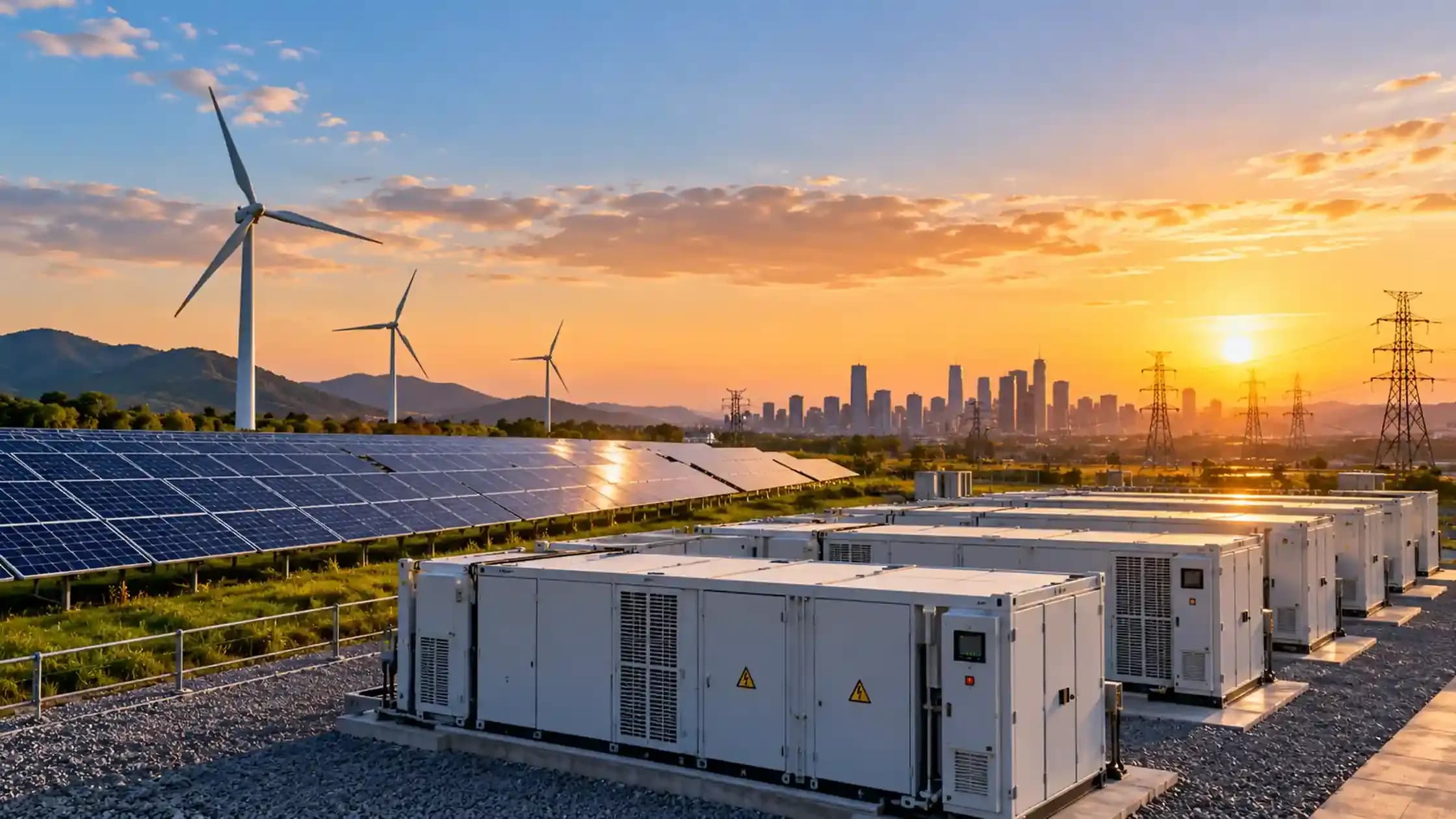
As nations move faster to renewables, the reliability of the power system is in jeopardy. The only technology that can provide the scale, speed and flexibility to underpin a secure and clean energy transition is battery energy storage (BESS).
India is now the world's most populous country and is at the very heart of the crisis. Its electricity demand is expected to triple by 2040. As peak demand rises and the share of variable renewables (solar and wind) grows, the risk of blackouts and grid instability is increasing.
The IEA has forecast that global storage requirements will triple by 2030 and the Indian Ministry of Power has set a target of 47 GW of BESS by 2032. The challenge is enormous: we are trying to integrate many intermittent renewables into a grid that has historically been fossil-fuel-based, and we must do it reliably, affordably, and sustainably.
BESS: The Scalable Solution
As of August 31, 2026, India’s installed solar capacity reached 171.05 GW, comprising 125.65 GW of ground-mounted solar, 33.41 GW of grid-connected rooftop solar, 5.36 GW of hybrid solar, and 6.63 GW of off-grid solar.
This rapid growth in renewables is a significant achievement but has created substantial grid-integration challenges. In September 2026, around 118 GW of renewable energy capacity was curtailed mainly due to transmission bottlenecks, limited battery energy storage system (BESS) capacity, and lack of grid flexibility. That month alone, 378.52 million units (MU), or 1.28% of the country’s total renewable generation, were curtailed.
The core transmission challenges for renewable energy are intermittency and curtailment. Intermittency refers to the fluctuating availability of renewable power, such as solar energy, which varies throughout the day. Of the curtailed capacity, 96.9 GW was solar and 21.7 GW was wind. Adding 44.6 GW of solar capacity in FY26 has further strained transmission infrastructure and underscores the urgent need for improved grid flexibility.
Expanding battery storage alongside a wider transmission network can address intermittency and curtailment issues faced by renewable projects. Battery storage ensures continuous power supply, balances supply and demand in real time, provides backup during grid outages, and smooths variability in renewable energy generation. Implementing battery storage at the developer level is expected to address many curtailment challenges.
Advancements in battery technology, particularly lithium-ion, are expected to lower costs by 50-60% by 2030, making BESS increasingly competitive. While lead-acid batteries will remain relevant in some applications, lithium-ion batteries dominate grid-scale BESS because of their high energy density (up to 350 Wh/kg), long cycle life, and fast charging.
The Road Ahead for BESS in India
India is set for massive BESS growth. The government has a target of 47gw/236gwh of BESS by 2032, underpinned by a range of policy mechanisms including viability gap funding and regulatory requirements over the storage procurement, will see the emergence of new chemistries (sodium-ion, flow batteries that combine rid systems (storage with renewables), and digital sophistication will rise dispatch.
There are of course challenges to overcome in the way of supply chain, recycling and end of life, and financing, but the business case is strong. The Indian BESS market could be worth $5–7 bn a year by 2030 and that's a huge opportunity for investors, innovators and policy makers to get involved in and shape the future of energy security.
BESS is not just a technical solution, it is the bedrock of a secure, clean and resilient power system. In the face of the energy security crisis that India and the world are currently experiencing, only BESS can provide the scale and flexibility needed to underpin the clean energy transition. The next decade is India's opportunity to be at the forefront of both deployment and innovation and to secure the energy future of the country for generations to come.
SOURCES
Manan Thakkar
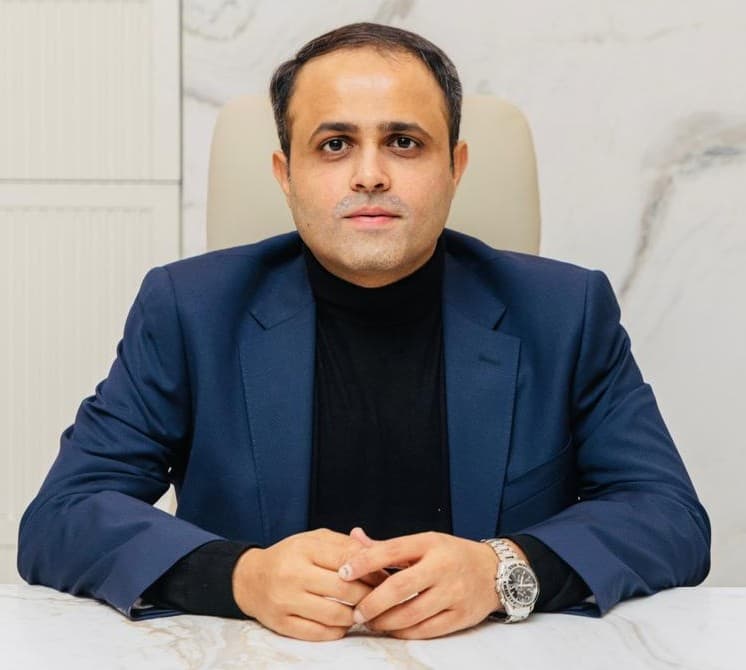
Manan Thakkar is Co-founder, MD & CEO of Prozeal Green Energy. With 15+ years in renewable energy, he has led Prozeal to install over 2 GW of solar capacity. He holds an MBA from Rochester Institute of Technology and was named in BW Disrupt’s 40 Under 40 (2022).
Connect on LinkedIn →