News at Glance
- IRENA’s GEAR Framework provides a structured method to evaluate how renewable energy interventions support agricultural resilience.
- Assessment focus spans energy access, reliability and service outcomes relevant to farm productivity and risk reduction.
- Use cases are intended for policymakers, funders and practitioners planning resilient energy-agriculture projects.
Framework Offers Metrics to Quantify Renewable Energy Contributions to Farming Resilience
The GEAR Framework, published by the International Renewable Energy Agency (IRENA), sets out a common approach to measuring links between renewable energy and climate resilience in agriculture.
Rather than prescribing technologies, the framework centres on measurable functions such as consistent water supply, cooling and post-harvest services, and diversified income streams enabled by clean power.
By emphasising observable outcomes, the framework helps stakeholders compare interventions across contexts and identify where renewables can reduce climate-related risks for farmers.
The approach integrates energy-system metrics with agricultural resilience objectives, encouraging data collection on service reliability, affordability and accessibility alongside crop- and livelihood-level indicators.
For policymakers, the framework is presented as a planning tool to align energy investments with agricultural adaptation goals and to prioritise interventions that deliver quantifiable benefits.
Project developers and financiers can use the framework to design monitoring and evaluation plans that link energy outputs to on-farm resilience outcomes, improving transparency of impact claims.
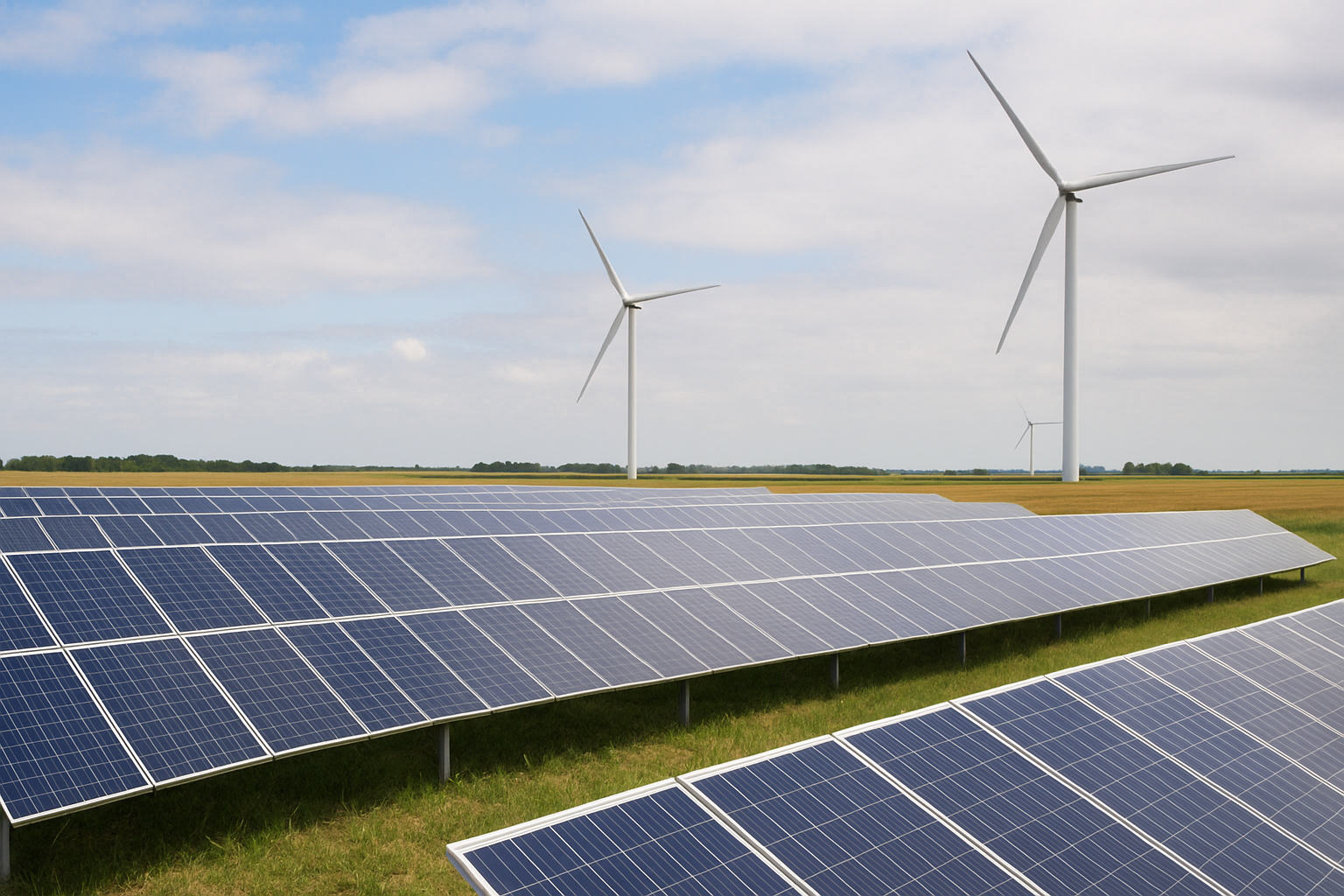
Applications can range from off-grid solar irrigation and on-farm cold chains to decentralised microgrids powering value-added processing, wherever renewable energy intersects with farm systems.
Wider adoption of the framework could strengthen evidence on how clean energy contributes to food security under climate stress and inform more targeted resilience financing.
FAQs
What is the GEAR Framework from IRENA?
The GEAR Framework is a structured approach developed by the International Renewable Energy Agency to assess and measure how renewable energy interventions contribute to climate resilience in agriculture.
Which stakeholders can use the GEAR Framework?
Policymakers, project developers, funders and practitioners can apply the framework to design, monitor and compare renewable energy projects that aim to enhance agricultural resilience.
What types of agricultural outcomes does the framework focus on?
The framework focuses on outcomes such as reliable water supply, reduced post-harvest losses, stable income streams and service availability that help farms withstand climate shocks.
How does the framework link energy metrics to resilience?
It connects energy-system indicators—like reliability, availability and affordability—with agricultural indicators to show how energy services translate into resilience outcomes.
Can the framework be applied to smallholder farming systems?
Yes. The framework is designed to be adaptable across scales and contexts, including smallholder farms that rely on off-grid and decentralised renewable solutions.
How can the framework influence climate and energy finance decisions?
By providing measurable links between energy interventions and resilience outcomes, the framework can help financiers prioritise projects with demonstrable benefits for agricultural adaptation.