News at Glance
- GM and Ford are repurposing EV battery assets toward stationary energy storage opportunities.
- Shift focuses on second-life batteries and facility adjustments to serve grid, commercial and industrial customers.
- Move aims to monetise existing battery investments while addressing technical, regulatory and recycling challenges.
Automakers redirect EV battery capacity toward stationary storage markets
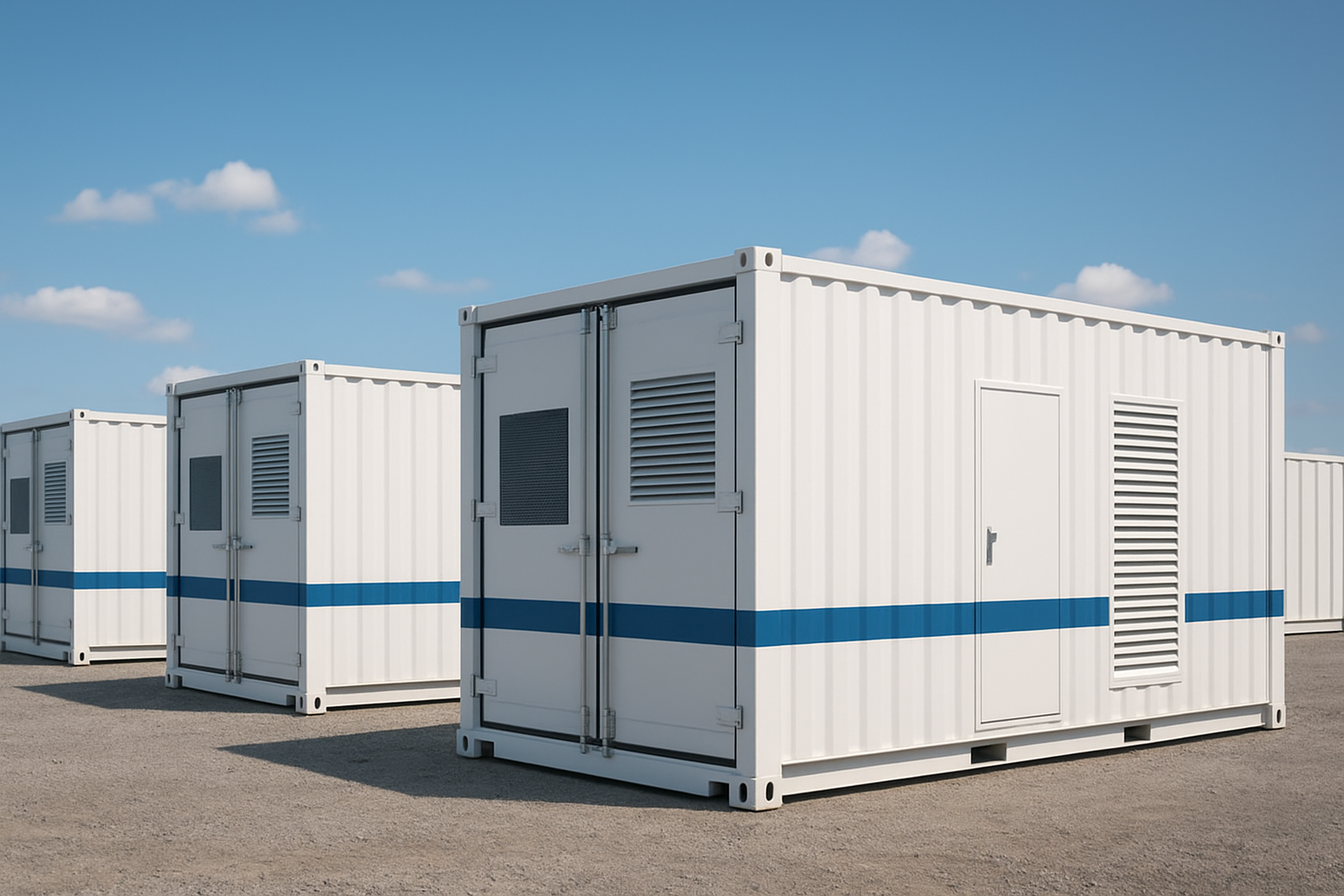
General Motors and Ford are exploring ways to convert electric vehicle battery investments into energy storage solutions for buildings, utilities and commercial operations. The strategy includes evaluating used battery packs, new stationary designs and plant retooling to supply a growing storage market.
Repurposing EV packs for stationary use can extend asset life and create revenue streams beyond vehicle sales. Second-life applications typically rely on batteries that no longer meet vehicle range requirements but retain sufficient capacity for lower-duty stationary roles.
The shift also reflects broader industry efforts to avoid waste and to capture value from large battery inventories. Automakers and suppliers must manage state of health assessments, warranties, and standards to integrate these packs safely into grid and commercial projects.
Technical hurdles include pack degradation profiles, software integration and repackaging for different form factors. Commercial obstacles include establishing predictable pricing, securing offtake contracts and aligning with local grid interconnection requirements.
Longer term, recycling and materials recovery remain central to any strategy that repurposes battery assets. Effective recycling complements second-life deployments by recovering critical materials once cells reach end of useful life for stationary applications.
Industry observers say the pivot could offer a pragmatic path to monetise capital investments in battery manufacturing while supporting decarbonisation goals through flexible storage capacity. The approach will depend on market demand, regulatory frameworks and advances in battery testing and refurbishment.
FAQs
How do automakers repurpose EV batteries for stationary energy storage?
Automakers assess battery state of health, reconfigure or repackage modules as needed, and pair them with power electronics and controls to serve stationary applications such as commercial backup, microgrids or grid services.
What is a second-life battery and how is it used?
A second-life battery is an EV pack that no longer meets vehicle range requirements but retains capacity for less demanding stationary roles, where it can provide storage services at lower cost than new batteries.
What challenges do second-life battery projects face?
Key challenges include variable cell degradation, safety testing, standardisation, warranty frameworks, logistics of collection and refurbishment, and ensuring compatibility with grid interconnection standards.
Can second-life batteries match the performance of new stationary storage systems?
Second-life systems often offer lower upfront cost but reduced energy density and life expectancy compared with new systems; they suit applications where performance needs are moderate and cost sensitivity is higher.
How does repurposing batteries affect recyclability?
Repurposing can extend time before recycling is required, while well-planned second-life programs can feed a steady stream of materials to recycling facilities when cells reach true end of life.
Who are potential buyers of repurposed EV battery storage?
Potential buyers include utilities, commercial and industrial customers, campus microgrids, renewable developers and facility managers seeking backup power, demand charge reduction or grid services.