News at Glance
- Renewable-powered electrolysis can produce low-carbon hydrogen suitable as feedstock for ammonia synthesis.
- Switching hydrogen supply from fossil-derived routes to renewables lowers the carbon intensity of ammonia used in fertiliser and other industries.
- Deployment barriers include higher capital costs, electricity supply consistency and water availability for electrolysis.
Renewable-powered electrolysis cuts emissions intensity of ammonia feedstock
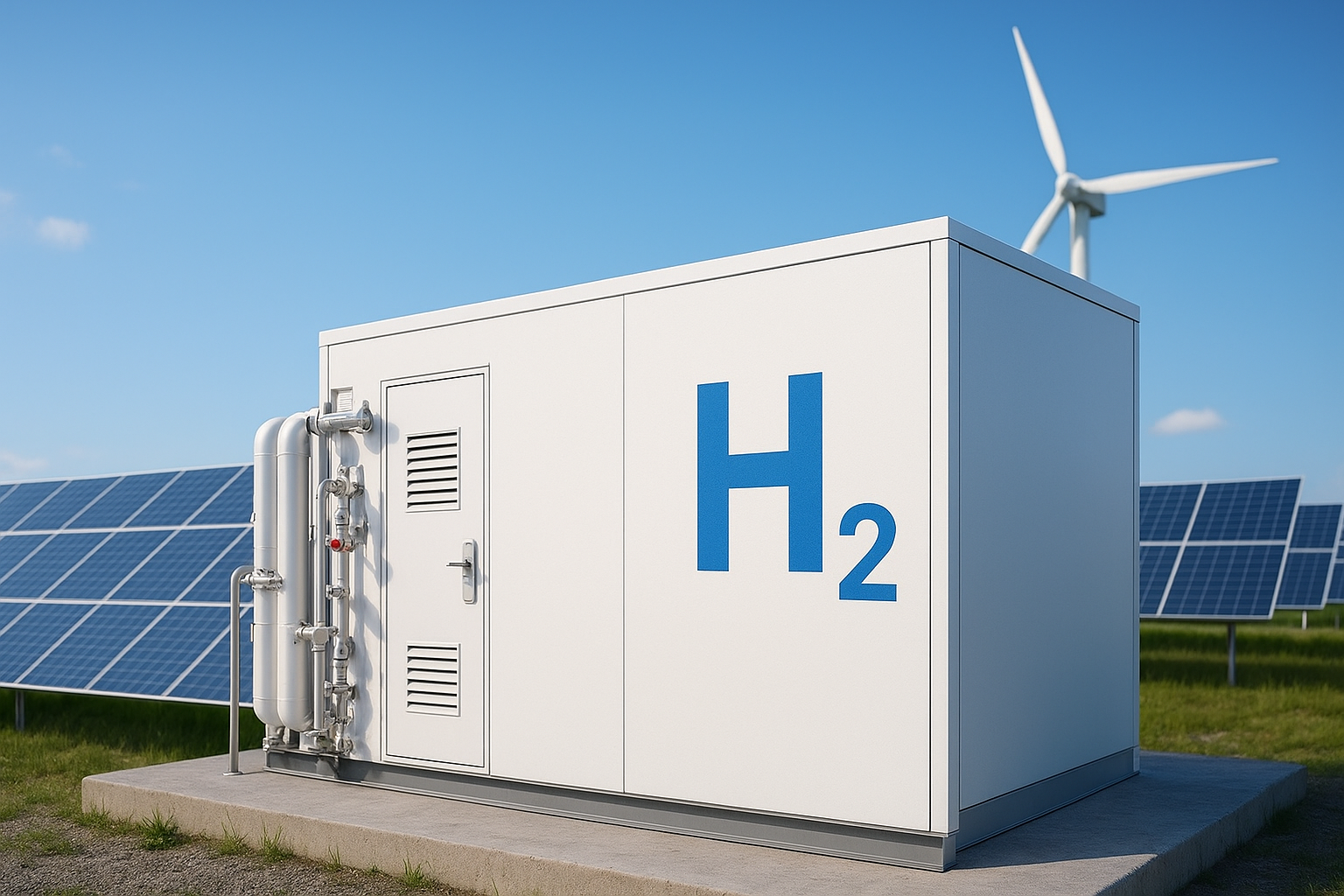
Industry interest is growing in using electricity from wind and solar to run electrolyzers that split water into hydrogen and oxygen. That hydrogen can then feed ammonia production processes, replacing hydrogen produced from fossil fuels and reducing lifecycle greenhouse gas emissions.
Operators can couple electrolyzers directly to dedicated renewable plants or source clean power via contracts and grid connections. Each approach has trade-offs: dedicated plants can provide clearer carbon accounting, while grid-supplied renewables may offer lower upfront costs but require careful management of grid emissions factors.
Technical considerations include the choice of electrolyzer technology, balancing capacity factors with intermittent generation and integrating storage to stabilise supply. Ammonia synthesis typically benefits from steady hydrogen delivery, so projects often combine generation, storage and flexible operation strategies.
Beyond technical design, water sourcing and industrial permitting shape project feasibility, particularly in regions where freshwater is scarce. Transport and handling of hydrogen or converting it to ammonia for easier shipping are common solutions for linking production sites with demand centres.
Market drivers include demand for lower-carbon fertilisers and potential new uses for ammonia as an energy carrier. However, the levelised cost of renewable hydrogen remains higher than conventional routes in many markets, keeping policy support and investment incentives important for scale-up.
Wider deployment will depend on continued cost reductions for electrolysis and renewables, development of hydrogen and ammonia infrastructure, and clear standards for carbon accounting. If these elements align, renewable-derived hydrogen could become a mainstream feedstock for cleaner ammonia production.
FAQs
What is renewable hydrogen?
Renewable hydrogen is produced by splitting water with electricity from renewable sources such as wind and solar, typically using electrolyzers.
Why use hydrogen for ammonia?
Hydrogen is a primary feedstock for ammonia synthesis; replacing fossil-derived hydrogen with low-carbon hydrogen reduces the chemical’s greenhouse gas footprint.
How is hydrogen converted into ammonia?
Hydrogen is combined with nitrogen, most commonly via large-scale catalytic processes, to produce ammonia for fertilisers and industrial use.
What are the main challenges for renewable hydrogen projects?
Key challenges include higher capital costs, ensuring reliable low-carbon electricity, water availability and developing transport and storage infrastructure.
Can ammonia be used as an energy carrier?
Ammonia can be transported more easily than hydrogen and is being explored as a carrier for moving hydrogen energy, though handling and combustion properties require specific solutions.
What could accelerate adoption of renewable hydrogen for ammonia?
Cost reductions in electrolyzers and renewables, supportive policies, investment in infrastructure and clear carbon accounting frameworks would accelerate deployment.