Hurricane Lowell knocks out power on Kauai as fierce winds and rain sweep island
-2.png&w=3840&q=75)
CleanTech Journal Desk
Published •Updated •7 min read
News at Glance
- Power outages across Kauai followed intense winds and heavy rain from Hurricane Lowell.
- Local utilities and emergency services are assessing damage and prioritising safety and restoration work.
- Energy resilience concerns renewed as storm disruptions highlight the role of distributed resources and microgrids.
Winds and heavy rain leave islanders without electricity as crews assess damage
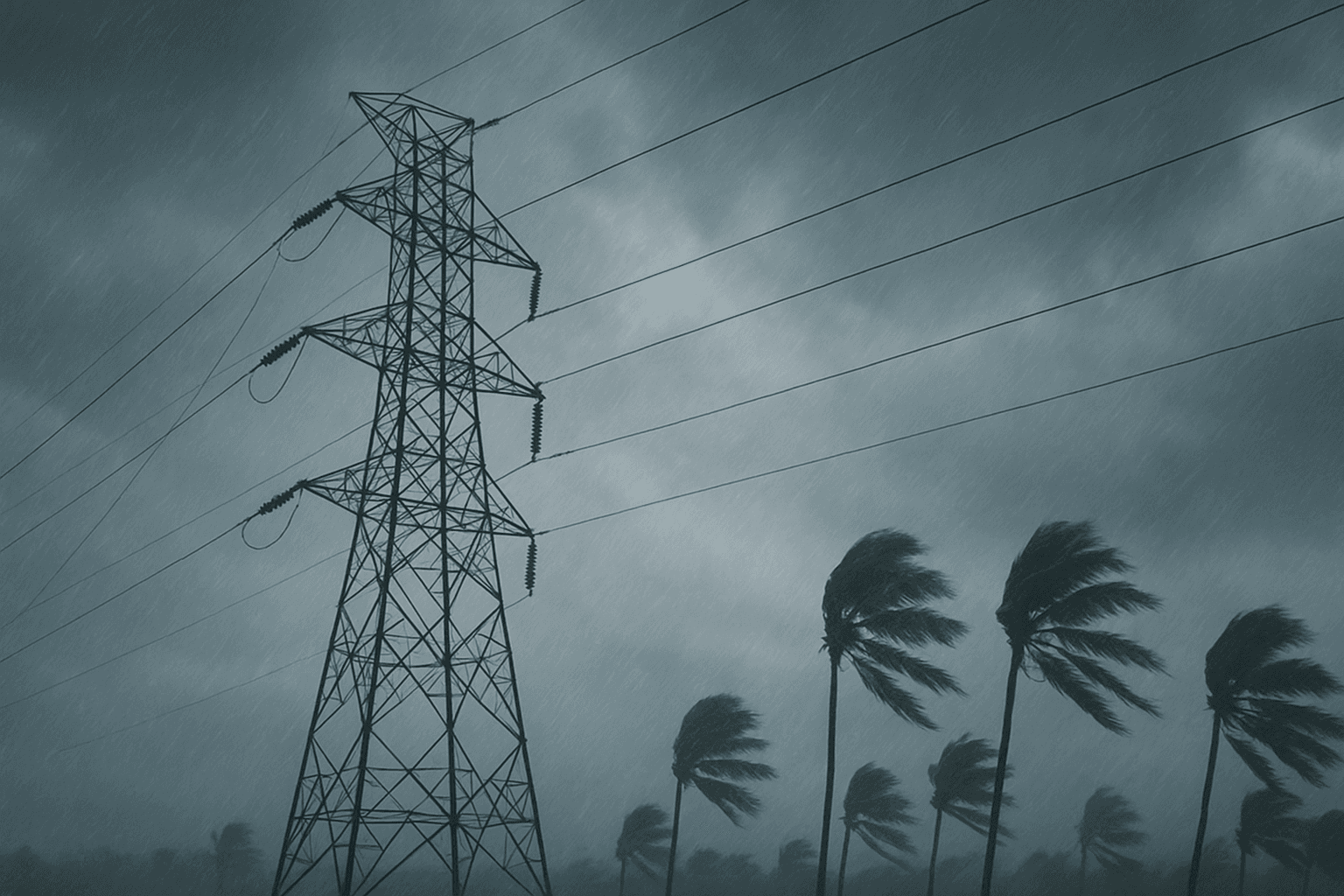
Hurricane Lowell’s strong winds and persistent rain knocked out electricity service across parts of Kauai, leaving residents and businesses without power. Utility operators and emergency responders mobilised to evaluate hazards, clear debris and prioritise safety.
Damage to overhead lines, fallen trees and flooded access routes have complicated initial restoration work. Officials advised residents to avoid downed lines, heed road closures and follow public-safety guidance as assessments continue.
The outage response focused first on protecting life and critical facilities such as hospitals, water systems and shelters. Restoration plans typically involve damage surveys, crew deployment and staged reconnection once hazards are reduced.
Beyond immediate repairs, the storm has intensified discussion about long-term grid resilience in island communities. Observers say distributed solar, battery storage and community microgrids can reduce outage impacts by providing localised backup power and faster recovery.
Investments in hardened infrastructure, undergrounding critical feeders and vegetation management are also cited as ways to mitigate storm damage. Policymakers and utilities often weigh these options against cost, environmental constraints and local priorities.
Residents facing prolonged outages are encouraged to conserve generator fuel, use portable generators safely outdoors, and follow guidance from local authorities about water safety and sheltering. Community groups and relief agencies typically coordinate support for vulnerable populations after major storms.
FAQs
What should residents do immediately after a hurricane causes a power outage?
Stay clear of downed power lines, report outages to your utility, use generators outdoors and ventilated, and follow local emergency guidance for sheltering and water safety.
How do utilities prioritise power restoration after storm damage?
Utilities typically prioritise life-safety services, such as hospitals and emergency facilities, then critical infrastructure and major circuits before restoring individual customers.
Can distributed solar and batteries keep homes powered during hurricanes?
Yes; solar paired with battery storage and islanded microgrids can supply local power during grid outages when properly designed and permitted.
Why is undergrounding power lines not always used to prevent outages?
Undergrounding reduces exposure to wind but can be costly, time-consuming and technically challenging in some terrains and coastal areas, so decisions balance risks and costs.
How long do power outages typically last after a hurricane in island communities?
Outage duration varies widely based on damage severity, access for crews and weather; restoration can take hours to many days in severe cases.
What steps can local governments take to improve storm resilience?
Invest in distributed energy, microgrids, emergency preparedness planning, vegetation management and infrastructure hardening to reduce future storm impacts.