Hyundai Tops Largest EV Battery Study, Beats Tesla on Long-Term Health
-2.png&w=3840&q=75)
CleanTech Journal Desk
September 3, 2026•8 min read
News at Glance
- Hyundai ranked top in a large-scale EV battery health analysis.
- Study analysed about 500,000 real-world battery health tests across multiple models.
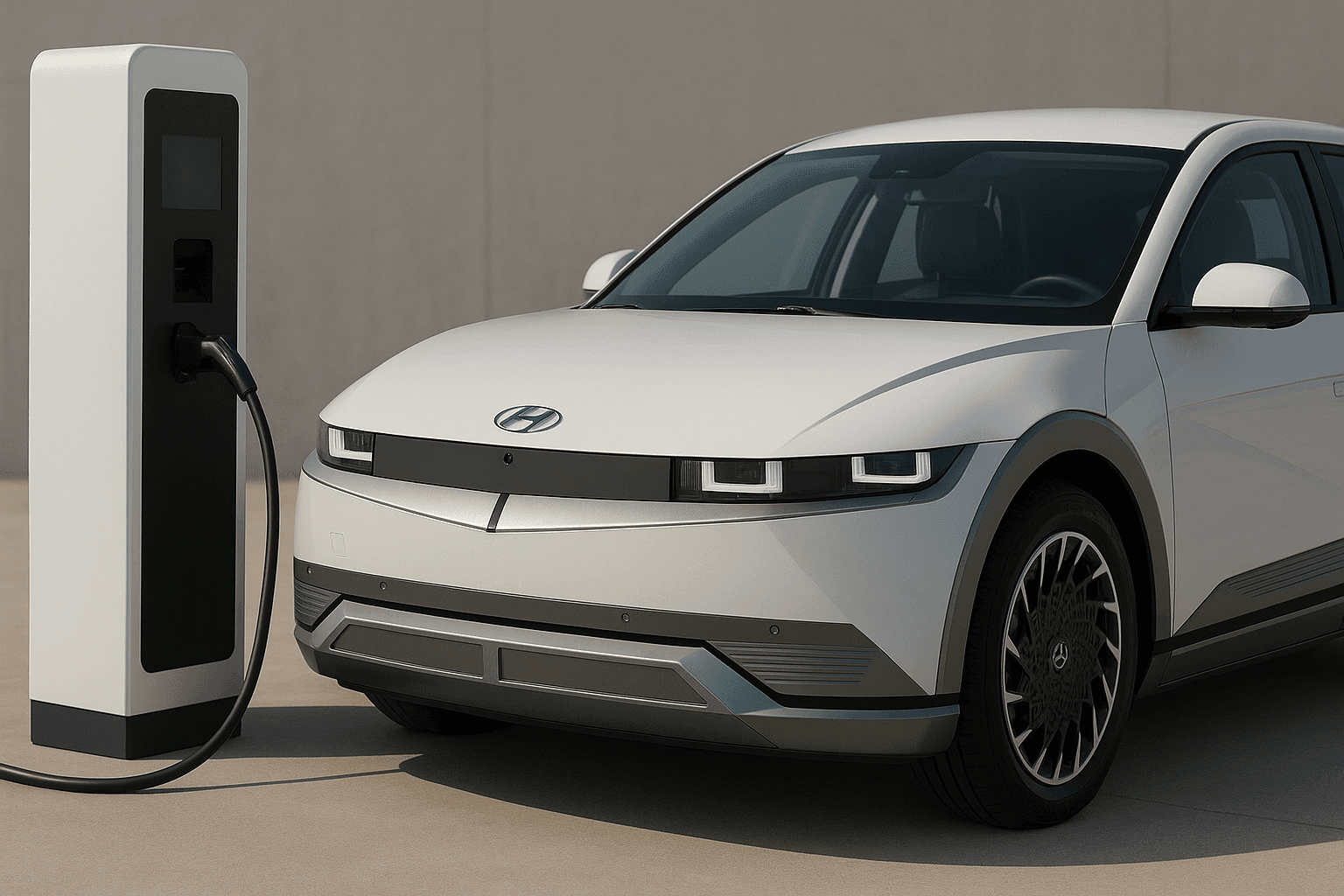
- Hyundai edged out Tesla for long-term battery state-of-health in the dataset.
Hyundai models show strongest long-term battery state-of-health in 500,000-test analysis
A recent large-scale analysis of roughly 500,000 real-world EV battery health records found Hyundai models leading for long-term battery state-of-health, placing them ahead of rival Tesla in this dataset. The analysis assessed battery condition over time using available state-of-health metrics reported in the tests.
The findings highlight battery durability differences across manufacturers and models, factors that influence range retention, ownership costs and second‑hand values. Analysts say long-term battery health is becoming an increasingly important consideration for buyers and fleet operators assessing total cost of ownership.
Method details reported alongside the results explain the dataset draws on many individual tests conducted across a wide range of driving conditions and vehicle ages. Such large sample sizes can reveal trends that smaller studies may miss, although results can vary with geography, climate and use patterns.
Automakers and third-party servicers are likely to watch these results for implications on warranty design, battery management strategies and consumer communication. For consumers, the headline takeaway is that long-term battery condition is measurable and varies by make and model.
Industry observers caution that a single study, even a large one, should be weighed alongside manufacturer warranty terms, independent durability testing and real-world owner reports. Ongoing data collection will be needed to confirm whether the trends persist as more vehicles age.
FAQs
What does “battery state-of-health” mean for electric vehicles?
Battery state-of-health (SoH) is a measure of a battery’s current capacity compared with its original capacity when new. It indicates how much usable energy the battery can store and directly affects vehicle range and performance.
How can large datasets of battery tests inform EV buyers?
Large datasets aggregate battery performance across many vehicles and conditions, revealing trends in long-term degradation that individual tests may miss. This helps buyers compare likely range retention and long-term costs between models.
Do driving habits affect EV battery longevity?
Yes. Frequent fast charging, high average state-of-charge, extreme temperatures and aggressive driving can accelerate battery degradation. Moderate charging practices and thermal management can help extend battery life.
Can software updates improve EV battery health over time?
Software updates can refine battery management systems, optimise charging algorithms and improve thermal control, which can slow degradation or restore some performance without hardware changes.
How does battery health affect resale value of electric vehicles?
Lower battery state-of-health typically reduces an EV’s usable range, which can lower resale value. Buyers often consider remaining battery capacity alongside vehicle age and service history.
Are manufacturer warranties sufficient to judge long-term battery reliability?
Warranties provide a baseline of manufacturer confidence and consumer protection, but they do not replace independent durability data. Combining warranty terms with long-term performance studies gives a fuller reliability picture.