
News at Glance
- CSE study calls for operational integration of renewable and coal-based power sectors to manage variability and ensure reliability.
- Study warns of coordination gaps between generation dispatch, market rules and plant operations that could hinder the transition.
- Policy, market and operational reforms are recommended to align incentives, enhance flexibility and reduce risks to supply and assets.
Study highlights coal-plant flexibility constraints as obstacle to higher renewable share
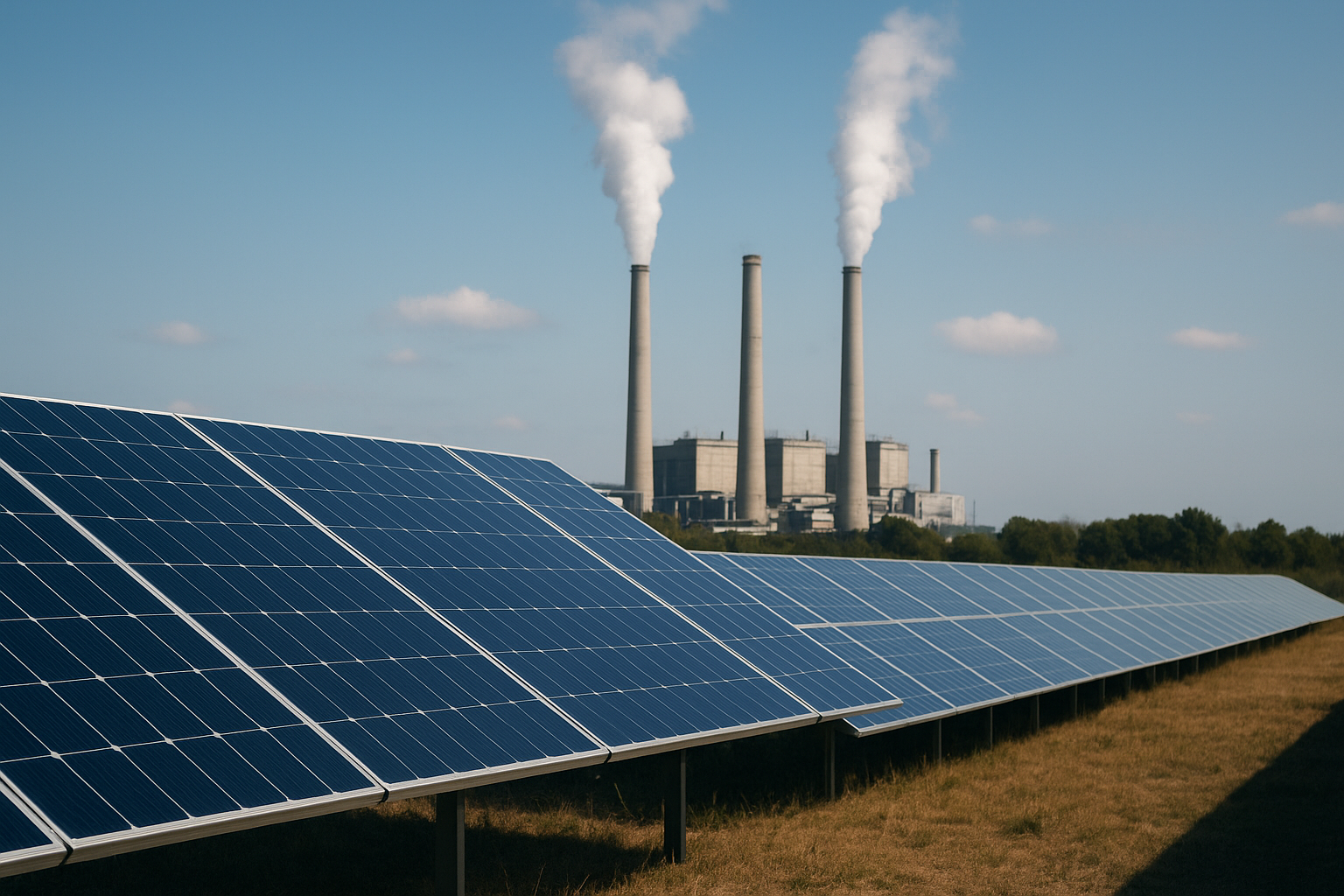
A new analysis by the Centre for Science and Environment (CSE) says India must better integrate the functioning of its renewable energy sector with coal-based generation to secure a stable energy transition.
The report underlines that without coordinated operational practices and market signals, the growing share of variable renewables can create challenges for coal plants designed for baseload operation, with implications for grid management and asset utilisation.
To bridge the gap, the study outlines the need for reforms across planning, scheduling and market frameworks so that coal units and renewable sources can be dispatched in a complementary manner. It highlights flexibility—ranging from ramping and start-stop capabilities to ancillary services—as central to this effort.
The authors argue that integration is not only technical but also institutional, requiring closer cooperation among central and state utilities, system operators and regulators. Aligning incentives, updating contracts and creating markets for flexibility services are flagged as necessary steps.
Operational changes at coal plants, including retrofitting and revised operating regimes, are presented as ways to reduce strain on the system while renewables expand. The study also suggests that market mechanisms should reward flexibility and reliability to guide investment decisions.
Ultimately, the CSE analysis frames integration as a pragmatic pathway to maintain supply security, reduce the risk of stranded assets and smooth the pace of decarbonisation. It calls for policy attention to ensure the transition is technically feasible and economically efficient.
FAQs
What does integration of renewables and coal-based power mean?
It means aligning operational practices, market arrangements and planning so variable renewable generation and coal plants operate in a coordinated way that preserves system reliability.
Why is integration important for India?
Integration helps manage the variability of renewables, reduces stress on baseload coal plants, and supports reliable electricity supply during the energy transition.
What kinds of reforms does the study recommend?
The study points to reforms in scheduling, market design and plant operations to create incentives for flexibility and to ensure dispatch reflects system needs.
Can coal plants be adapted to work with more renewables?
Yes. Changes in operating regimes, technical retrofits and participation in flexibility markets can enable coal units to respond better to variable generation.
Who needs to act to enable this integration?
Policy makers, grid operators, utilities, regulators and market participants all have roles in updating rules, contracts and operational practices.
What are the risks of not integrating the sectors?
Lack of coordination can lead to grid instability, inefficient asset use and higher costs for consumers and utilities during the transition.