Lydian Uses Modular Plants to Make Synthetic Jet Fuel Affordable
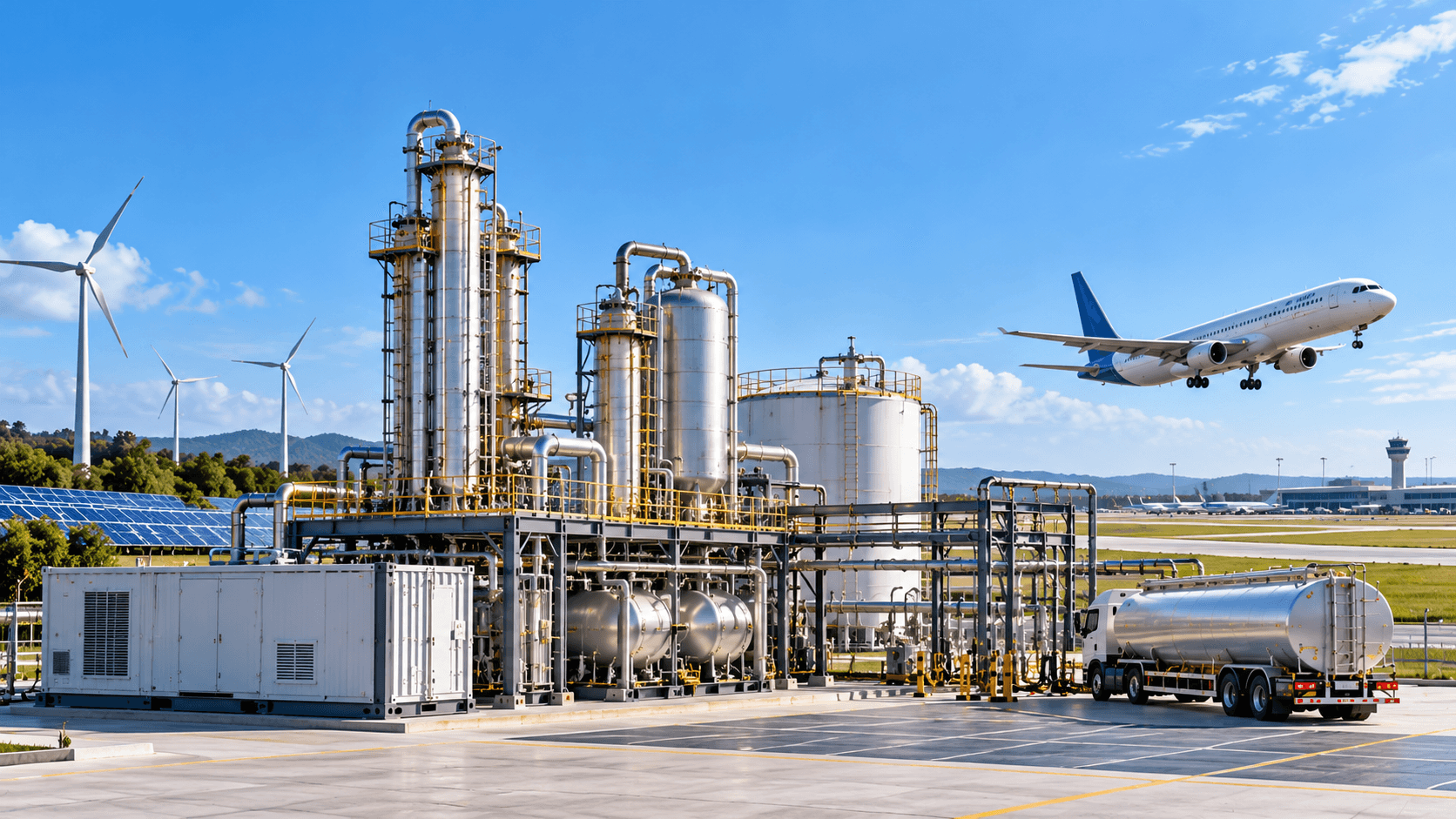
Boston-based Lydian is tackling the biggest barrier to clean jet fuel made from CO₂: cost. Its PIVOT system packs the reactors that turn captured CO₂ and hydrogen into jet fuel into compact, factory-built modules.

CTJ Desk
Published •16 min read
Founded in 2021 to Make Jet Fuel from CO₂ and Clean Power
Lydian Labs, Inc. was founded in 2021 by CEO Joe Rodden and CTO Branko Zugic. Rodden previously worked at energy-storage company Form Energy. Zugic is a chemical engineer whose work on nanoporous metal catalysts at Harvard inspired Lydian's core technology.
The company started in Cambridge, Massachusetts, and moved its headquarters to Charlestown in Boston in early 2026. It lists a team of 30+ engineers, scientists and operators.
Funding (all equity)
Round | Date | Amount | Investors |
|---|---|---|---|
July 30, 2026 | $43M | Breakthrough Energy Ventures (lead, via oneworld BEV Fund), AP Ventures, Builders Vision; existing: Congruent Ventures, Galvanize, Grok Ventures, Overture, Union Square Ventures, Voyager Ventures | |
September 6, 2023 | $12M | Congruent Ventures and Galvanize Climate Solutions (co-leads) |
Total equity raised is roughly $61M, based on Dealroom's pre-Series A total of $18M plus the $43M Series A. [NEEDS SOURCE: company-confirmed total]
High Costs Have Kept Synthetic Jet Fuel from Scaling
According to CEO Joe Rodden, high cost is what has historically kept synthetic jet fuel (e-SAF) from scaling. BloombergNEF puts average e-SAF contract prices for 2026–2028 delivery at about $5,015 per metric ton. By comparison:
- Bio-based HEFA SAF costs about $1,817 per ton for 2026 delivery.
- Conventional jet fuel averaged about $683 per ton in 2025.
Most SAF today is HEFA, refined from fats and oils. Lydian instead makes e-SAF from CO₂, hydrogen and renewable electricity.
PIVOT Turns CO₂ and Hydrogen into Jet Fuel in Factory-Built Modules
Its answer is PIVOT, a turnkey plant built from standardized, factory-made modules (PIVOT technology overview). It has three parts:
- Syngas production: an electrically heated reverse water-gas shift (RWGS) reactor converts CO₂ and hydrogen into syngas.
- Fuel synthesis: a compact, modified Fischer-Tropsch module turns the syngas into fuel.
- Simplified balance of plant: the design removes buffers, compressors and recycle streams.
The resulting fuel follows the ASTM-approved FT-SPK pathway, so it can be used in existing aircraft as a drop-in fuel.
The key design choice is flexibility. Lydian says PIVOT can run at 10–100% of capacity and adjust within minutes. That lets it run on cheap, intermittent wind and solar power instead of needing firm, always-on power. Rodden says Lydian's plant is about one-tenth the size of a conventional gas-to-liquids SAF plant.
Lydian Plans to Sell Both Fuel and Turnkey Plants
Lydian plans to earn revenue in two ways (Lydian's solutions overview):
- Selling fuel directly to airlines, fuel buyers and corporate offtakers from projects Lydian develops itself. These projects would include RFNBO-compliant e-SAF, which meets the EU standard for fuel made from renewable hydrogen.
- Selling turnkey PIVOT plants to companies that want to own and operate synthetic fuel facilities. Lydian develops all subsystems in-house, so buyers don't need licenses from several technology providers.
Lydian names commercial, cargo and defense aviation as its target customers. Pricing, offtake agreements and named customers are not public. [NEEDS SOURCE: signed offtake agreements or customers]
A Boston Pilot Plant Makes About 30 Tonnes of SAF a Year
Lydian currently runs a pilot plant at its R&D Center of Excellence in Boston that produces about 30 tonnes of SAF per year.
Metric | According to the company | Typical alternative |
|---|---|---|
Plant capital cost | 50% or more lower | Baseline |
Construction time | 24 months or less | About 4 years |
Operating range | 10–100%, responds in minutes | Slow response, limited turndown |
Lifecycle emissions | Up to 95% lower than fossil jet fuel | — |
Standard plant size | 70 ktpa (thousand tonnes per year) | — |
Source: Lydian's published comparison. Lydian has also been named to SVB's "50 companies powering tomorrow" list and selected for IAG's startup accelerator.
Demonstration Plant Planned for 2028, First Commercial Plant for 2030
Lydian is targeting a commercial demonstration facility in 2028 and its first full-scale commercial plant in 2030. Its website says commercial fuel volumes will begin in 2028 and scale every year after. The company expects synthetic fuel to compete with biofuels on price within this decade.
SOURCES
- Lydian website Hydrocarbon Processing: Series A announcement
- Lydian website