Introduction
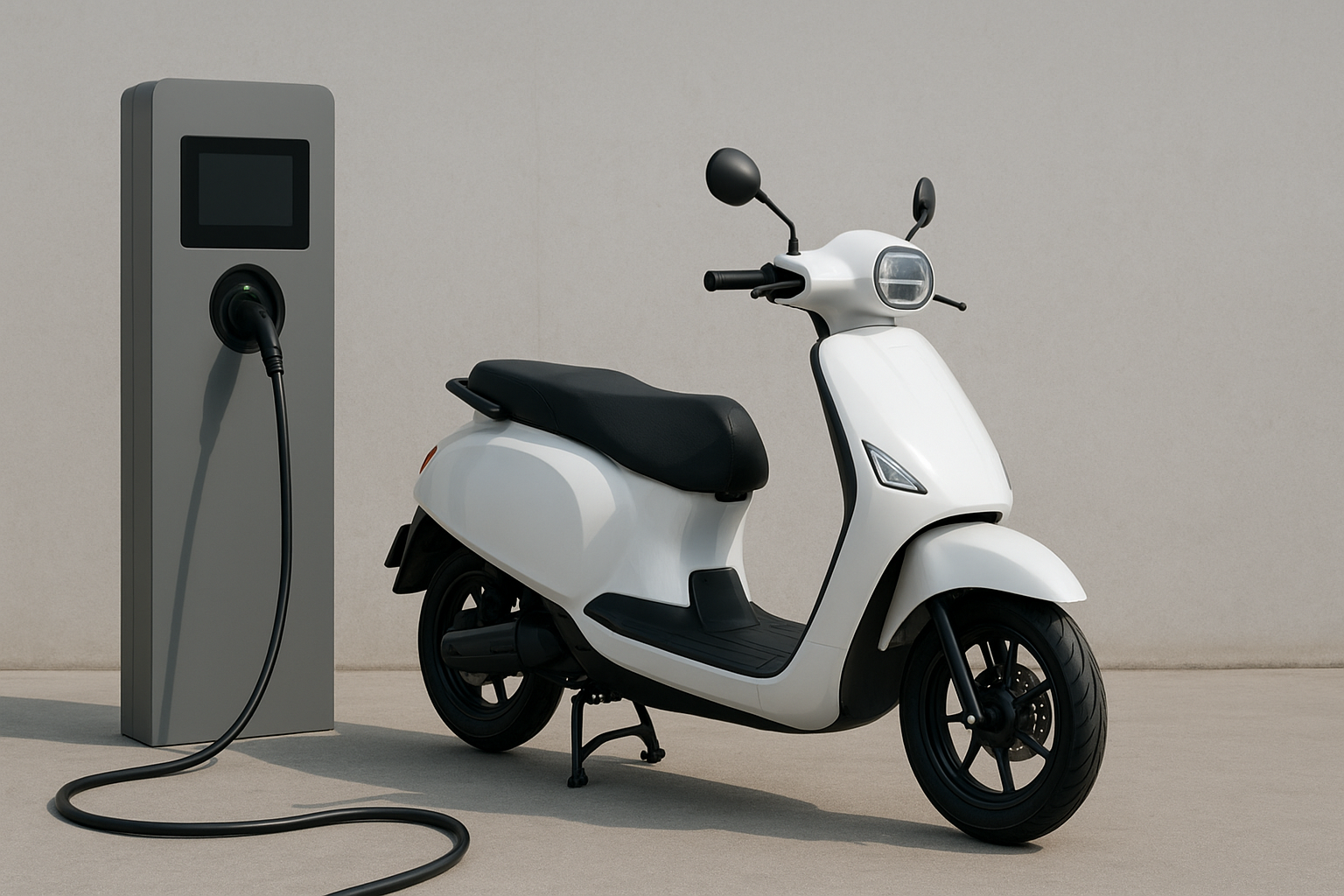
Recent discussion around a possible extension of the PM E-Drive subsidy has drawn attention from prospective electric two-wheeler buyers, manufacturers and dealers. With electric scooters and motorcycles gaining market share, any change to subsidy policy could influence purchase decisions and industry dynamics.
This article explains the PM E-Drive framework in general terms, outlines why an extension would matter, and reviews likely industry responses and future considerations. Readers should consult official government releases for confirmed details.
Overview
The PM E-Drive initiative is a government-supported mechanism intended to encourage adoption of electric two-wheelers through financial incentives and support measures. Such schemes typically aim to lower upfront costs, stimulate demand and accelerate transition from internal combustion engines.
Subsidies under similar programmes often cover a portion of vehicle cost, charging infrastructure support or manufacturer incentives. Exact eligibility rules, quantum and duration are defined in official notifications when issued.
Why This News Matters
Changes to subsidy policy can have immediate effects on consumer affordability and purchase timing. For price-sensitive segments, a subsidy extension could reduce the effective cost of ownership and spur sales of electric scooters and motorcycles.
Beyond individual buyers, subsidy signals influence investments by manufacturers, dealers and charging infrastructure providers. Clarity on policy timelines helps industry plan production, inventory and distribution strategies.
Industry Perspective
Manufacturers and dealers typically welcome predictable incentive structures because they reduce market uncertainty. When subsidies are stable or extended, firms can align product launches and pricing strategies to capture demand.
Conversely, abrupt changes in support may prompt short-term promotional activity or inventory adjustments. Observers often note that long-term market growth depends on complementary measures such as charging availability, financing options and battery lifecycle policies.
Future Outlook
If subsidy support is extended, the near-term outlook could see increased showroom traffic and enquiries for electric two-wheelers. However, sustainable adoption will depend on broader ecosystem improvements and consumer confidence in battery performance and total cost of ownership.
Policymakers face a balance between providing targeted fiscal support and fostering market mechanisms that reduce the need for ongoing subsidies. Over time, technology advances and scale efficiencies are expected to lower costs without permanent reliance on incentives.
Key Highlights
- Subsidy extensions generally improve affordability and can accelerate EV two-wheeler uptake.
- Clear eligibility and application procedures are crucial for consumer confidence and market efficiency.
- Manufacturers use policy signals to plan production, pricing and dealer incentives.
- Long-term adoption depends on charging infrastructure, financing and battery performance.
- Buyers should verify official announcements and compare total cost of ownership before purchase.
Frequently Asked Questions
What is the PM E-Drive scheme?
The PM E-Drive label refers broadly to government-backed initiatives aimed at promoting electric mobility, often including financial incentives for buyers, support for manufacturers and measures to expand charging infrastructure. Specific program features vary by official notification.
Who stands to benefit if the subsidy is extended?
Prospective buyers of electric two-wheelers, particularly first-time purchasers and cost-conscious consumers, typically stand to benefit most. Dealers and manufacturers may also gain from higher demand, while infrastructure providers could see increased utilization.
How should buyers verify the subsidy extension?
Buyers should consult official government websites, authorised dealer communications and verified press releases for confirmation. Relying on official portals helps avoid misinformation and ensures clarity on eligibility and application steps.
Will an extension affect vehicle prices permanently?
Subsidies can lower retail prices temporarily, but permanent price changes depend on manufacturing scale, component costs and technology improvements. Long-term affordability is driven by economies of scale and supply-chain developments.
What other factors influence electric two-wheeler adoption?
Charging infrastructure density, battery reliability, financing options, service networks and resale values all influence consumer decisions. Policy support is more effective when combined with investments in these complementary areas.
What should manufacturers do in response to subsidy changes?
Manufacturers often review production schedules, pricing strategies and promotional plans when subsidy policies change. They may also accelerate dealer training, after-sales support and battery warranties to maintain customer confidence.