
News at Glance
- IEEFA finds targeted reforms to solar incentives would accelerate rooftop installation and curb demand for LNG-fired power.
- Policy changes highlighted include tariff alignment, clearer net metering rules and incentives for energy storage paired with rooftop systems.
- System impacts are expected in peak demand management, where distributed solar and storage can displace LNG peaking generation.
IEEFA calls for tariff and net‑metering changes to unlock rooftop solar
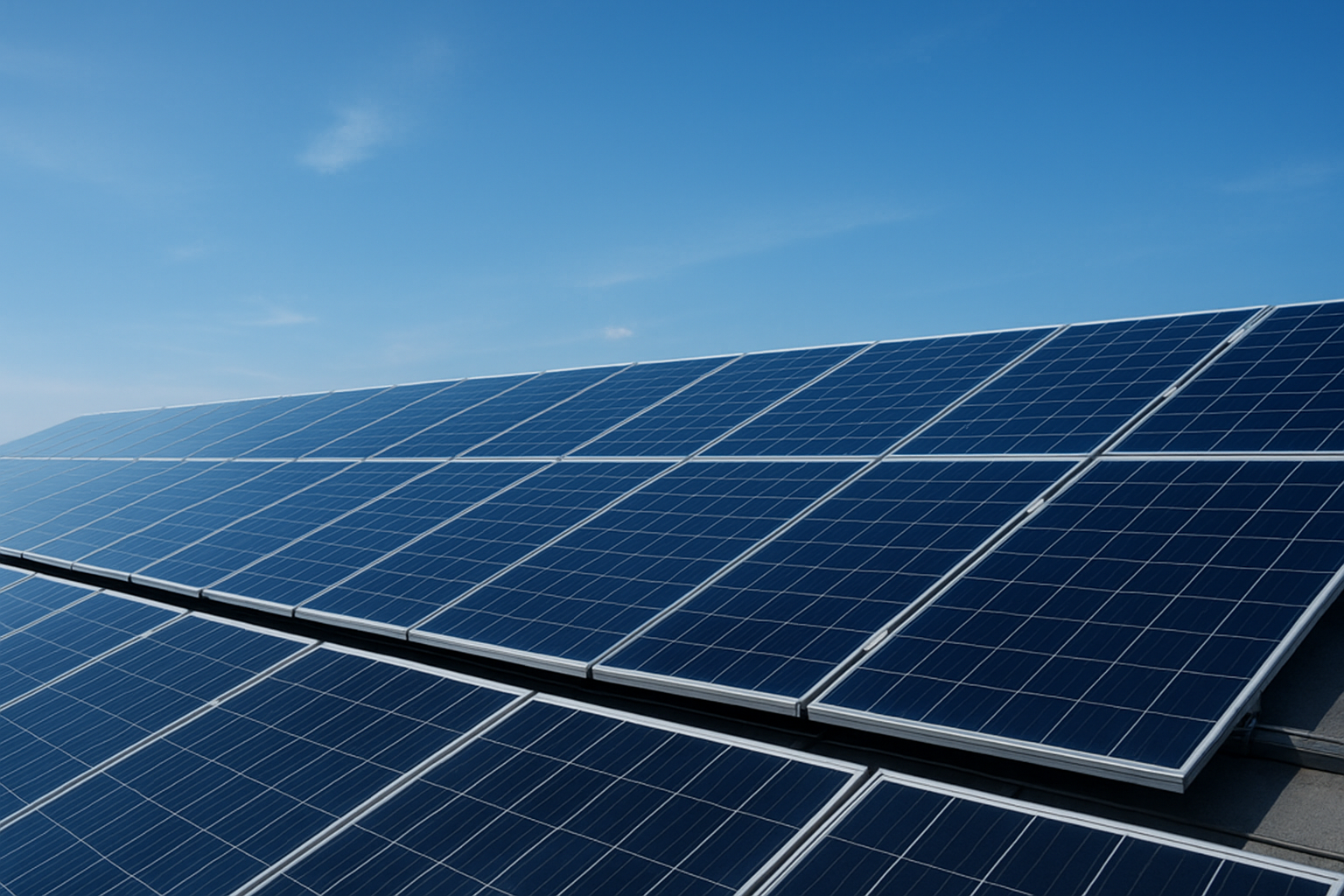
The Institute for Energy Economics and Financial Analysis (IEEFA) says reforming how rooftop solar is incentivised could accelerate deployment and ease pressure on gas-fired electricity, including liquefied natural gas (LNG) units used for peak supply.
The analysis highlights that current policy and tariff frameworks often leave distributed solar economically disadvantaged compared with centralized generation. IEEFA argues that correcting these distortions would lower barriers for households and businesses to install rooftop systems.
Key areas identified include clearer and fairer net‑metering arrangements, reduction of discriminatory fixed charges, and tariff designs that reflect time‑of‑use value. Strengthening incentives for pairing solar with battery storage can also increase the ability of rooftop systems to substitute for peak‑period LNG generation.
Beyond consumer economics, the report links incentive reform to broader energy security and cost outcomes. By reducing peak demand met by gas turbines, greater rooftop solar deployment can limit fuel import exposure and stabilise system costs over time.
IEEFA urges regulators and policymakers to design predictable, technology‑neutral policies that support distributed generation without shifting undue costs to other consumers. The organisation recommends coordination between tariff authorities, grid operators and climate policymakers to align goals.
Industry stakeholders say redesigned incentives would also attract private investment in distributed energy and storage, improving grid resilience. IEEFA calls for timely action to ensure rooftop solar contributes effectively to decarbonisation and energy security objectives.
FAQs
What does IEEFA recommend to boost rooftop solar?
IEEFA recommends reforming tariff structures, clarifying net‑metering, reducing discriminatory charges and incentivising storage to make rooftop solar more attractive.
How can rooftop solar reduce LNG use?
Distributed solar, especially when paired with batteries, can lower peak electricity demand that is often met by LNG‑fired plants, reducing fuel consumption and imports.
What is net metering and why does it matter?
Net metering allows rooftop generators to offset their consumption with exported electricity. Clear, fair rules help ensure financial viability for installations.
Do rooftop systems need batteries to impact LNG demand?
Batteries increase the value of rooftop solar by shifting generation into peak periods, making it more effective at replacing gas peakers, though daytime reductions still help.
What barriers currently limit rooftop solar growth?
Common barriers include unfavourable tariff designs, unclear interconnection rules, high upfront costs and insufficient incentives for storage integration.
What should policymakers do next?
Policymakers should review tariffs and net‑metering, promote storage, and coordinate stakeholders to align distributed solar deployment with energy security and decarbonisation goals.