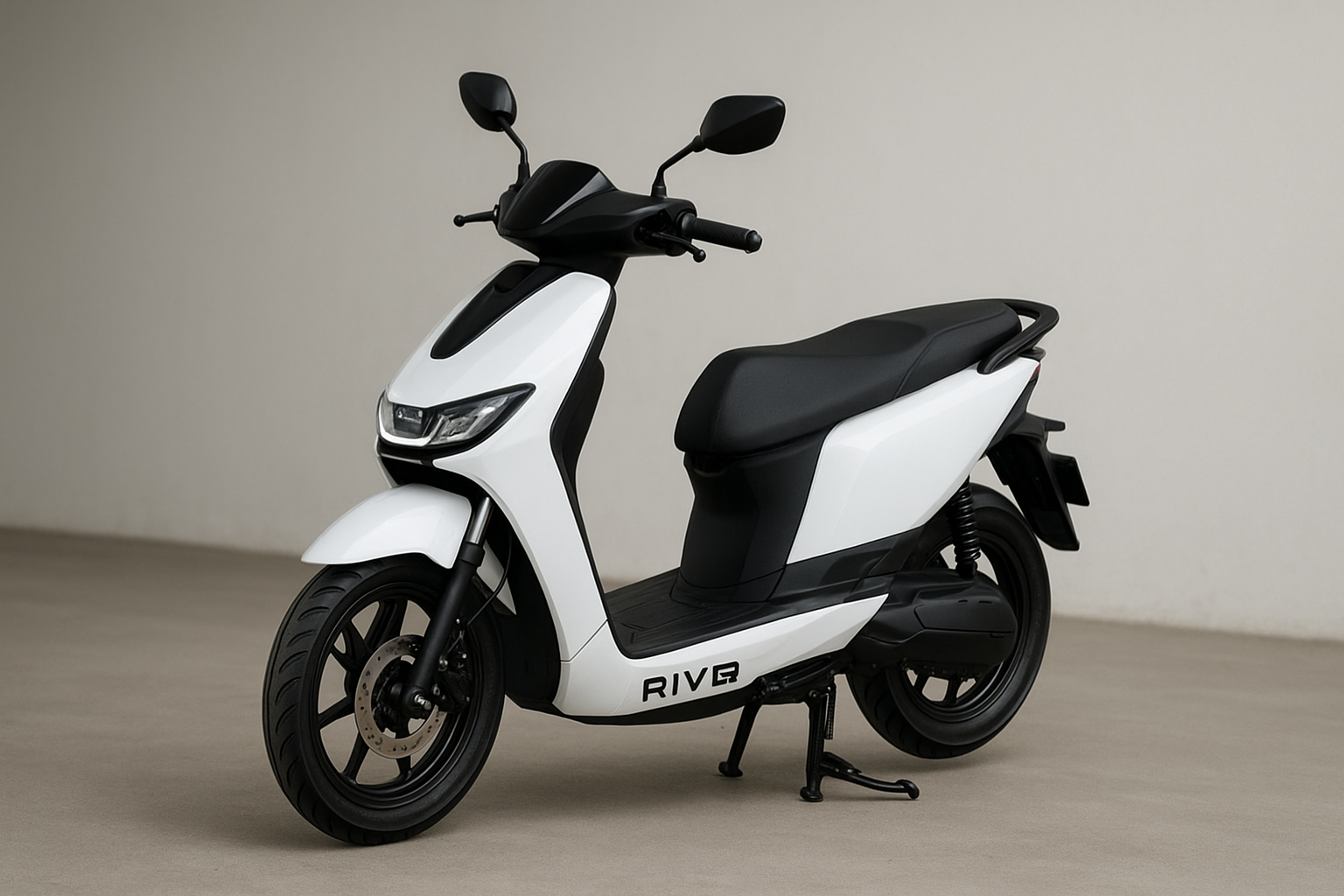
Indian electric two-wheeler maker River has raised $120 million in a Series C funding round to scale production and introduce additional models, TechCrunch reported. The capital follows the company’s growth after commercializing an initial single model, and will be directed toward expanding manufacturing capacity and product offerings.
Overview
River is among a new wave of Indian startups focused on electrifying urban mobility through battery-powered two-wheelers. The Series C injection is intended to accelerate production scale-up and support development of further variants beyond the company’s early model.
The funding round reflects a broader trend of investor interest in India’s EV supply chain, where two-wheelers represent a substantial portion of vehicle sales and electrification potential. River’s move comes as startups and legacy manufacturers vie to capture market share in cities across the country.
Why This News Matters
Two-wheelers are central to daily transport in India, and electrifying this segment is key to cutting urban emissions and reliance on imported fossil fuels. Fresh capital for a domestic EV maker signals continued confidence in demand for electric scooters and motorcycles.
Scaling production can reduce unit costs and improve availability, which in turn may accelerate consumer adoption. New models can broaden appeal across price points and use cases, from commuters to fleet operators.
Industry Perspective
The EV two-wheeler market in India is competitive and fast-moving, with numerous startups and established players investing in product development and local manufacturing. Success hinges on managing battery supply, production quality and distribution networks.
Manufacturing scale is also closely linked to localization of parts and battery sourcing. Companies that secure reliable suppliers and optimize supply chains tend to achieve lower costs and faster delivery times as they ramp up.
Future Outlook
River’s new capital should allow it to increase output and bring additional models to market, though the company’s exact production and launch timetables were not detailed in the report. Execution will depend on factory ramp-up, supply-chain continuity and market acceptance.
Broader industry factors will influence outcomes: charging and battery infrastructure, regulatory incentives, raw material prices and consumer financing options all play a role in how rapidly two-wheeler electrification progresses.
Key Highlights
- Funding amount: River raised $120 million in a Series C round.
- Primary aims: The funds will be used to scale production capacity and unveil additional models.
- Growth path: The company scaled initial operations around a single model before seeking this round.
- Market signal: The raise underscores investor interest in India’s electric two-wheeler sector.
- Operational focus: Priorities are expected to include manufacturing scale, product diversification and go-to-market expansion.
Frequently Asked Questions
Who is River?
River is an Indian electric two-wheeler startup that commercialized an initial model and has moved to expand production and product offerings. The company focuses on battery-electric scooters and motorcycles for urban mobility.
How much did River raise in this funding round?
According to the TechCrunch report, River raised $120 million in a Series C financing round to support scaling and new model development.
What will the funds be used for?
The capital is intended to scale manufacturing capacity and support the launch of additional vehicle models. Specific allocation details were not disclosed in the report.
Which models will River launch next?
The company has not provided a detailed public roadmap of upcoming models in the report. The funding indicates plans to broaden the product lineup beyond the initial model.
When will River increase production?
A timeline for scaled production was not specified in the coverage. Actual ramp-up will depend on factory expansion, supply-chain readiness and regulatory clearances where applicable.
What does this mean for consumers and the market?
Additional investment in domestic EV makers can improve product availability, reduce prices over time and increase choices for consumers. Widespread adoption will also rely on supporting infrastructure, financing and policy frameworks.