Tata AVINYA Concept: What to Expect from India’s Next-Generation Electric Vehicle in 2027
-2.png&w=3840&q=75)
CleanTech Journal Desk
Published •Updated •27 min read
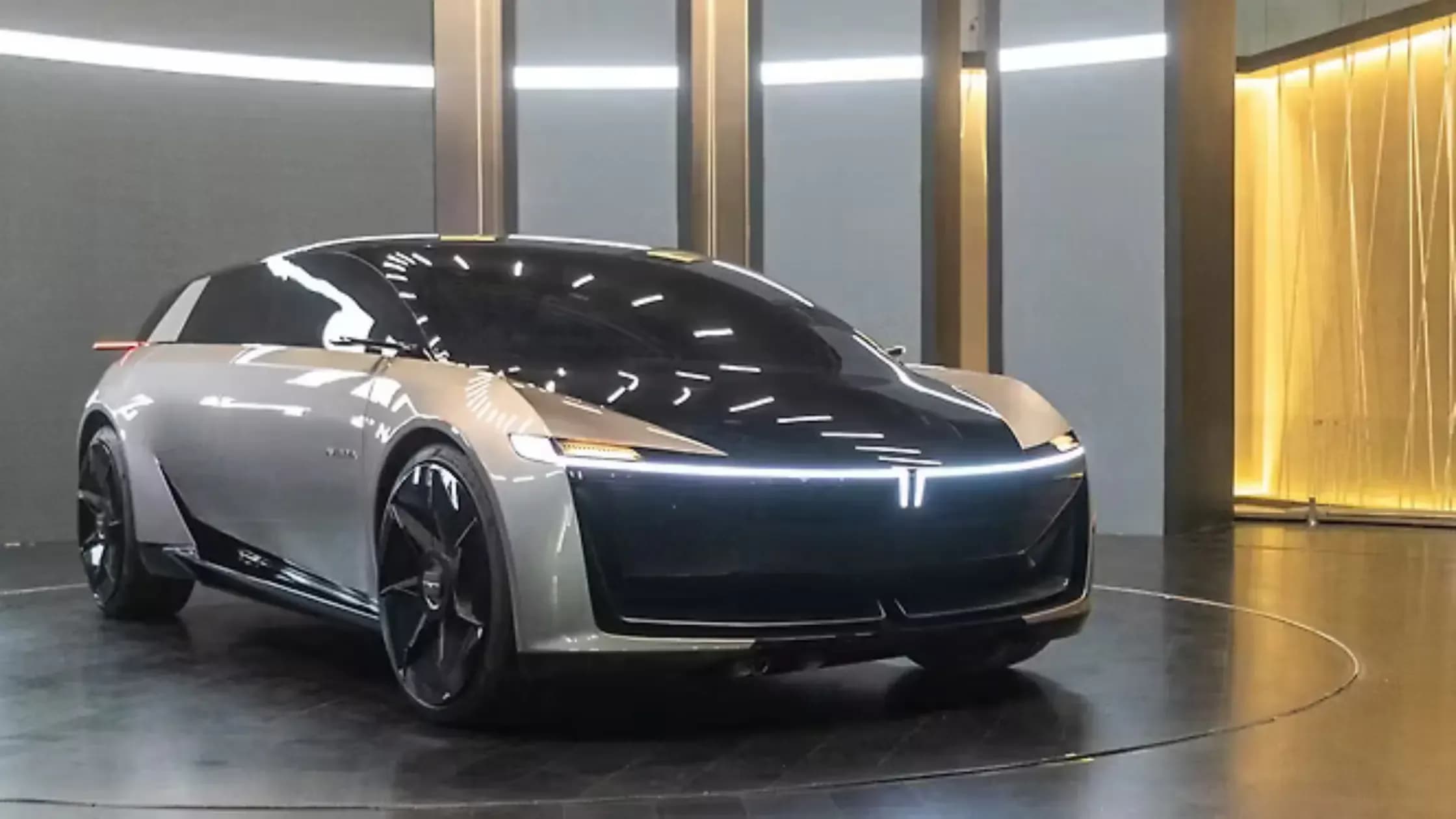
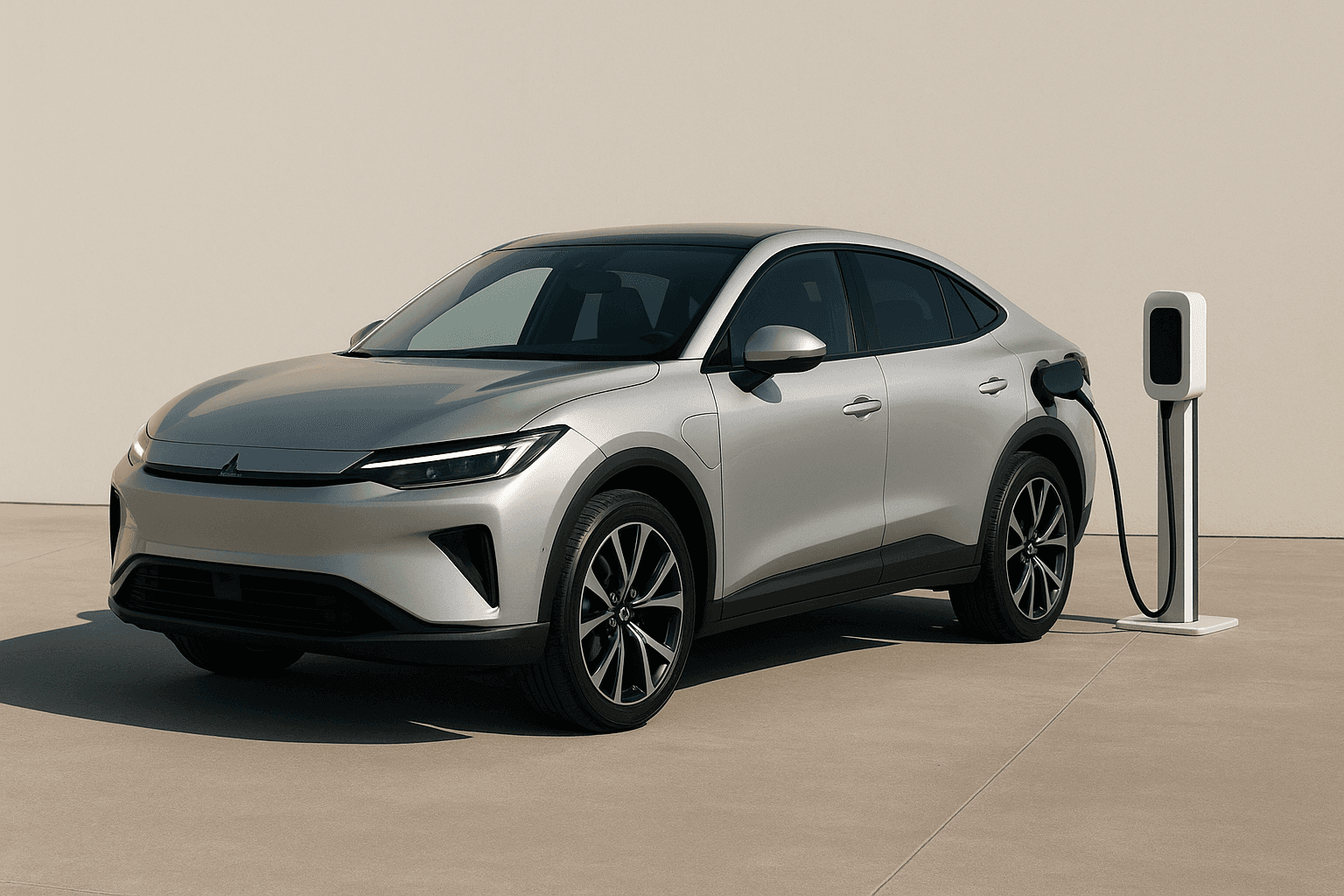
Tata Passenger Electric Mobility (TPEM) has unveiled the AVINYA Concept, a next-generation electric vehicle built on the company’s Pure EV Gen 3 architecture. Targeted for a 2027 market launch, AVINYA signals Tata Motors’ most ambitious step yet in redefining what an electric vehicle can be for Indian and global buyers.
Platform and Architecture
Is Tata building a new EV platform for 2027?
The AVINYA is built on Tata’s Pure EV Gen 3 architecture, the company’s most advanced electric platform to date. It is engineered with lightweight materials, enhanced waterproofing, dust resistance, and optimised structural rigidity, making it suitable for diverse road and weather conditions across Indian and global markets.
Does the Tata AVINYA support ADAS and AI features?
The Pure EV Gen 3 platform supports next-generation connectivity, ADAS (Advanced Driver Assistance Systems), and artificial intelligence integration. These systems work together to improve safety, energy efficiency, and the overall driving experience without requiring constant driver input for routine tasks.
Platform Feature | Detail |
|---|---|
Architecture | Pure EV Gen 3 |
Driver Assistance | ADAS with AI integration |
Connectivity | Next-generation onboard connectivity |
Build Quality | Lightweight materials with dust and waterproof protection |
Structural Design | Optimised rigidity for varied road conditions |
Range and Charging
Which upcoming Indian EV will offer 500 km range?
The AVINYA is being engineered to deliver a minimum driving range of 500 km on a full charge. This positions it competitively against premium electric vehicles globally, where 500 km has become the benchmark buyers expect before committing to a purchase.
Can the Tata AVINYA charge in under 30 minutes?
Tata states the AVINYA battery system is designed to charge to a usable level in under 30 minutes. For a daily commuter in a city like Mumbai or Bengaluru, a lunch break charge is enough to cover an evening of driving and the following morning’s commute.
Capability | Specification |
|---|---|
Driving Range | Minimum 500 km on full charge |
Charging Time | Under 30 minutes to usable level |
Charging Type | Ultra-fast charging compatible |
Design and Body Style
Is the Tata AVINYA an SUV, hatchback, or MPV?
AVINYA introduces a new vehicle category that blends the compact footprint of a premium hatchback, the elevated stance of an SUV, and the cabin space of an MPV. The result is a vehicle that fits urban parking constraints while offering interior room closer to a seven seater.
What does the name AVINYA mean in Sanskrit?
AVINYA is derived from the Sanskrit word for innovation. The name reflects Tata’s intent to position this vehicle not as an upgrade to an existing model but as a genuinely new class of electric mobility.
Design Element | Description |
|---|---|
Vehicle Category | Hatchback + SUV + MPV crossover |
Doors | Butterfly doors |
Roof | Panoramic sky dome |
Name Origin | Sanskrit word for innovation |
Interior and Cabin Experience
Which new EV is launching without a touchscreen in India?
The AVINYA cabin follows a minimalist, screen-less design philosophy, a deliberate move away from the large touchscreen heavy interiors common in modern EVs. Key features include a panoramic sky dome roof, butterfly doors, voice activated controls, sustainable interior materials, an aroma diffuser system, and a console inspired steering wheel with integrated controls.
Why is Tata removing screens from the AVINYA interior?
The screen-less cabin is designed to reduce driver distraction and improve passenger wellbeing, a concept increasingly referenced in automotive design as calm technology. Rather than demanding attention, the AVINYA interior is built to recede into the background, letting occupants focus on the journey or each other.
Interior Feature | Detail |
|---|---|
Display Philosophy | Screen-less, distraction-free cabin |
Controls | Voice activated with console inspired steering wheel |
Roof | Panoramic sky dome for natural light |
Doors | Butterfly door configuration |
Materials | Sustainable, eco-friendly interior fabrics |
Ambience | Integrated aroma diffuser technology |
How AVINYA Compares to Existing Tata EVs
How is the Tata AVINYA different from the Nexon EV and Punch EV?
The AVINYA is not a replacement for the Nexon EV or Punch EV. It occupies a higher segment, on a newer platform, with longer range and faster charging. Where existing Tata EVs target everyday mass market buyers, AVINYA is positioned as a premium electric vehicle for buyers who want more space, more technology, and a more refined ownership experience.
Model | Platform | Est. Range | Segment |
|---|---|---|---|
Tata Punch EV | Gen 2 | Up to 421 km | Mass market compact |
Tata Nexon EV | Gen 2 | Up to 465 km | Mass market SUV |
Tata AVINYA (2027) | Gen 3 | 500 km minimum | Premium crossover |
FAQs
When is the Tata AVINYA launching in India?
Tata Motors has indicated a 2027 target for the AVINYA market entry. The 2025 concept unveiling gives the company approximately two years to finalise production engineering, charging infrastructure alignment, and pricing strategy.
What is Tata Pure EV Gen 3 architecture and how is it different from Gen 2?
Pure EV Gen 3 is Tata Motors’ third generation dedicated electric vehicle platform. Unlike earlier platforms adapted from existing combustion vehicle bases, Gen 3 is built ground up for electric mobility, optimising battery placement, weight distribution, safety structures, and software integration from the start.
Is the Tata AVINYA suitable for Indian roads and monsoon conditions?
Yes. The Pure EV Gen 3 platform has been developed with advanced waterproofing, dust protection, and structural rigidity specifically tested for diverse operating conditions, covering the varied road quality, monsoon flooding, and temperature extremes found across Indian markets.
Will the Tata AVINYA get over the air software updates like Tesla?
While not explicitly confirmed, the platform’s emphasis on next generation connectivity and AI integration strongly suggests OTA (over the air) update capability, a feature that allows manufacturers to improve vehicle software remotely after purchase without a service centre visit.
What eco-friendly materials are used inside the Tata AVINYA?
Tata has confirmed the use of sustainable interior materials in the AVINYA cabin, though specific sourcing details have not yet been disclosed. This aligns with a broader industry shift toward recycled fabrics, plant based leathers, and low emission manufacturing processes in premium EV interiors.
Is Tata AVINYA a good EV to buy in India in 2027?
For buyers seeking a premium electric vehicle with 500 km range, ultra-fast charging, and a spacious cabin in a compact body, AVINYA addresses all three needs in one platform. Final pricing and variant details will determine how competitive it is against global rivals entering the Indian market around the same period.