
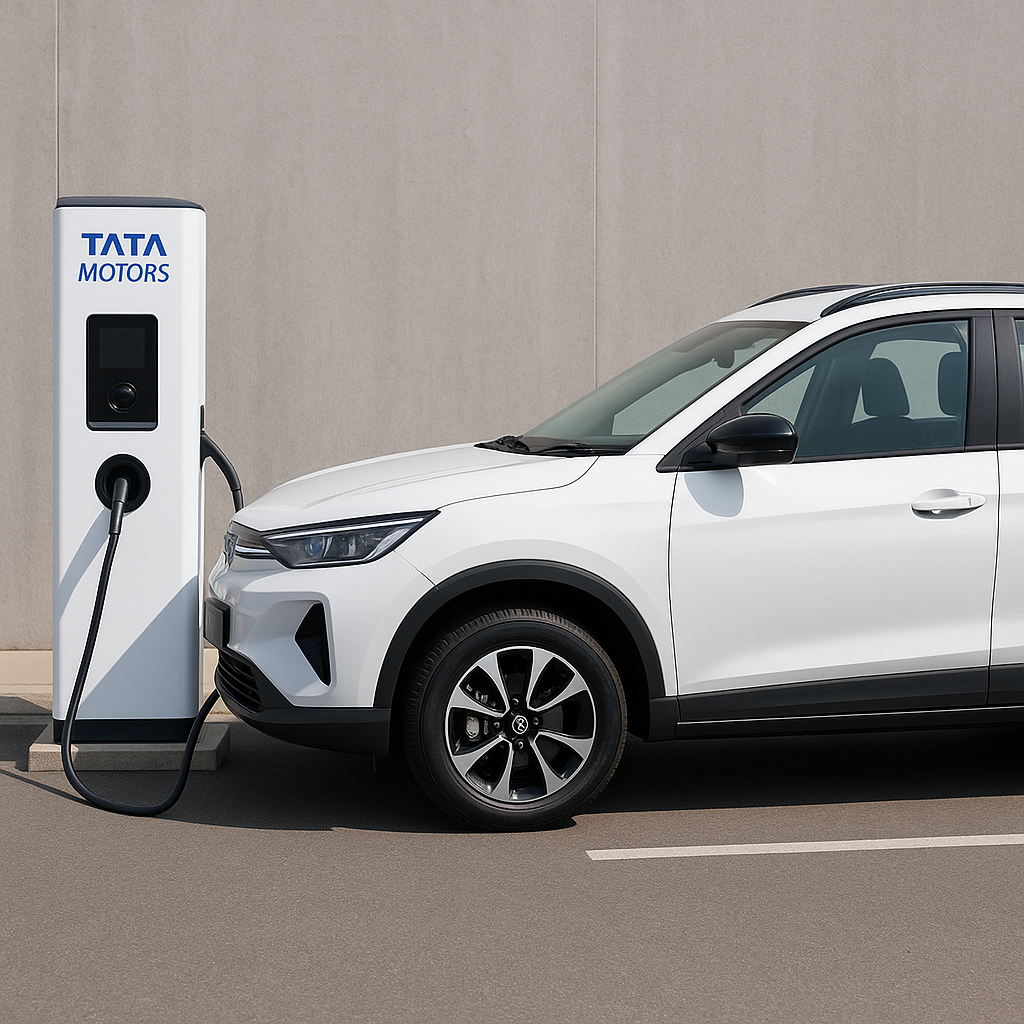
Tata Motors reported a significant uptick in sales activity in July 2026, with overall volumes rising and electric vehicle deliveries reaching a new monthly high. The figures, compiled by AutoPunditz, mark a notable moment for the company’s transition toward electric mobility.
Overview
AutoPunditz reported that Tata Motors’ sales climbed 59% in July 2026, while electric vehicle volumes reached a record 15,217 units. The data suggests stronger demand for passenger vehicles, particularly battery-electric models, during the month.
The rise comes amid a broader industry push toward electrification and tighter competition in India’s passenger vehicle market. Tata Motors has positioned itself as a leading EV manufacturer in the country, and the July numbers underscore that trajectory.
Why This News Matters
A sustained increase in sales and record EV deliveries have multiple implications for the domestic auto sector. For manufacturers, higher EV volumes can validate investments in product development, production capacity and distribution networks.
For policymakers and infrastructure providers, stronger EV adoption places a spotlight on charging networks, grid readiness and incentives. For consumers, rising sales can boost confidence in vehicle availability and after-sales support.
Industry Perspective
The Indian auto market is navigating a transition from internal combustion engines to electric drivetrains, with manufacturers, suppliers and dealers adjusting strategies. A single month of elevated sales does not guarantee a long-term trend, but record EV volumes are a positive signal for the sector.
Automakers are balancing volume growth with supply chain pressures, semiconductor availability and raw material cost dynamics. Observers note that maintaining momentum will depend on consistent supply, competitive pricing and accessible charging infrastructure.
Future Outlook
Looking ahead, the key questions are whether elevated EV deliveries can be sustained over coming months and how competitors will respond. Sustained gains would likely accelerate investments in production capacity and dealer readiness.
Charging infrastructure expansion and grid upgrades remain essential to support higher EV penetration. Industry participants and policymakers will watch monthly sales data for signs of a durable shift in consumer preferences toward electric vehicles.
Key Highlights
- Sales increase: Tata Motors reported a 59% rise in July 2026 sales, according to AutoPunditz.
- Record EV volumes: Electric vehicle deliveries reached 15,217 units, a monthly high for the company.
- Signals of EV demand: The figures point to growing consumer interest in battery-electric models in India.
- Market implications: Higher EV output could influence competitor strategy and supplier planning.
- Infrastructure needs: Continued growth will increase urgency around charging networks and grid readiness.
Frequently Asked Questions
How were these figures reported?
The sales and EV volume figures for July 2026 were reported by AutoPunditz, which aggregates industry data and market analysis.
Does the report detail which models contributed most to EV volumes?
The AutoPunditz summary highlights total EV volumes but does not provide a model-by-model breakdown in its public commentary.
Are these numbers indicative of a long-term shift to EVs in India?
While a record month is a positive indicator, long-term electrification depends on sustained consumer demand, supportive policy, competitive pricing and expanded charging infrastructure.
What are the immediate industry implications of the sales jump?
Immediate implications include potential adjustments to production planning, inventory management and supply chain prioritization as manufacturers respond to rising EV demand.
Will this affect Tata Motors’ financial results?
Monthly volume increases can influence revenue and margin dynamics, but comprehensive financial impact depends on pricing, mix, costs and official quarterly reporting.
How does infrastructure factor into maintaining these EV volumes?
Charging availability, grid capacity and service networks are critical for sustaining EV adoption; gaps in infrastructure can constrain growth despite strong initial sales.
Note: All sales figures referenced in this article are drawn from the AutoPunditz report summarising Tata Motors’ July 2026 performance.