News at Glance
- 20,000 MW by 2030 is the solar capacity target Telangana is pursuing, according to Bhatti.
- 26,000 MW by 2035 is the extended target for the state’s solar portfolio.
- Significant scale-up needed across deployment, grid integration and financing to meet the targets.
State sets specific multi-stage solar targets to drive capacity additions
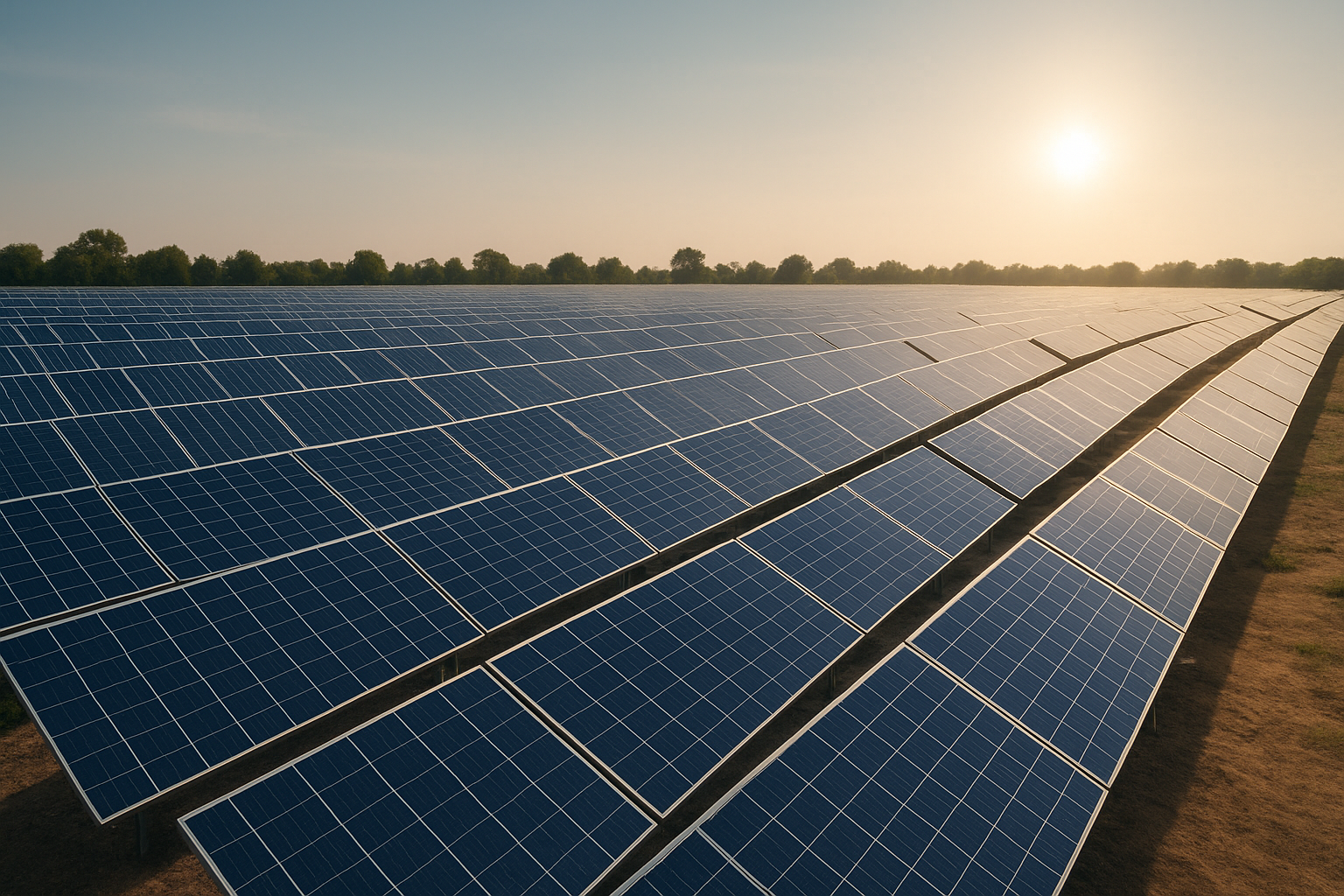
Telangana has set explicit solar capacity goals of 20,000 MW by 2030 and 26,000 MW by 2035, according to Bhatti. The announcement frames the state’s ambition for a multi-year expansion of utility-scale and distributed solar generation.
The declaration did not detail the mix of project types, procurement mechanisms or financing structures that will be used to hit the targets. Those specifics are typically addressed through auctions, public-private partnerships and policy directives when states move from targets to implementation.
Meeting such targets requires coordinated grid planning to manage variable output, and investments in transmission, balancing resources and potentially energy storage. Grid-strengthening and forecasting are central to integrating large volumes of solar without compromising reliability.
Land availability and permitting are common constraints for rapid solar rollouts. Developers often pursue a blend of land-based parks, rooftop systems, and hybrid projects to optimise space and grid connections, although the Telangana announcement did not specify a preferred route.
Financing and offtake arrangements will influence project pace. Standard tools include long-term power purchase agreements, competitive auctions and state-level incentives. The announcement did not include financial commitments or a timetable of auctions.
Industry participants and policymakers will watch for follow-up measures that translate the stated targets into actionable programmes. In the absence of further detail, stakeholders must wait for implementation plans that set procurement, siting and grid upgrade schedules.
FAQs
What targets did Telangana announce?
Telangana is aiming for 20,000 MW of solar capacity by 2030 and 26,000 MW by 2035, as stated by Bhatti.
Does the announcement specify project types or auction plans?
No. The statement did not provide details on the mix of utility-scale, rooftop or hybrid projects, nor on procurement timelines or auction rounds.
What are the main challenges to meeting these targets?
Key challenges typically include land availability, grid integration, transmission upgrades, financing and timely regulatory approvals.
Will the state need energy storage?
Large-scale solar deployment commonly benefits from storage and flexible generation to balance variability, but the announcement did not mention specific storage plans.
How will projects likely be financed?
Financing routes usually involve developer equity, bank debt, bonds, and long-term power purchase agreements; no financing details were provided in the announcement.
When will details on implementation be released?
The announcement did not include a timeline for implementation measures; stakeholders will look for subsequent policy notes, auction schedules or state directives for specifics.