
News at Glance
- UltraTech’s Chhattisgarh plant now runs fully on renewable electricity, S&P Global reported.
- Report did not disclose sourcing details such as contract types, capacity or technology mix used to meet the plant’s power demand.
- Move signals growing corporate demand for green power as heavy industries seek to reduce operational carbon exposure.
Renewable supply lowers UltraTech’s carbon exposure at Chhattisgarh facility
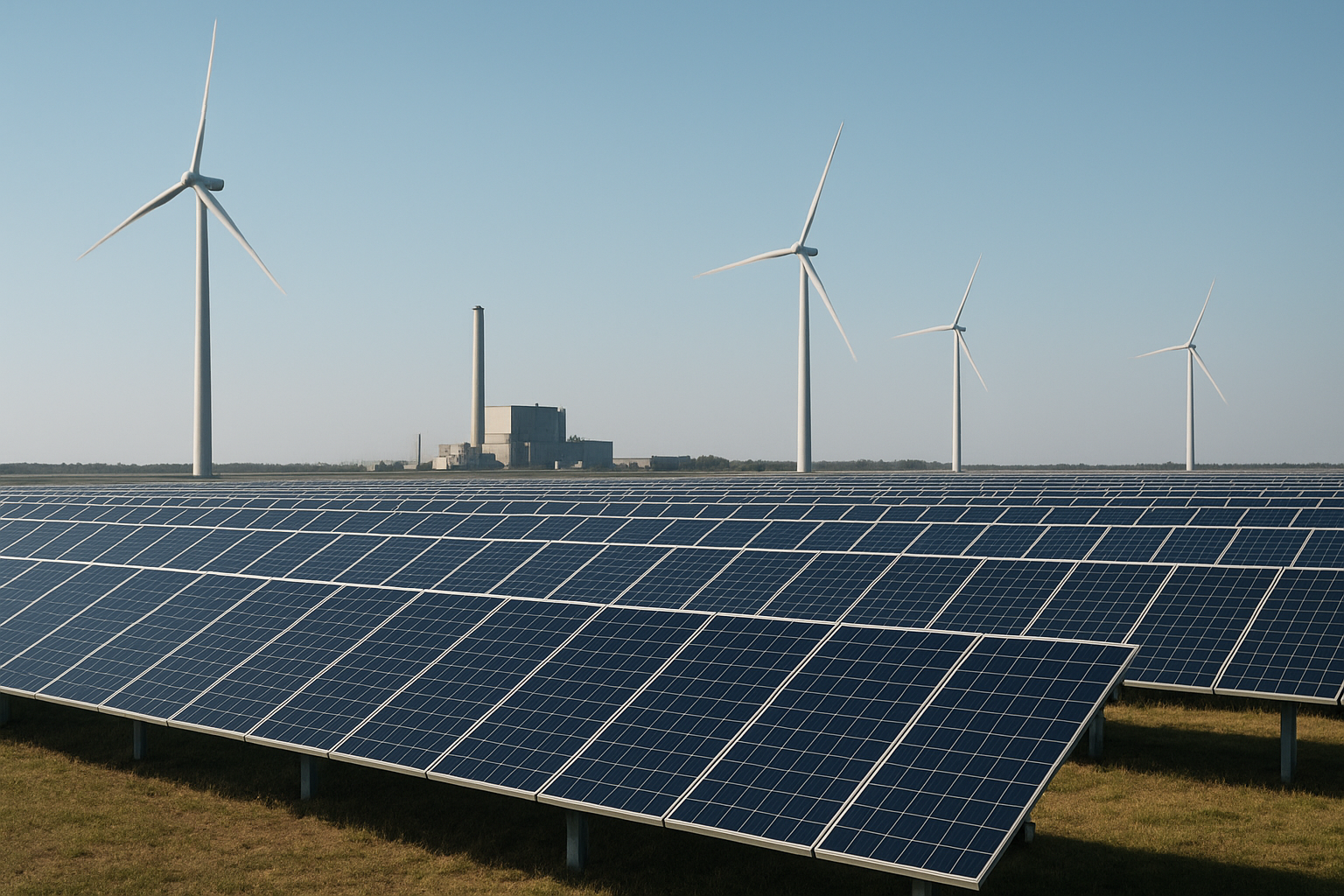
S&P Global reported that UltraTech has shifted the electricity supply for its Chhattisgarh cement plant to sources classified as renewable. The company and the report did not provide a breakdown of how the green power is being supplied or verified.
In similar corporate transitions, firms typically use a mix of direct procurement such as power purchase agreements, third‑party supply arrangements, onsite generation and market instruments like renewable energy certificates. Each route has different implications for grid impacts and emissions accounting.
The cement sector is energy‑intensive and reliant on process heat and electricity. Switching the grid‑supplied electricity portion of operations to renewables can reduce a plant’s scope 2 emissions, though clinker and fuel emissions remain a core decarbonisation challenge.
Analysts and stakeholders often look for details on contract terms, additionality, and verification to assess the climate benefit of corporate green power claims. Greater transparency helps investors, regulators and customers judge whether a procurement approach delivers long‑term emissions reductions.
UltraTech’s reported shift adds to a broader trend of industrial buyers increasing renewable demand in India. If verified and scalable, such moves can influence market development for renewables and encourage complementary measures—such as electrification of thermal processes and adoption of low‑carbon fuels—to cut total sector emissions.
FAQs
How can a cement plant run entirely on green electricity?
A cement plant can meet its electricity needs from green sources through direct renewable contracts, onsite solar or wind installations, third‑party supply agreements or by buying verified renewable energy certificates that match its consumption.
What is a corporate power purchase agreement (PPA)?
A corporate PPA is a long‑term contract in which a company agrees to buy electricity directly from a renewable energy generator, providing revenue certainty to support project development and securing predictable green power for the buyer.
Do renewable energy certificates (RECs) make power use green?
RECs represent the environmental attributes of renewable electricity generation and can be used to claim renewable consumption; however, the climate impact depends on the certificate’s verification, additionality and how regional grids balance supply.
Will switching to renewable electricity eliminate a cement plant’s emissions?
No. Switching electricity to renewables reduces scope 2 emissions, but cement production also emits CO2 from chemical processes and fuel combustion, which require separate mitigation measures like fuels switching and carbon capture.
What verification is important for corporate renewable claims?
Key verification elements include contract disclosure, third‑party certification, tracking of energy attribute certificates and evidence of additional renewable capacity enabled by the procurement.
Why is industrial demand for renewable power significant in India?
Industrial demand drives long‑term renewable investment, helps integrate larger shares of clean energy into the grid and supports national decarbonisation goals by reducing emissions from electricity consumption in energy‑intensive sectors.