News at Glance
- Industrial Info reports a quarterly record for U.S. energy storage deployments.
- Market momentum is broadening with growing activity across utility-scale and distributed projects.
- Storage is playing an expanding role in grid flexibility, reliability and renewable integration.
Industrial Info Cites Highest Quarterly Additions in U.S. Storage Market
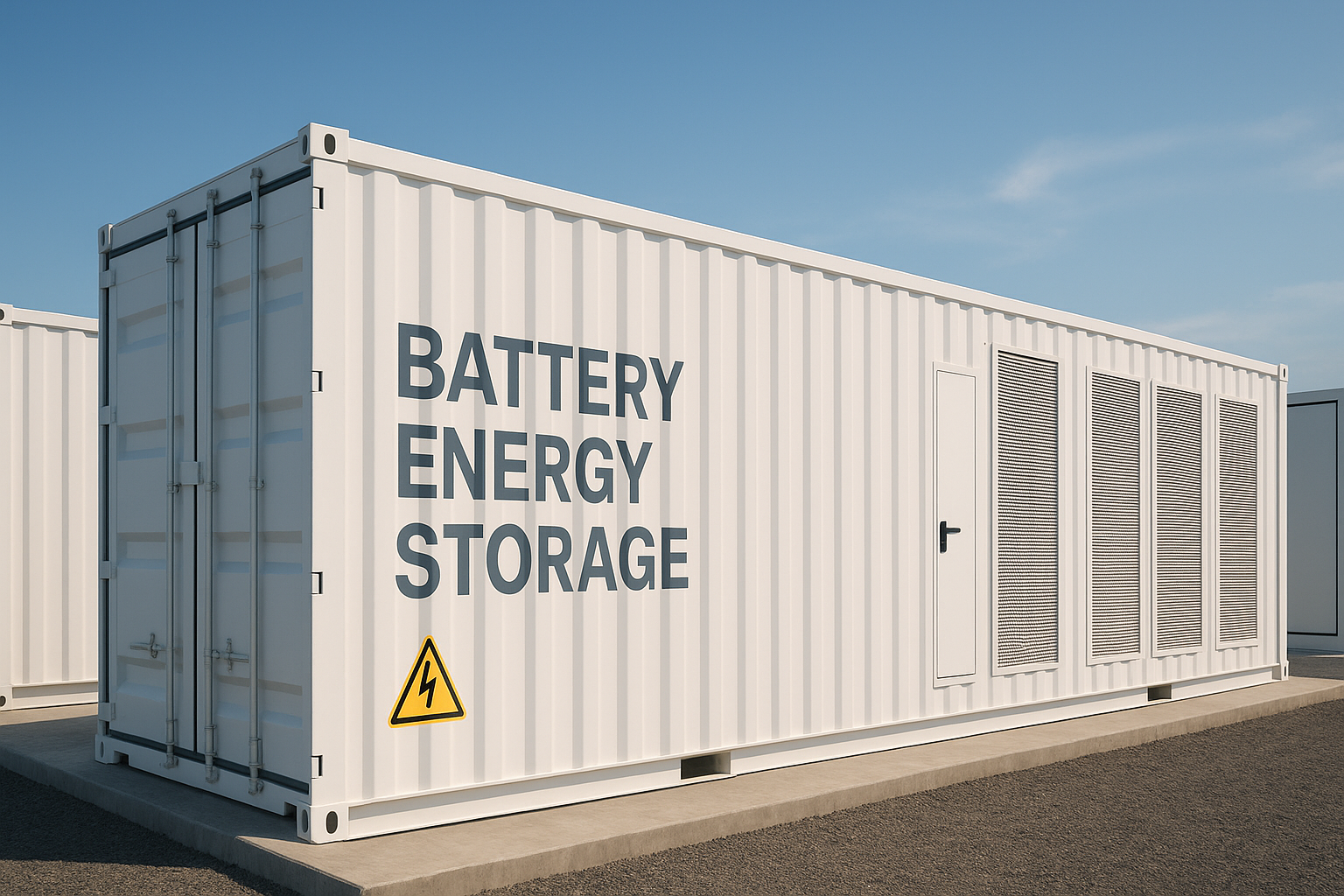
Industrial Info has documented a new quarterly high for energy storage deployments in the United States, underscoring accelerating investment in battery systems and other storage technologies.
The report attributes the rise to heightened project development and commissioning across multiple markets, with deployments spanning large utility projects as well as commercial and industrial installations. Observers say the trend reflects a maturing sector responding to grid needs.
Energy storage is increasingly used to smooth variable renewable output, provide capacity during peak demand and support local resilience. Developers and grid operators are integrating batteries to address short-duration capacity and to optimise transmission and distribution assets.
Cost declines in battery technologies, improved system design and growing operational experience have combined to expand deployment opportunities. While specifics vary by state and market segment, the overall trajectory points toward larger and more frequent project announcements.
Permitting, interconnection timelines and supply-chain considerations remain important factors shaping pacing and location of deployments. Market participants continue to track these constraints alongside policy incentives and utility procurement plans.
Industry analysts expect storage to remain a central element of power-system planning as states pursue clean-energy goals and utilities seek flexibility resources. The recent quarterly milestone highlights both near-term execution and a longer-term pipeline of projects that could sustain growth.
FAQs
What does it mean when U.S. energy storage deployments set a quarterly record?
It means that the amount of new energy storage capacity put into service during a single quarter exceeded previous quarters, indicating faster deployment activity and stronger installation rates for batteries and other storage systems.
Which types of projects contribute to quarterly storage deployment totals?
Totals typically include utility-scale battery projects, behind-the-meter commercial and industrial systems, and residential storage installations; some reports may also count non-battery technologies where applicable.
How does energy storage support renewable energy integration?
Storage absorbs excess generation during low-demand periods and discharges during peaks, smoothing variability from wind and solar and helping balance supply and demand on the grid.
What are common barriers to faster energy storage deployment?
Key barriers include permitting and interconnection delays, supply-chain constraints, financing complexity, and regulatory frameworks that are still evolving in many jurisdictions.
How do cost trends affect energy storage growth?
Falling equipment and installation costs improve project economics, making more projects viable and encouraging broader adoption across sectors and geographies.
Why are utilities and grid operators procuring more storage now?
Utilities seek storage for capacity, reserve services, frequency regulation and outage resilience, while operators use it to manage peak loads and integrate higher shares of intermittent renewables.