Us Solar Contracts Lead Amid Ai Demand and Fiscal Pressures, S&P Global Says
-2.png&w=3840&q=75)
CleanTech Journal Desk
Published •Updated •7 min read
News at Glance
- Solar led new US long-term power contracts, according to S&P Global analysis.
- AI-related electricity demand provided a market tailwind supporting procurement activity and capacity planning.
- Fiscal and financing pressures created headwinds that could raise costs and delay project closings.
Majority of recent US long‑term deals favoured solar, S&P Global finds
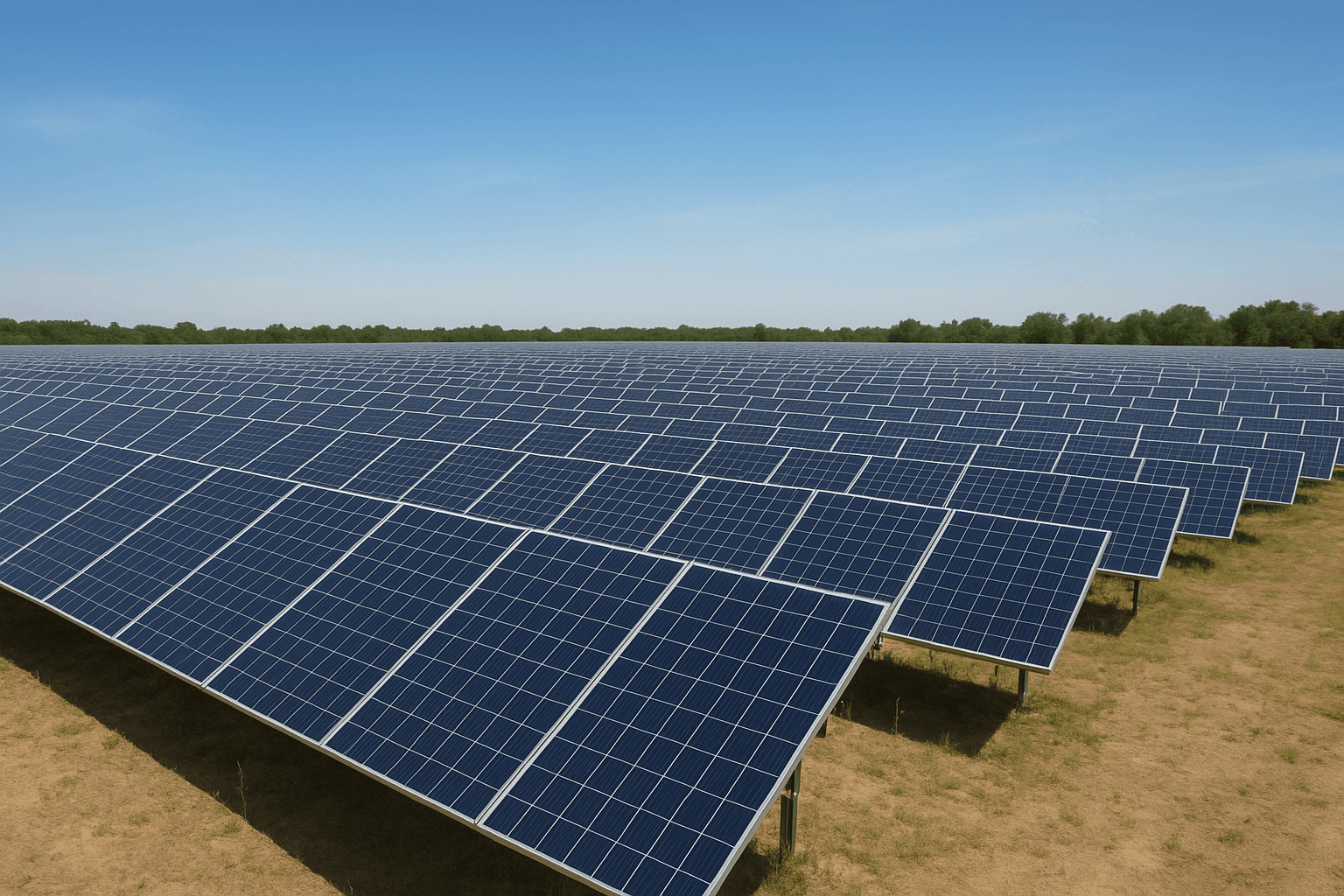
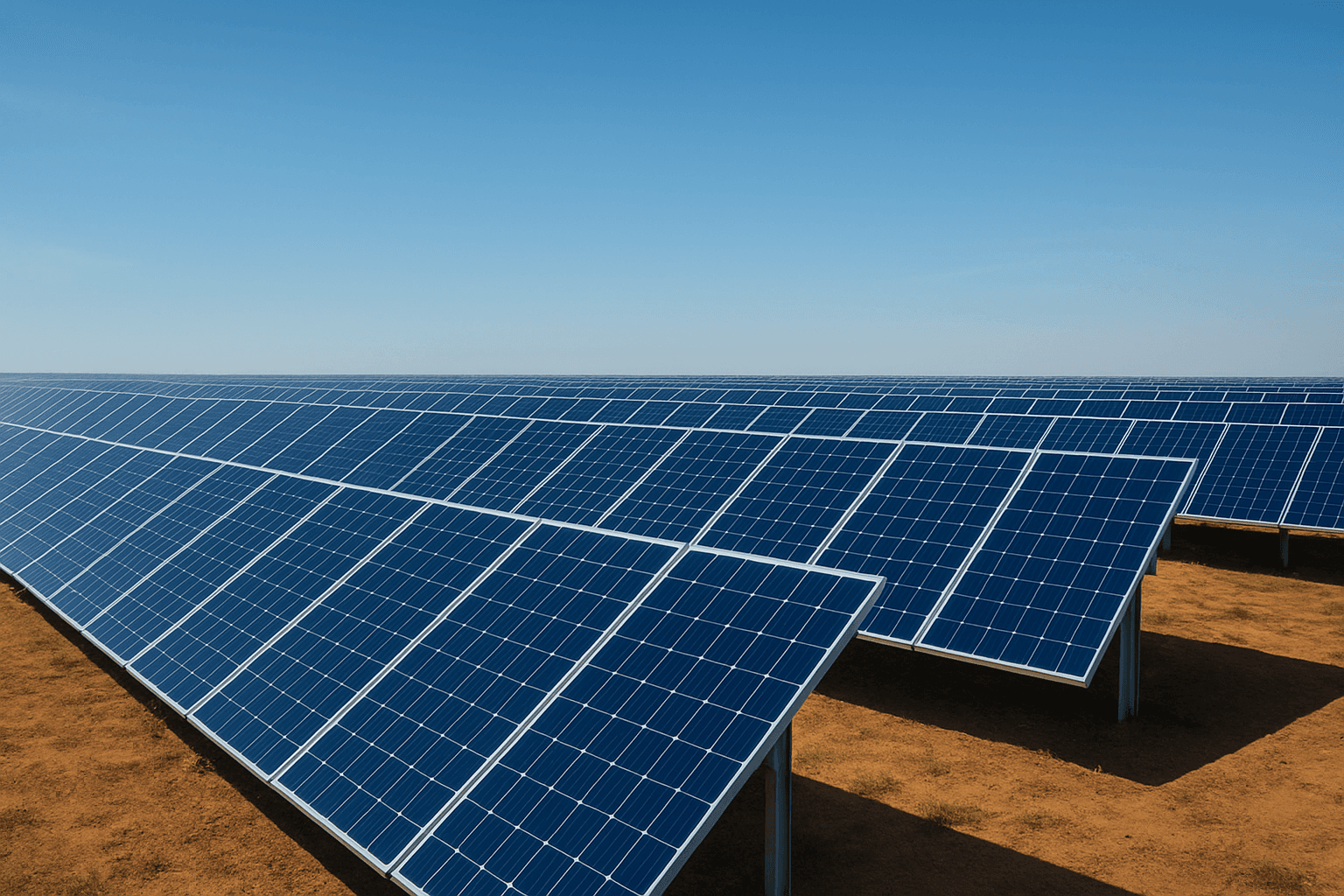
S&P Global reported that solar projects accounted for the largest share of newly signed long‑term power contracts in the United States. The analysis highlighted solar’s continued appeal to utilities, corporates and other large purchasers seeking predictable renewable supply.
Analysts cited a concurrent market dynamic in which expanding artificial intelligence (AI) compute needs are boosting demand for flexible and additional power capacity. That trend has encouraged some buyers to secure long‑term renewable supply to underpin data centre growth and corporate sustainability targets.
At the same time, S&P Global noted fiscal and financing pressures are acting as countervailing forces. Elevated borrowing costs and budget uncertainty for some offtakers and public entities can increase the cost of capital for developers and complicate transaction timelines.
Developers and buyers are responding with varied strategies, including contract structuring to share risk, shorter firming arrangements, and stronger credit protections. Utilities are also adjusting procurement calendars to balance near‑term reliability with long‑term decarbonisation goals.
Market participants said the interplay between robust demand drivers like AI and harsher financing conditions will shape the pace and composition of future procurement. Policymakers and lenders’ actions on fiscal policy and interest rates are likely to influence whether the current momentum in solar contracting persists.
FAQs
What is a long‑term power purchase agreement (PPA)?
A long‑term power purchase agreement is a contract between an electricity buyer and a generator to buy and sell power over multiple years, providing price certainty for the buyer and revenue stability for the project developer.
How does AI growth increase electricity demand?
AI growth drives demand by expanding data centre capacity and compute workloads, which require large, continuous power supplies and often incentivise buyers to secure dedicated renewable energy through contracts.
Why do higher interest rates create headwinds for renewable projects?
Higher interest rates raise the cost of capital for project financing, increasing overall project costs and reducing returns, which can slow new investments and complicate deal negotiations.
How can renewable developers mitigate financing risk in this environment?
Developers can mitigate risk by using creditworthy offtakers, flexible contract terms, hedging instruments, and alternative financing sources such as tax equity or corporate investment.
What role do utilities play in shaping renewable procurement amid these trends?
Utilities manage grid reliability while pursuing decarbonisation; they adjust procurement timing, portfolio mix, and contract structures to balance near‑term needs with long‑term renewable goals.
How might consumers be affected by shifts in renewable contracting and financing?
Consumers could see impacts through changes in utility rates, investment in grid upgrades that improve reliability, and the pace at which renewable generation displaces fossil fuels in electricity supply mixes.