
News at Glance
- Walmart and Ionna have posted lower fast-charging prices at select U.S. sites, according to recent public listings.
- Reduced tariffs at retail locations could pressure other charging networks to adjust pricing or introduce new access models.
- Drivers may benefit from cheaper top-ups, while operators face questions about margins, site economics and long-term strategy.
Lower Prices at Retail Sites Highlight Competitive Pressure in U.S. Charging Market
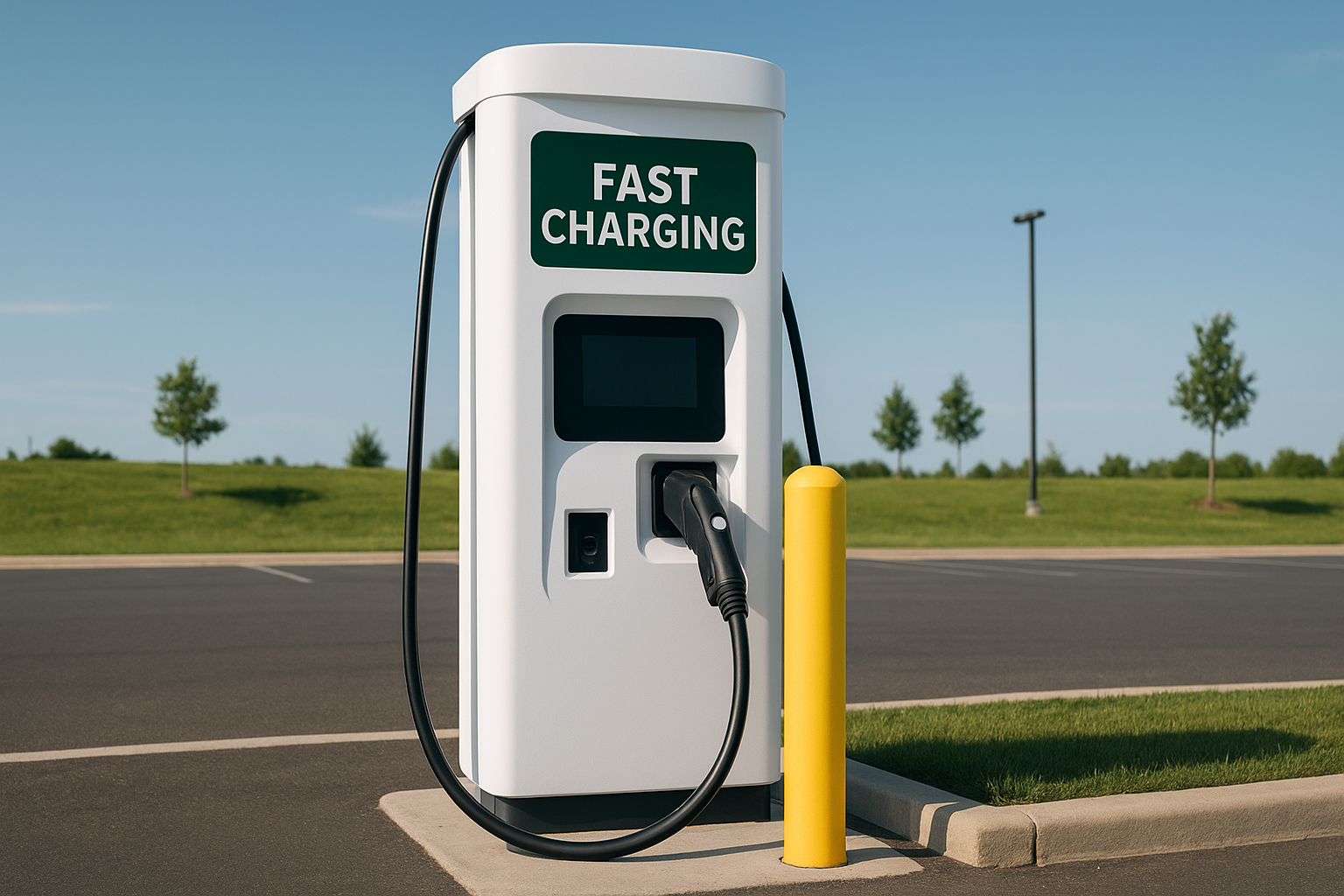
Recent public price listings show Walmart and Ionna offering reduced rates at some fast-charging locations, a move that market observers say could intensify competition in the U.S. charging sector.
Retail operators like Walmart have been expanding EV charging as part of a convenience play, while independent network operators seek scale and utilization. Lower prices at visible retail sites can quickly influence driver expectations and travel choices.
Cheaper fast charging benefits EV owners who top up on longer trips, but it also raises questions about how operators cover capital and operating costs for high-power equipment. Site electricity tariffs, network fees and uptime obligations remain key cost drivers.
Charging networks may respond with promotional pricing, subscription options or differentiated services such as guaranteed parking or faster power levels. Alternatively, some operators could focus on non-price incentives like reliability and coverage.
Analysts say retail-based price shifts are notable because retail sites have distinct economics: foot traffic and ancillary sales can offset lower charging revenue. That model may be harder to replicate for standalone charging hubs that rely solely on charging income.
As competition unfolds, regulators and grid planners will watch for impacts on local distribution systems and demand charges. Broader impacts on investment and deployment depend on whether lower prices are promotional or signal a sustained strategy to capture market share.
Frequently Asked Questions
Are these price changes nationwide?
Price changes have been reported at select locations; availability may vary by market and station.
Will lower prices harm charging network investment?
Lower retail prices can pressure margins, but operators may offset costs through subscriptions, partnerships or increased station utilization.
How do retail sites keep charging prices low?
Retailers can use foot traffic and ancillary sales to justify lower charging tariffs, making overall site economics more flexible.
Do lower prices affect charging reliability?
Price changes do not directly indicate reliability; maintenance and uptime depend on operator commitments and service practices.
Should EV drivers change charging habits now?
Drivers can take advantage of lower prices when available, but should also consider charger availability, power level and location convenience.
Could regulators intervene in charging prices?
Regulation typically focuses on grid impacts and consumer protections; direct price controls are uncommon but oversight may increase if market distortions arise.