
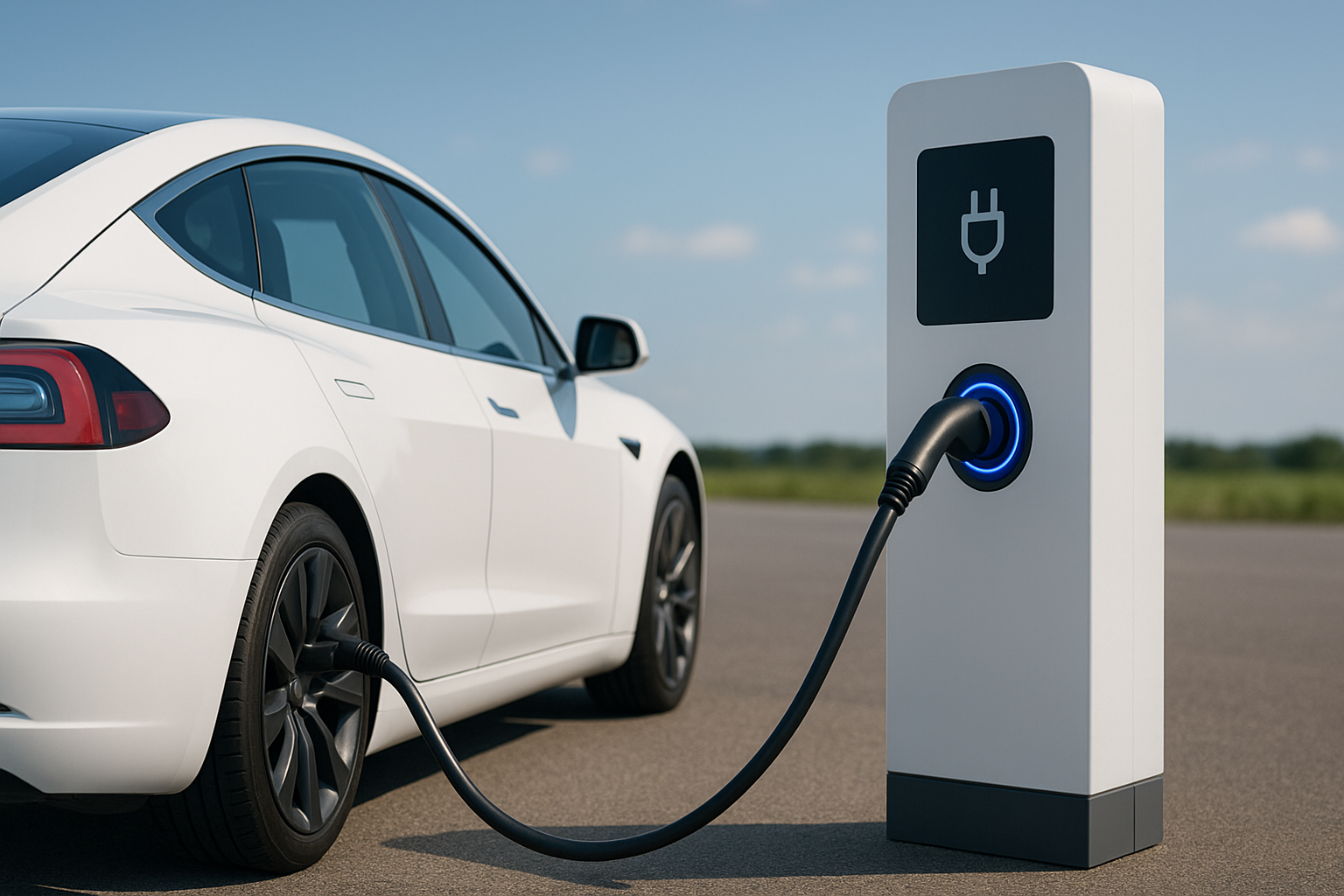
The Adecco Group report forecasting 40 million new jobs in the electric vehicle (EV) sector by 2030 and a roughly 45% salary premium has intensified debate about how fast labour markets must adapt. The findings underline the scale of workforce change as automakers, suppliers and service providers shift away from internal combustion engine production.
Overview
The Adecco Group report projects substantial employment growth tied to the EV transition, with the sector expected to absorb workers across manufacturing, battery production, charging infrastructure and software services. It also identifies a notable wage uplift relative to current automotive roles, driven by demand for new skills and scarcity in specialised talent.
The report frames this expansion against broader trends in electrification and clean transport, emphasising both opportunities and potential mismatches between available skills and employer needs. Workforce planning, training and labour mobility are highlighted as critical enablers for capturing projected gains.
Why This News Matters
The scale of the forecast — millions of jobs and a significant pay premium — matters to policymakers, companies and workers planning for the transition. Employment outcomes will influence public support for EV policies, the pace of clean technology adoption, and the economic case for investment in supply chains and infrastructure.
For workers, the numbers indicate both potential for higher earnings and the need for reskilling. For governments, the findings spotlight the urgency of aligning education, apprenticeship and regional industrial strategies with expected demand.
Industry Perspective
Automakers and suppliers are already shifting capital and production towards electrified products, creating demand for technicians, battery engineers, software developers and charging specialists. Companies face competition for talent as new entrants and incumbent manufacturers pursue the same skilled workers.
Recruitment and retention pressures may push firms to offer higher wages and invest in on-the-job training. The report’s estimate of a salary premium signals that compensation will be an important lever to attract workers into roles that did not exist at scale a decade ago.
Future Outlook
Realising the jobs and wage gains outlined in the report will depend on policy choices, investment in training, and the speed of EV adoption by consumers and fleets. Progress in battery supply chains, charging rollout and manufacturing localisation will shape where jobs appear and the kinds of skills in demand.
Risks include uneven geographic distribution of employment gains, potential short-term dislocations for workers in legacy automotive roles, and bottlenecks in training capacity. Coordinated action between industry, governments and educational institutions can mitigate these risks and support a smoother transition.
Key Highlights
- Job creation estimate: Adecco forecasts up to 40 million jobs linked to the EV sector by 2030.
- Wage premium: The report indicates an approximate 45% higher pay level for many EV-related roles versus legacy positions.
- Skills demand: Strong need for battery manufacturing, software, systems integration and charging infrastructure expertise.
- Policy implications: Training, mobility and industrial strategy will influence regional job outcomes.
- Industry action: Employers may increase wages and invest in training to compete for specialised talent.
Frequently Asked Questions
What does the Adecco report estimate about EV job growth?
The Adecco Group report projects that the electric vehicle industry could create around 40 million jobs by 2030, reflecting expansion across manufacturing, batteries, charging and services linked to electrification.
How much higher are salaries in EV roles according to the report?
The report indicates a salary premium of roughly 45% for EV-related roles compared with many legacy automotive positions, driven by higher demand for specialised skills.
Which types of jobs are most likely to grow in the EV transition?
Roles tied to battery production, cell manufacturing, power electronics, software development, vehicle integration and charging infrastructure are expected to see notable growth as the sector expands.
What are the main challenges to realising these job gains?
Key challenges include aligning training and education with industry needs, geographic imbalances in where jobs are created, and short-term dislocation for workers whose skills are tied to internal combustion technologies.
How should policymakers respond to this forecast?
Policymakers can support the transition through targeted training programmes, incentives for localised manufacturing and infrastructure investment, and policies that facilitate labour mobility and re‑skilling.
Will the shift to EVs reduce jobs in traditional automotive roles?
The transition is likely to change the composition of automotive employment, reducing demand for some legacy roles while increasing demand for new occupations; the net employment effect will depend on retraining, policy and the pace of industrial change.