News at Glance
- 300 GW milestone: The Press Information Bureau (PIB) announced that India has achieved 300 gigawatts of non-fossil fuel power capacity.
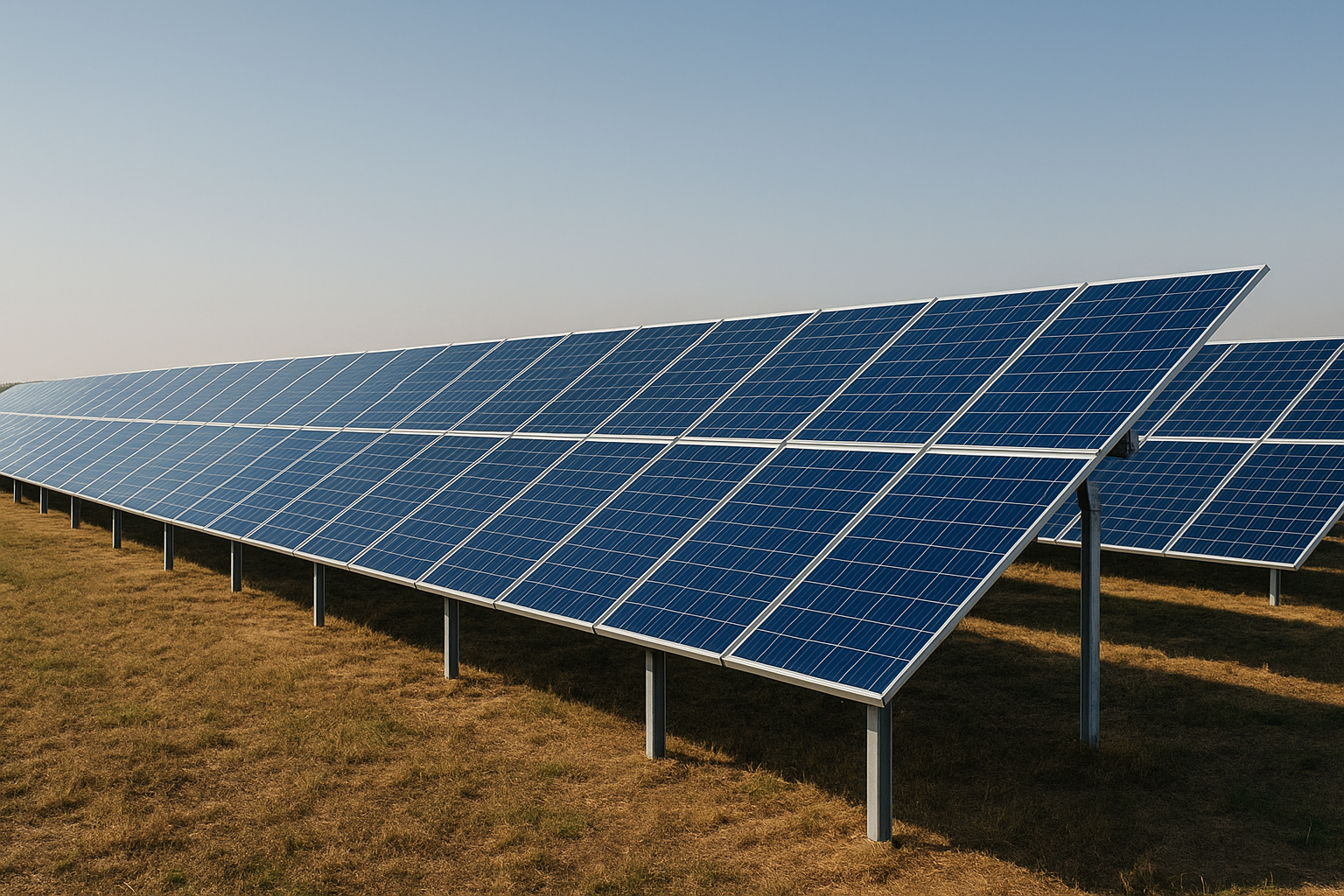
- Source mix: The milestone covers renewable generation and nuclear power, reflecting additions across solar, wind, hydro and atomic plants.
- Significance: The government framed the development as a step forward for decarbonisation, energy security and the scaling of low-carbon infrastructure.
Government announcement and context
The Press Information Bureau released a statement confirming that India’s installed capacity from non-fossil fuel sources has reached 300 GW. The announcement highlights cumulative additions across renewable technologies and nuclear power that together constitute the milestone.
Officials described the achievement as an outcome of ongoing capacity expansion in multiple clean-energy technologies. The PIB release presented the milestone as part of the government’s broader efforts to shift the power sector away from fossil fuels.
How capacity growth has been driven
Growth in non-fossil power capacity has been driven by increased deployment of utility-scale renewable projects, expansions of hydroelectric plants and ongoing development of nuclear capacity, according to the government statement.
Industry observers point to policy support, competitive procurement mechanisms, falling technology costs and improvements in transmission infrastructure as key enablers for recent capacity additions. These factors have encouraged both public and private investment in clean power projects.
Grid integration and operational challenges
While installed capacity has expanded, integrating variable generation presents operational challenges for grid managers. The system requires enhanced flexibility, improved forecasting, and investments in transmission to maintain reliability as the share of intermittent sources rises.
Energy storage, demand response measures and better regional coordination are among the technical responses industry and system operators are pursuing to manage variability and ensure supply security.
Implications for policy and markets
The milestone is likely to shape discussions on future planning, market design and procurement. A larger non-fossil fleet affects dispatch patterns, ancillary service needs and the economics of conventional generators that provide baseload and balancing services.
Stakeholders say continued policy clarity, financing mechanisms and incentives for grid-scale storage and flexible capacity will determine how effectively the power system accommodates further clean-energy growth.
Frequently Asked Questions
What counts as non-fossil fuel power capacity?
Answer: Non-fossil capacity generally includes electricity generation from renewables such as solar, wind and hydro, as well as nuclear power. The PIB announcement refers to these categories collectively.
Who announced the 300 GW milestone?
Answer: The milestone was reported in a statement issued by the Press Information Bureau of the Government of India.
Does this mean fossil fuel use in power generation has fallen by the same amount?
Answer: Installed non-fossil capacity and actual generation are different metrics. Capacity indicates available capability; actual fuel use depends on dispatch patterns, demand and system balancing, which are not detailed in the PIB statement.
Are rooftop and small-scale installations included?
Answer: The PIB release does not break down the announcement by project size. Typically, national capacity figures include both utility-scale and distributed sources where applicable, but exact composition was not specified in the statement.
What technical steps are needed to support more non-fossil generation?
Answer: Key measures include strengthening transmission networks, deploying energy storage, improving forecasting and market mechanisms for flexibility, and coordinating regional grid operations to handle variability.
How might this affect electricity prices or investment?
Answer: The effect on prices depends on many factors, including fuel costs, capacity mix, and market structures. Increased renewables can reduce marginal generation costs but also shift investment toward grid flexibility and balancing solutions.
Source
- Press Information Bureau: Official statement on the 300 GW non-fossil capacity milestone — https://www.pib.gov.in/PressReleasePage.aspx?PRID=2296782®=48&lang=1
- Ministry of New and Renewable Energy (MNRE): For background on renewable programmes and policies — https://mnre.gov.in