
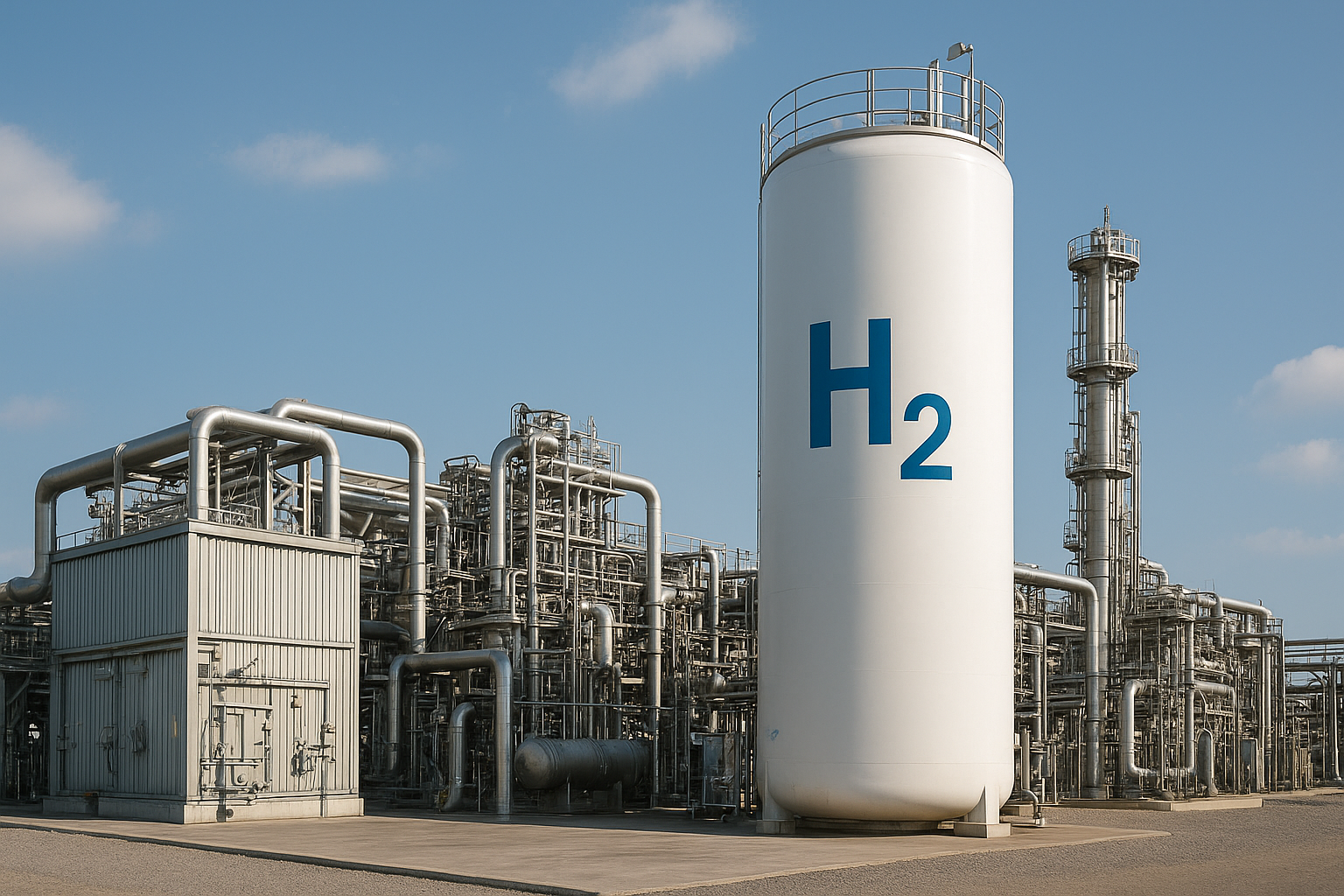
Indian oil companies plan to consume about 30,000 tonnes of green hydrogen a year for refining, a development that signals growing industrial demand for low-carbon fuels in one of the world’s largest energy markets. The move highlights how hydrogen produced from renewable electricity could be integrated into conventional fuel production to reduce the carbon intensity of refined products.
Overview
The announcement refers to green hydrogen, meaning hydrogen produced by electrolysis powered by renewable electricity rather than fossil fuels. In refining, hydrogen is used in processes such as hydrotreating and hydrocracking to remove sulphur and upgrade feedstocks.
Replacing conventional, fossil-derived hydrogen with green hydrogen can lower upstream emissions from refining. However, achieving this at scale requires substantial supplies of renewable electricity and electrolyser capacity.
Why This News Matters
Refining is a significant consumer of hydrogen globally, and decarbonising that hydrogen is a practical way to reduce emissions associated with liquid fuels. A commitment to 30,000 tonnes a year indicates industrial appetite for green molecules beyond pilot projects.
Large, predictable hydrogen demand from refining can help justify investments in electrolysers and renewable generation, potentially lowering unit costs over time. It can also set a precedent for other hard-to-abate industrial uses to follow suit.
Industry Perspective
For refiners, green hydrogen offers a route to cut scope 1 and scope 2 emissions tied to on-site hydrogen production. It can be supplied onsite, delivered by truck, or sourced via dedicated renewable power contracts and nearby electrolysis facilities.
Challenges remain: the cost gap between green and conventional hydrogen, grid constraints, and competition for renewable power from other sectors. Industry players will need supply agreements, electrolyser procurement, and potentially storage or blending strategies to manage intermittency.
Future Outlook
If refiners scale green hydrogen use, it could accelerate local manufacturing and deployment of electrolysers and stimulate long-term renewable power projects. Policy signals, incentives and green hydrogen certification will influence how quickly markets develop.
Broader uptake will depend on cost trajectories, availability of renewable electricity, and regulatory support for low-carbon industrial feedstocks. Integration with other decarbonisation measures—energy efficiency, carbon capture, and feedstock changes—will shape overall emissions reductions.
Key Highlights
- Planned demand: About 30,000 tonnes per year of green hydrogen earmarked for refining use.
- Decarbonisation route: Green hydrogen can reduce the carbon intensity of hydrotreating and hydrocracking processes.
- Industrial signal: Large-scale hydrogen demand could attract investment in electrolysers and renewables.
- Operational challenges: Requires reliable renewable power, electrolyser capacity and logistics for supply.
- Market implications: Could help develop domestic supply chains for electrolysers, storage and green hydrogen certification.
Frequently Asked Questions
What is green hydrogen?
Green hydrogen is hydrogen produced by electrolysis of water where the electricity input comes from renewable sources such as wind, solar or hydro. It has a much lower carbon footprint than hydrogen produced from fossil fuels.
Why do refineries need hydrogen?
Hydrogen is used in refining to remove sulphur and other impurities and to upgrade heavy feedstocks into lighter, higher-value fuels. It is essential to common processes like hydrotreating and hydrocracking.
How significant is 30,000 tonnes per year?
The figure indicates meaningful industrial demand but its full significance depends on how it compares with total hydrogen use in the sector and the pace of replacement of fossil-derived hydrogen. Specific comparative data was not provided, so broader context is needed to assess the share.
Can green hydrogen fully decarbonise refining?
Switching to green hydrogen can substantially cut emissions associated with hydrogen use, but full decarbonisation also depends on other factors such as refinery energy use, feedstock choices and downstream emissions. Complementary measures like energy efficiency and carbon capture may also be required.
What are the main barriers to scaling green hydrogen for refining?
Key barriers include the current cost gap with fossil-derived hydrogen, the need for large supplies of renewable electricity, electrolyser availability, and logistics for production and delivery. Policy frameworks and long-term offtake agreements can help mitigate these hurdles.
What impact could this demand have on the wider energy market?
Stable, large-scale demand from refiners could stimulate investments in electrolysers and renewables, support domestic manufacturing, and strengthen markets for green hydrogen certification. It may also influence electricity markets and grid planning as demand for dedicated renewable power grows.