
News at Glance
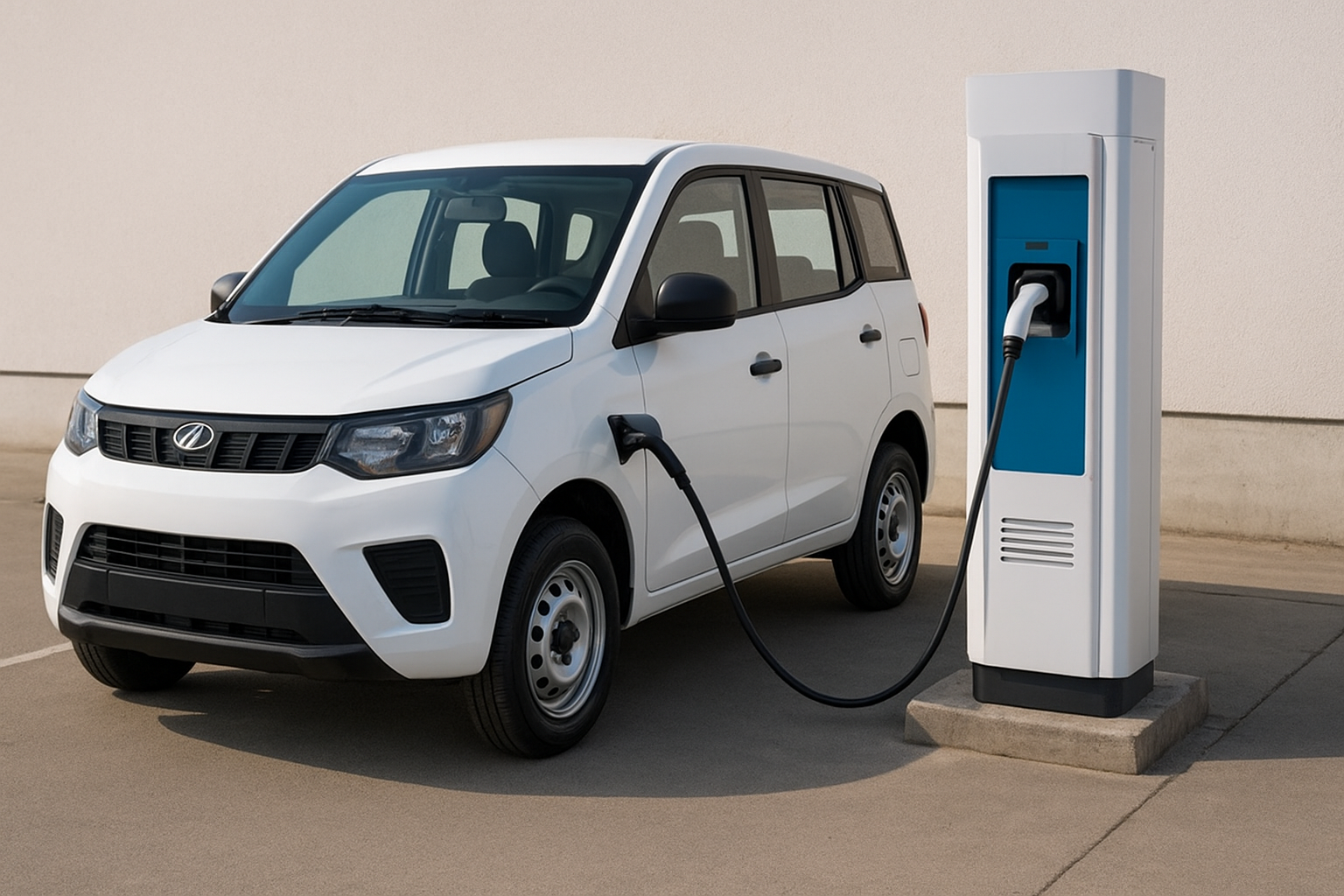
- Mahindra Last Mile Mobility Limited has sold over 4 lakh electric vehicles in India, the company reported.
- It is the first commercial vehicle manufacturer in India to reach the 4 lakh EV sales milestone.
- The milestone highlights accelerating fleet electrification in last-mile and light commercial segments across Indian cities and towns.
400,000 units signal a shift in India’s commercial EV market
Mahindra Last Mile Mobility Limited announced it has crossed the 4 lakh sales mark for electric vehicles in India, a milestone that positions the company as the first commercial vehicle manufacturer in the country to do so. The achievement underscores growing market acceptance of electric options among small businesses and fleet operators.
The sales span vehicles used in last-mile delivery, intra-city logistics and short-distance people movement, sectors that are central to urban mobility and e-commerce fulfilment. These segments have been a primary focus for electrification because of predictable routes and high utilisation rates.
Market observers say the milestone reflects wider forces shaping commercial EV adoption, including attention to operating economics, urban emissions targets and rising awareness of electric alternatives. Total cost of ownership calculations and operational convenience are increasingly influencing procurement decisions.
Scaling production to serve diverse geographies and maintaining robust aftersales support are essential for continued growth, particularly for commercial users who prioritise uptime. A reliable service and parts network can be a differentiator for manufacturers in this segment.
Key constraints remain, notably the need to expand accessible charging infrastructure and to strengthen grid readiness in some regions, which could affect deployment pace. Coordination among policymakers, utilities and private stakeholders will be important to remove these bottlenecks.
The milestone may prompt competitors and suppliers to accelerate product launches, partnerships and investments targeted at commercial fleets. Increased vehicle volumes also raise the importance of battery lifecycle strategies, including reuse and recycling, to ensure environmental benefits.
Overall, the development is a notable indicator of momentum in India’s transition to lower-emission transport in urban corridors, but sustained progress will depend on cost reductions, infrastructure build-out and supportive regulation.
FAQs
What milestone did Mahindra Last Mile Mobility achieve?
The company reported sales of more than 4 lakh electric vehicles in India, becoming the first commercial vehicle manufacturer in the country to reach this level.
Which market segments are represented in these sales?
The sales relate primarily to last-mile delivery, light commercial transport and short-distance passenger mobility where electrification is growing.
Why is this milestone significant for fleet electrification?
High sales volumes indicate rising acceptance by fleet operators and can lower costs through scale, supporting broader adoption across logistics and urban transport.
What infrastructure challenges remain?
Challenges include expanding public and depot charging, improving grid capacity in some areas, and developing standardised charging solutions for commercial fleets.
How might competitors react to this development?
Rivals may accelerate product roll-outs, partnerships and investments to capture a share of the growing commercial EV market.
What other considerations accompany higher EV sales?
Increased EV volumes heighten the need for battery recycling, second-life reuse and robust aftersales support to secure long-term sustainability benefits.