
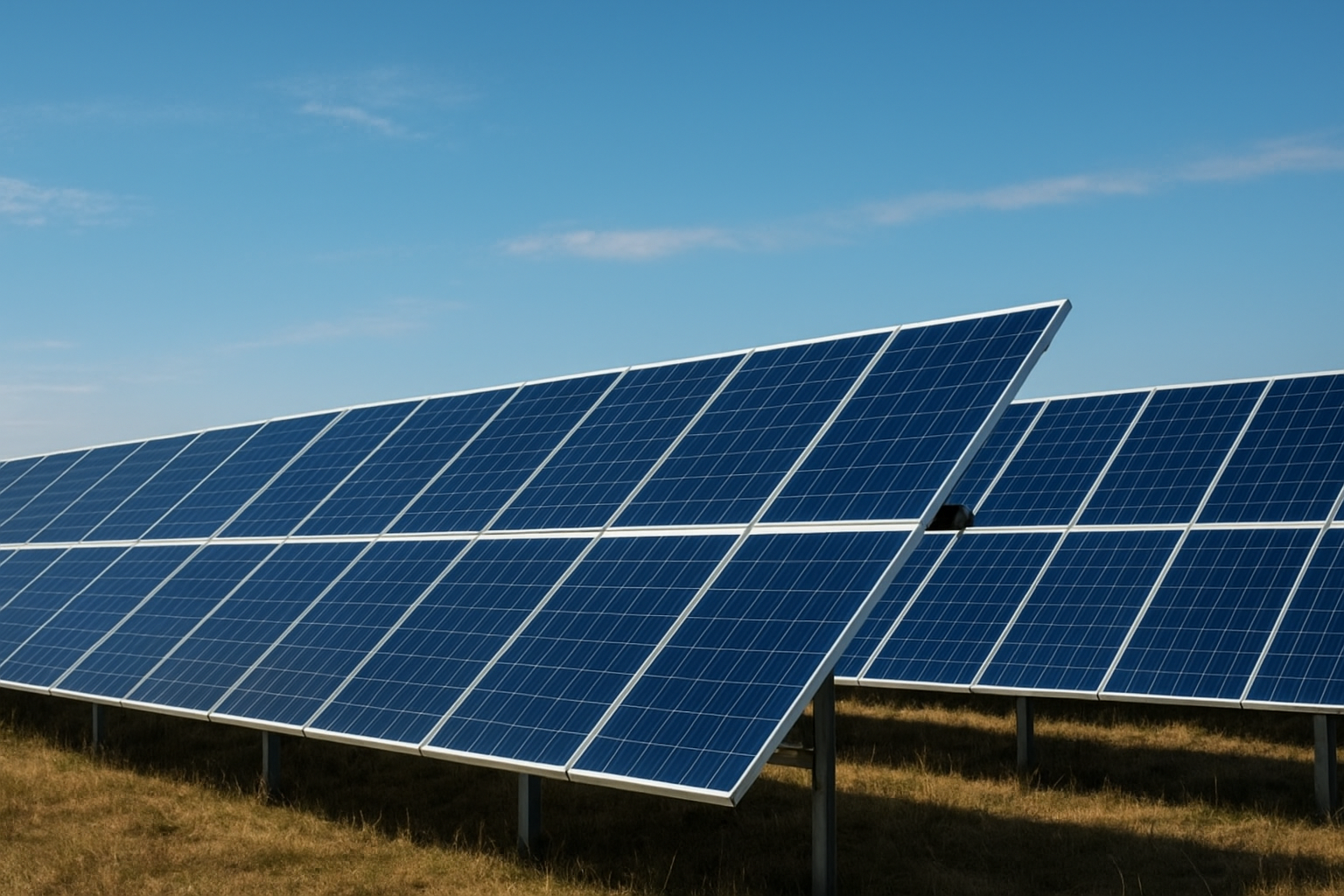
Here are the top 10 energy companies in North America, with their headquarters, core businesses, approximate market size (as of 2024), flagship assets or projects, and their stated future plans. North American energy companies span oil & gas, pipelines, utilities and renewable developers — and are central to the region’s shift toward lower-carbon energy systems. As governments and investors press for decarbonization, these firms are balancing continued energy supply with investments in renewables, carbon capture, hydrogen and grid modernization.
ExxonMobil
Founded: 1870s (via predecessors) — HQ: Irving, Texas, USA.
Overview: One of the world’s largest integrated oil and gas companies, active across upstream, downstream and chemical businesses.
Approx. market cap (2024): ~$400–500 billion.
Key assets/projects: U.S. Gulf of Mexico and Permian Basin production, global refining and chemicals network, large investments in carbon capture and storage (CCS) projects.
Future plans: Maintain upstream production while scaling low-carbon technologies — including major CCS projects, hydrogen pilots and investments in lower-emission fuels.
Chevron Corporation
Founded: 1879 — HQ: San Ramon, California, USA.
Overview: Integrated oil and gas major with global upstream operations and downstream/refining presence.
Approx. market cap (2024): ~$200–300 billion.
Key assets/projects: Significant Permian and Gulf production, global refining footprint, investments in geothermal, hydrogen and CCS.
Future plans: Target emissions reductions across operations, invest in low-carbon businesses (geothermal, hydrogen, carbon capture) while continuing conventional oil & gas development to meet demand.
NextEra Energy
Founded: 1925 (as Florida Power & Light predecessor) — HQ: Juno Beach, Florida, USA.
Overview: One of the largest utilities and the world’s biggest generator of wind and solar energy through its subsidiary NextEra Energy Resources.
Approx. market cap (2024): ~$130–180 billion.
Key assets/projects: Massive wind and solar fleet across North America, large battery storage deployments, regulated utility operations in Florida.
Future plans: Rapid expansion of renewables and storage, grid modernization, and decarbonization targets aligned with growing electrification.
Enbridge Inc.
Founded: 1949 — HQ: Calgary, Alberta, Canada.
Overview: Major midstream energy company focused on crude oil and liquids pipelines, natural gas transmission, and growing renewable power and utility investments.
Approx. market cap (2024): ~$60–90 billion.
Key assets/projects: Extensive pipeline network across Canada and the U.S., renewable power portfolio (wind, solar, storage), and gas utilities.
Future plans: Maintain midstream operations while expanding renewable generation and investing in emissions reductions for pipeline operations and methane mitigation.
ConocoPhillips
Founded: 1875 (through predecessors) — HQ: Houston, Texas, USA.
Overview: Large independent exploration and production company focused on oil, condensate and natural gas.
Approx. market cap (2024): ~$100–140 billion.
Key assets/projects: Major positions in the Permian Basin, Alaska’s North Slope, and global LNG-linked assets.
Future plans: Focus on high-return upstream development while pursuing operational emissions reductions, methane controls and select investments in lower-carbon energy solutions.
Suncor Energy
Founded: 1919 (as Petro-Canada lineage) — HQ: Calgary, Alberta, Canada.
Overview: Integrated energy company with leading Canadian oilsands operations, refining, and evolving investments in renewables and biofuels.
Approx. market cap (2024): ~$30–40 billion.
Key assets/projects: Alberta oilsands mining and upgrader facilities, refineries, and growing wind/solar and biofuel pilot projects.
Future plans: Improve oilsands emissions intensity, deploy carbon capture on major sites, and diversify into renewables and circular fuel solutions over the medium term.
TC Energy
Founded: 1951 (as TransCanada) — HQ: Calgary, Alberta, Canada.
Overview: Large North American pipeline and energy infrastructure company, operating natural gas and liquids pipelines and power generation.
Approx. market cap (2024): ~$30–50 billion.
Key assets/projects: Cross-continental pipeline systems, gas storage and power plants, and utility-scale infrastructure.
Future plans: Continue pipeline and midstream operations while exploring hydrogen-ready pipelines, CCS opportunities and investments to lower methane emissions.
EOG Resources
Founded: 1999 (spun out) — HQ: Houston, Texas, USA.
Overview: A leading independent oil and natural gas producer focused on shale and tight-oil basins.
Approx. market cap (2024): ~$40–80 billion.
Key assets/projects: Large acreage in the Permian, Eagle Ford and other U.S. basins; technology-driven drilling and completion programs.
Future plans: Maintain production discipline focused on cash returns, improve emissions intensity per barrel, and evaluate carbon mitigation technologies.
Duke Energy
Founded: 1904 — HQ: Charlotte, North Carolina, USA.
Overview: Major regulated utility serving the U.S. Southeast and Midwest, with generation from natural gas, nuclear, coal and growing renewables.
Approx. market cap (2024): ~$60–80 billion.
Key assets/projects: Regulated distribution and transmission networks, nuclear fleet, utility-scale solar and battery projects.
Future plans: Accelerate coal retirements, expand renewables and storage, modernize grids for electrification and resilience, and pursue emissions reductions in line with state and corporate targets.
Canadian Natural Resources Limited (CNRL)
Founded: 1973 — HQ: Calgary, Alberta, Canada.
Overview: One of Canada’s largest independent crude oil and natural gas producers, with oilsands, conventional and offshore assets.
Approx. market cap (2024): ~$40–60 billion.
Key assets/projects: Oilsands leases, heavy oil & bitumen operations, natural gas developments and international holdings.
Future plans: Optimize oilsands operations, deploy emissions-reduction measures (including CCS partnerships), and selectively invest in natural gas and lower-carbon opportunities.
Key takeaways
– The North American energy landscape is diverse: large integrated oil majors coexist with utilities and pipeline operators and pure-play producers.
– All big players are investing in lower-carbon technologies — renewables, storage, carbon capture and hydrogen — while continuing to meet current energy demand.
– Regulatory pressures, capital allocation trends and technological advances will shape each company’s pace of transition; utilities and renewables developers generally lead on clean-power deployment, while oil & gas companies are investing in mitigation and new businesses.
FAQs
1) Which company is the largest energy firm in North America?
By market capitalization and global scale, ExxonMobil and Chevron are typically the largest integrated energy companies headquartered in North America.
2) Are these companies moving into renewables?
Yes. Utilities like NextEra are already major renewable developers; many oil & gas firms (ExxonMobil, Chevron, ConocoPhillips, Suncor) are investing in carbon capture, hydrogen, biofuels and selective renewable projects.
3) How do pipeline companies fit into the energy transition?
Pipeline and midstream firms (Enbridge, TC Energy) remain vital for transporting liquids and gas. They’re also exploring repurposing assets for hydrogen and CO2 transport and investing in emissions reductions.
4) Will oil & gas companies disappear as renewables grow?
Not in the short to medium term; oil and gas remain central to global energy supply. However, business models are evolving with more capital directed toward low-carbon technologies and services.
5) How can investors track these companies’ progress on decarbonization?
Look at sustainability and investor presentations, emissions targets (scope 1–3), CAPEX splits for low-carbon projects, and independent ratings from agencies (e.g., CDP, S&P Corporate Sustainability) for transparency.
Sources (for further reading)
– International Energy Agency (IEA) — World Energy Outlook and sector reports: https://www.iea.org
– U.S. Energy Information Administration (EIA) — Company and industry profiles: https://www.eia.gov
– ExxonMobil Investor Relations: https://corporate.exxonmobil.com
– Chevron Investor Relations: https://www.chevron.com/investors
– NextEra Energy Investor Relations: https://www.nexteraenergy.com/investors
– Enbridge Investor Relations: https://www.enbridge.com/investors
– ConocoPhillips Investor Relations: https://www.conocophillips.com
– Company sustainability and investor reports (respective corporate websites)
This article summarizes the leading North American energy companies, their core operations, and how they are positioning for a lower-carbon future.