
News at Glance
- Fire and Rescue Department is considering formal safety guidance for home electric vehicle charging.
- Move responds to the growing adoption of residential EV chargers and concerns about fire and electrical risks.
- Guidance is expected to cover safe installation practices, equipment standards and emergency response considerations.
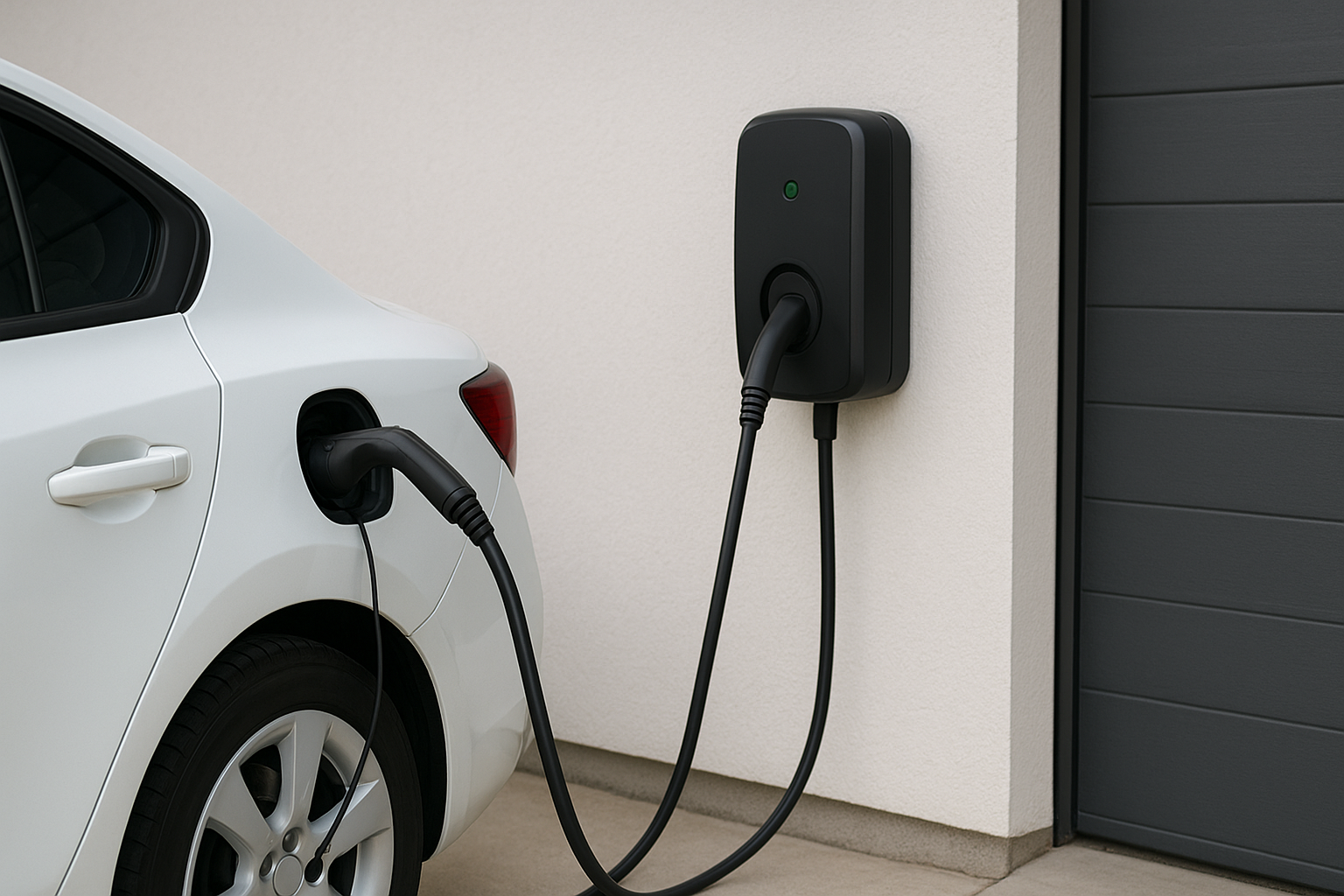
Malaysia’s Fire and Rescue Department has signalled it is exploring the development of safety guidelines for home electric vehicle (EV) charging as residential chargers become more common. The department’s interest reflects broader concerns about electrical safety and the potential for house fires linked to improper installations.
The proposed guidance would likely address common safety topics such as correct electrical load assessment, use of certified charging equipment, protective devices and safe wiring practices. Where specific details are not yet available, homeowners and installers are advised to follow existing electrical codes and manufacturers’ instructions.
Officials are expected to consult technical agencies, utility providers and industry stakeholders to shape practical recommendations and inspection routines. Training for emergency personnel on EV battery risks and incident management may also form part of a broader preparedness effort.
No nationwide mandate has been announced at this stage; the move appears to be precautionary and aimed at reducing risk while supporting the transition to electric mobility. In the absence of formal national rules, property owners, electricians and building managers should prioritise certified equipment and professional installation to mitigate hazards.
Frequently Asked Questions
Why are safety guidelines for home EV charging being considered?
Authorities are looking to manage fire and electrical risks that can arise from increasing numbers of residential EV chargers and to ensure consistent, safe installation practices.
What risks are associated with home EV charging?
Common risks include overloaded circuits, improper wiring, use of non‑certified chargers and reduced protection against electrical faults, any of which can increase fire risk.
Will homeowners need certified equipment?
Best practice is to use chargers and accessories that meet recognised standards and to have installations carried out by qualified electricians.
Could chargers require permits or inspections?
Local electrical codes or building rules may require permits or inspections; homeowners should check with local authorities and utilities for requirements.
How can homeowners reduce charging risks now?
Use certified chargers, avoid extension cords, check circuit capacity, install proper protective devices and engage licensed electricians for installation.
What role do emergency services play?
Fire and rescue agencies seek to update response protocols and training to safely manage EV incidents and to advise the public on prevention measures.