
News at Glance
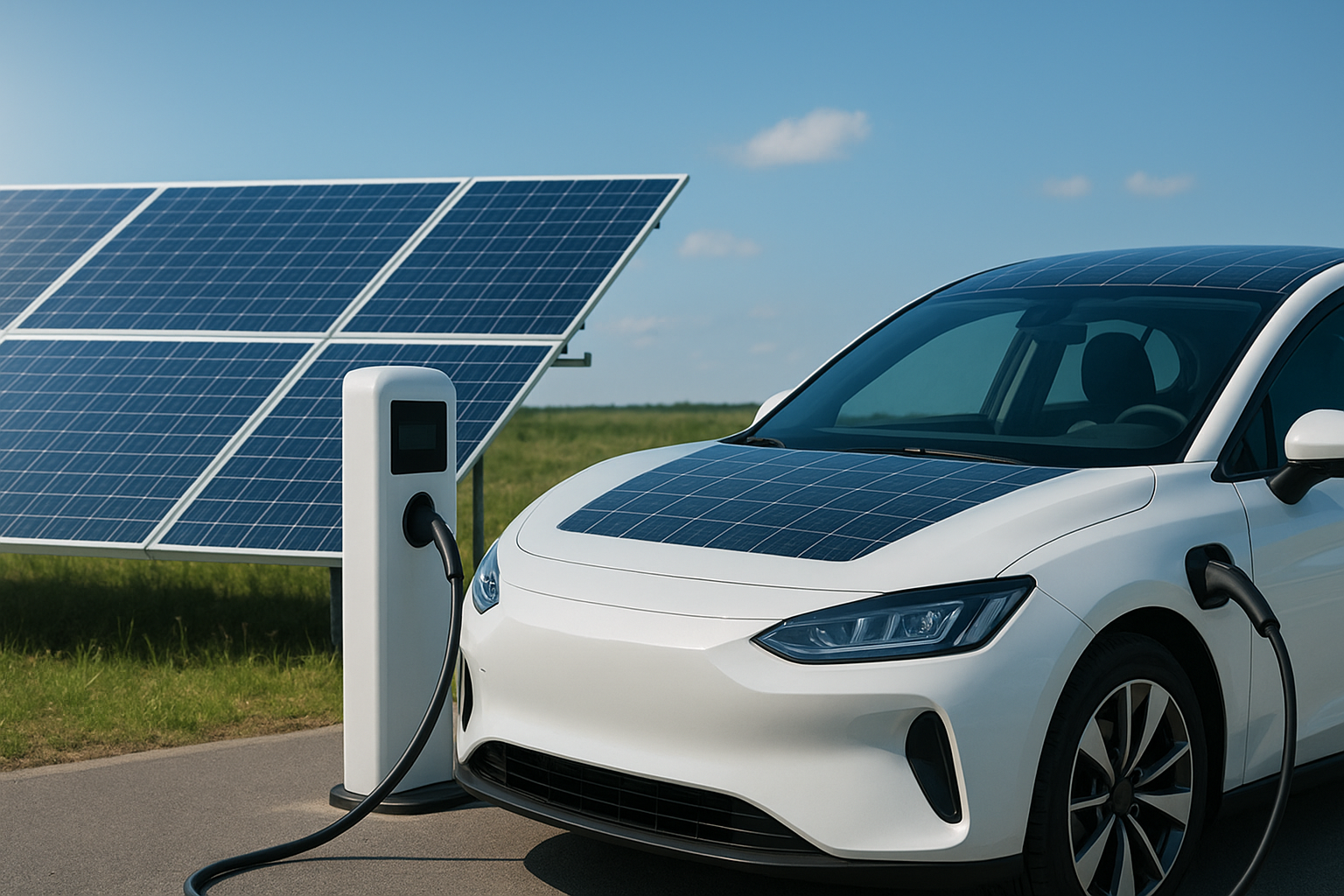
- Capgemini examines vehicle-mounted photovoltaics, fleet solutions and solar-charged infrastructure as complementary approaches to increase renewable energy use in mobility.
- Report highlights technical limits such as limited roof area, energy density and integration costs that currently constrain range and payload impact.
- Software, fleet-level optimisation and aligned policy are identified as key enablers to improve utilisation and economic viability.
Fleet and infrastructure approaches positioned as near-term enablers
Capgemini’s recent analysis frames solar-powered mobility as a multi-pathway opportunity rather than a single technical fix. The consultancy places emphasis on combinations of vehicle-integrated photovoltaics, depot-scale solar and smart charging management to raise renewable share in transport energy.
Vehicle-mounted PV can extend range or power auxiliary systems, but practical gains are constrained by available surface area and current photovoltaic efficiency. For many passenger vehicles, the incremental energy contributes to comfort and efficiency rather than replacing grid charging.
By contrast, fleet operations and commercial vehicles present more immediate potential because predictable routes and centralised depots allow for larger, dedicated PV installations. Integrated depot solar, paired with on-site storage and scheduling software, can lower operational costs and peak grid demand for fleets.
Capgemini also stresses the role of digital tools: energy management platforms can optimise when vehicles charge, when solar is dispatched and how batteries are cycled to balance lifetime and cost. These systems are critical to convert intermittent PV generation into reliable mobility services.
Regulatory and business-model barriers remain significant, including standards for vehicle-integrated solar, incentives for depot investment and accounting for distributed generation in tariffs. Policymakers and industry players will need coordinated frameworks to unlock scale.
FAQs
What can vehicle-integrated solar realistically power?
Solar on vehicles most often supports auxiliary loads such as climate control, infotainment and battery conditioning, and can modestly extend driving range under favourable conditions.
Why are fleets highlighted as promising adopters?
Fleets benefit from centralised charging, predictable duty cycles and the ability to install larger ground-mounted PV and storage systems at depots, improving utilisation and economics.
Do solar roofs eliminate the need for grid charging?
No. Current onboard PV generates limited energy relative to battery capacities; grid or depot charging remains necessary for most daily operations.
How does software improve solar mobility outcomes?
Energy management and scheduling software optimise charge timing, integrate solar output and manage battery health to reduce costs and increase renewable usage.
What policy actions could accelerate adoption?
Clear standards for vehicle-integrated PV, incentives for depot solar and tariffs that recognise behind-the-meter charging flexibility would help deployment.
Are there simple business models for solar-powered mobility?
Common approaches pair PV and storage at depots with charging-as-a-service or total-cost-of-ownership models that capture fuel and maintenance savings for operators.