News at Glance
- A council saved more than £7,000 in energy costs after installing solar panels, Energy Live News reported.
- On-site solar reduced the authority’s grid electricity purchases, lowering operational expenditure and exposure to price fluctuations.
- Municipal rooftop systems provide budget relief and emissions benefits while requiring routine maintenance and monitoring.
On-site generation cuts municipal energy bills and reliance on the grid
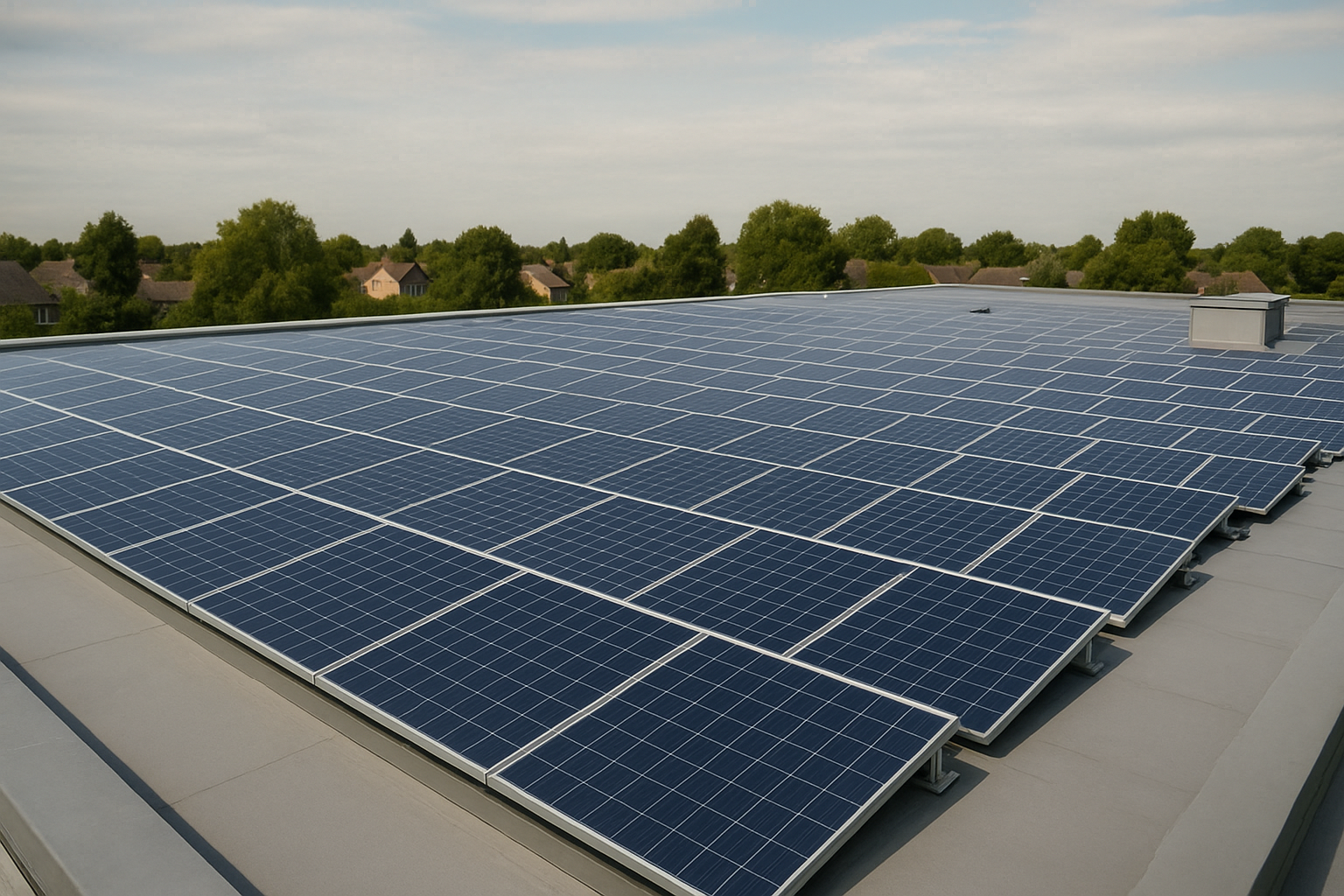
A council has reported saving in excess of £7,000 after fitting solar panels to municipal buildings, according to Energy Live News. The reported figure underscores how local authorities can use rooftop photovoltaic (PV) systems to lower running costs.
The savings arose from producing electricity on site, which reduces the amount of power the council must buy from the grid. That in turn eases pressure on operational budgets and can help smooth exposure to volatile wholesale prices.
While the precise installation size and locations were not specified in the report, typical municipal projects involve arrays on civic buildings, leisure centres or depot roofs. Systems are sized to match available roof area, local sunlight levels and the site’s electricity demand profile.
Municipal solar installations deliver multiple benefits beyond direct bill reductions. On-site generation cuts grid dependency and associated transmission losses, and when paired with energy efficiency measures, it can form a cost-effective element of local decarbonisation strategies.
Costs and payback periods vary by system size, local electricity tariffs and any available grant or financing arrangements. Councils commonly pursue a mix of capital funding, leases and energy performance contracts to manage upfront costs.
Maintenance and monitoring remain important to capture expected savings. Routine cleaning, inverter servicing and performance checks help ensure systems deliver projected output and financial returns over their operational life.
FAQs
What savings did the council report?
The council reported savings of more than £7,000 in energy costs after installing solar panels, as reported by Energy Live News.
How do rooftop solar systems reduce bills?
Rooftop solar generates electricity on site, lowering the volume of power purchased from the grid and reducing exposure to retail electricity prices.
Do solar panels cut emissions?
Yes. By replacing grid electricity with on-site renewable generation, solar panels reduce carbon emissions associated with a council’s electricity use.
How long do solar panels last?
Solar panels commonly have operational lifetimes of 20–30 years, while inverters and other components may require earlier replacement or servicing.
How are municipal solar projects funded?
Councils fund projects using capital budgets, grants, leases, or third-party financing such as energy performance contracts; arrangements vary by authority.
What maintenance is required?
Routine tasks include inverter checks, periodic cleaning and performance monitoring to ensure systems operate at expected efficiency and deliver savings.